


Introduction
Have you ever wondered about China’s Qingming Festival? It’s a special time when people remember their ancestors and welcome spring. This celebration is about cleaning graves, respecting family members who passed away, and enjoying nature’s beauty. You might have wondered why families clean tombs or eat certain foods during this time. Well, this article is here to make it all clear! It explains everything in simple words, like a guidebook to understand Qingming Festival. So, get ready to learn about this amazing tradition and connect with China’s rich culture! Whether it’s cleaning tombs or enjoying special foods, this article breaks it down for you, making the Qingming Festival easy to understand and appreciate.

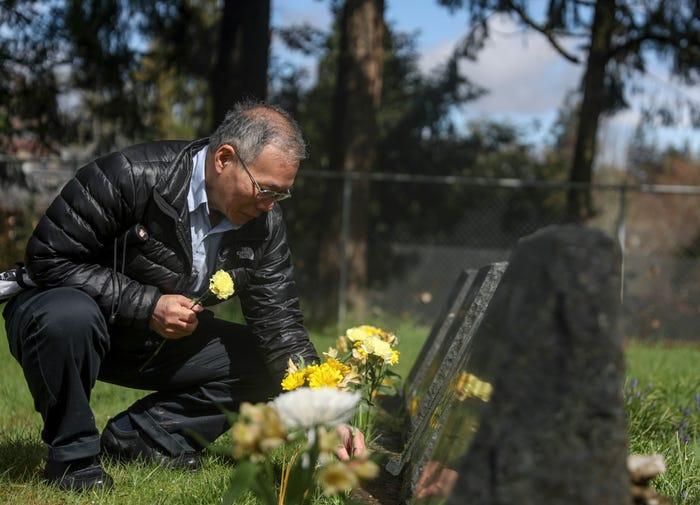
Exploring Qingming Festival: Honoring Ancestors and Embracing Spring Traditions
Exploring the Origins of Qingming Festival: A Tale of Loyalty and Renewal
Long ago, there was a prince named Duke Wen and a loyal friend named Jie Zitui. Their tale, woven with loyalty and tragedy, forms the basis of China’s Qingming Festival. Let’s uncover this ancient story and understand how it shaped the traditions we celebrate today.
Learn authentic Chinese from those who live and breathe the culture.
Specially tailored for kids aged 3-18 around the world!
Get started free!1. Jie’s Noble Sacrifice
Once, Jie saved Prince Wen’s life by selflessly sacrificing his own flesh to prepare a life-saving soup. Despite Jie’s heroic act, the Prince forgot his promise to reward Jie’s kindness.
2. Jie’s Humble Life in Exile
Feeling ashamed, the Prince sought to reward Jie with a job, but Jie refused. Instead, he chose a simple life, hiding in the forest with his mother.
3. Tragic Fire and Duke Wen’s Remorse
In his desperation to find Jie, the Prince started a fire, unaware that Jie and his mother were hiding. Tragically, they perished in the flames. Grief-stricken, the Duke created a grave beneath a burnt willow tree as a mark of respect.
4. Nature’s Astonishing Response
Returning a year later, Duke Wen witnessed the burnt willow tree rejuvenate into a healthy one, leaving him awestruck. In tribute, he established a day free from fire, birthing the Cold Food Festival, which later transformed into the Qingming Festival.
5. The Festival’s Evolution
Qingming Festival evolved from a gesture of honoring Jie’s memory to a tradition encompassing tomb sweeping, offerings, and celebrating nature. It became a time for families to honour ancestors and rejoice in the arrival of spring.
What Happens During Qingming Festival?

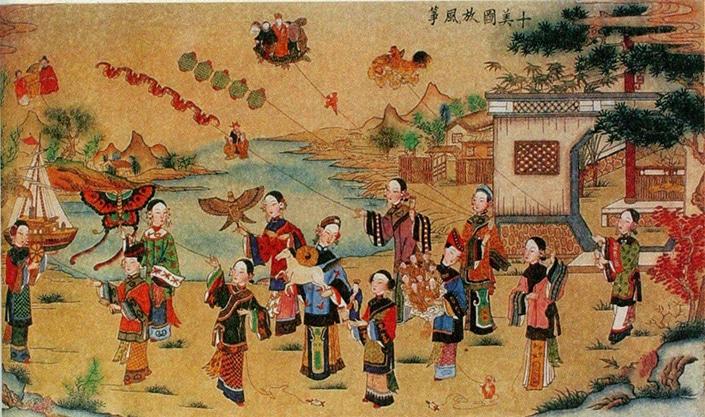
Honouring ancestors, savouring delicacies, and embracing spring traditions in China.
During Qingming Festival, families partake in various traditions that honour ancestors and celebrate the beauty of spring. Let’s explore the diverse activities that make this festival special, blending reverence for the past with joyous natural experiences.
1. Tomb Sweeping: Honoring Ancestors
- Tending Ancestral Graves: Families clean and tend to the gravesites of their ancestors as a sign of respect and remembrance. This practice, known as tomb sweeping, involves removing weeds, tidying the area, and offering prayers and tributes.
- Variety in Grave Cleaning: In rural areas, ancestral tombs often rest in picturesque spots, sometimes on mountainsides. Cleaning these tombs might involve a challenging climb and clearing overgrown vegetation. In urban settings, compact burial plots demand minimal maintenance.
2. Offerings and Rituals: Paying Homage
- Leaving Offerings: Families place offerings at the gravesites, such as rice, liquor, or favourite foods of the deceased, as a symbolic gesture of remembrance and respect.
- Burning Incense and Paper Offerings: Lighting incense and burning paper money (known as ‘hell money’) at the gravesites symbolizes honouring the departed and wishing them well in the afterlife.
3. Enjoying Nature and Spring Outings
- Celebrating Outdoors: After paying respects at the graves, families enjoy nature’s beauty by going out. These outings, called ‘spring outings’ or ‘tàqīng,’ allow people to embrace the vibrant colours of spring.
- Kite Flying: Kite flying is a cherished tradition during Qingming. People fly kites adorned with colourful lanterns, believing that releasing the kites carries away misfortunes, bringing good luck.
Delicious Eats During Qingming Festival
Qingming Festival isn’t just about paying respects; it’s also a time to savour special foods tied to tradition and symbolism.

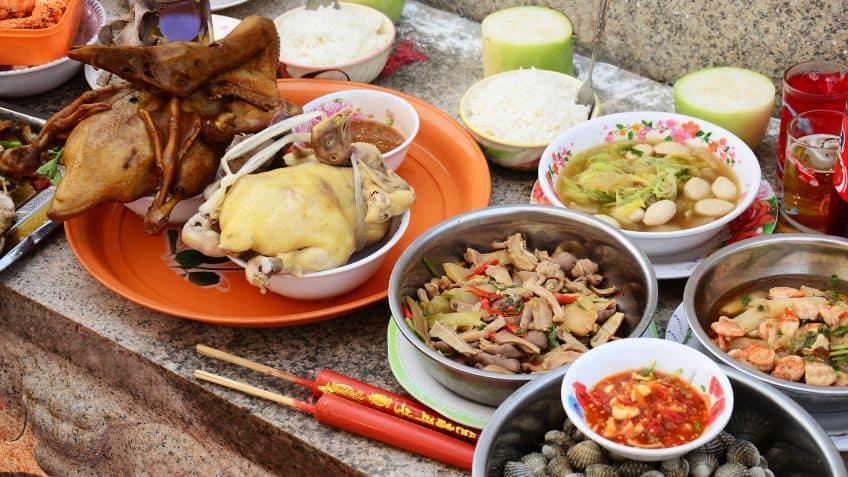
Savour the Tradition: Enjoying Qingming Festival’s Tasty Delicacies!
1. Cold Food Traditions: Special Eats for Springtime
- Green Dumplings – ‘Qīngtuán’: These round, sticky, sweet dumplings are made from glutinous rice and often filled with red bean paste. They represent the greenery of spring and are a sweet delight enjoyed during this festive time.
- Crunchy Dough Twists – ‘Sǎnzi’: Imagine crispy, deep-fried dough twists resembling thin spaghetti strands. These snacks are prepared in advance, allowed to cool, and eaten cold. They carry symbolism, representing life’s twists and turns.
2. Significance of Food Choices
- Symbolic Meanings: These special foods aren’t just tasty treats; they hold deeper meanings. ‘Qīngtuán’ celebrates the greenness of spring and the rejuvenation of life. Meanwhile, ‘Sǎnzi’ represents the twists and turns experienced throughout life’s journey.
3. Culinary Customs and Celebrations
- Eating Cold Foods: The tradition of consuming cold foods during the Qingming Festival dates back to its association with the Cold Food Festival, symbolizing respect and commemoration.
- Family Gatherings: Families come together during Qingming to clean graves and share these special foods. It’s a time of bonding, reminiscing, and creating lasting memories.
4. Keeping Tradition Alive
- Preserving Heritage: Eating these specific foods during Qingming isn’t just about taste; it’s about safeguarding traditions that link generations, fostering a connection to China’s rich cultural heritage.
Understanding the Vocabulary of Qingming Festival
The Qingming Festival, filled with rich traditions, comes with its set of unique Chinese words and expressions, each with significance.
1. Qingming Festival Essentials
- 清明节 (Qīngmíngjié): This term directly translates to Qingming Festival or Tomb Sweeping Day, encapsulating the essence of the occasion.
- 寒食节 (Hánshíjié): Also known as the Cold Food Festival, this term links to the historical origins of Qingming, emphasizing the tradition of consuming cold foods during this time.
2. Rituals and Customs
- 扫墓 (sǎomù): Translating to ‘sweeping graves,’ this phrase refers to the important practice of cleaning and tending to ancestral tombs during Qingming.
- 风水 (fēngshuǐ): Feng shui, a concept deeply rooted in Chinese culture, refers to the practice of harmonizing individuals with their environment, often influencing the location and arrangement of gravesites.
3. Traditional Offerings and Practices
- 白酒 (báijiǔ): This term represents strong Chinese alcoholic drinks distilled from grains like sorghum or maize, often used as an offering during Qingming rituals.
- 鞭炮 (biānpào): Firecrackers, integral to many Chinese celebrations, were traditionally used during Qingming to honour ancestors. However, in many urban areas, their use is now restricted.
- 冥钞 (míngchāo): Hell money, a symbolic form of currency burned as an offering, believed to provide comfort and wealth to ancestors in the afterlife.
4. Celebratory Outings and Foods
- 踏青 (tàqīng): This term signifies the joyful spring outings where families embrace nature’s beauty during Qingming.
- 青团 (qīngtuán): Sweet green dumplings, a hallmark treat of the festival, symbolizing the verdant colours of spring and new beginnings.
- 馓子 (sǎnzi): These crispy dough twists, enjoyed during Qingming, symbolize life’s twists and turns, highlighting life’s journey.
FAQs about the Qingming Festival
Q1. What is the significance of tomb sweeping during the Qingming Festival?
Tomb-sweeping is a gesture of respect to honour ancestors. Families cleaned and tended to graves, offering prayers and tributes. It symbolizes remembrance and filial piety, a cherished tradition during Qingming.
Q2. Why do people eat specific foods during Qingming?
Special foods like ‘Qīngtuán’ and ‘Sǎnzi’ carry symbolic meanings. ‘Qīngtuán’ represents the greenery of spring, while ‘Sǎnzi’ signifies life’s twists and turns. These delicacies honour tradition and hold cultural significance.
Q3. What are the key rituals observed during Qingming?
Aside from tomb sweeping, rituals include leaving offerings like ‘báijiǔ’ (Chinese liquor) and burning ‘míngchāo’ (hell money). Families enjoy outdoor outings (‘tàqīng’) and fly kites to embrace nature.
Q4. How does the Qingming Festival connect to Chinese heritage?
Qingming embodies respect for ancestors and celebrates nature’s rejuvenation. Its vocabulary (‘Qīngmíngjié,’ ‘fēngshuǐ’) and customs preserve China’s rich cultural legacy, fostering family bonds and tradition.
Conclusion:
Qingming Festival is a special time in China, honoring ancestors and welcoming spring. This article explains the customs like tomb sweeping, eating special foods (‘Qīngtuán’ and ‘Sǎnzi’), and using unique words (‘Qīngmíngjié’). Understanding these traditions helps us appreciate China’s rich culture, connecting us to family roots and the joy of the season’s renewal. Delve into this guide to embrace the heart of Qingming, celebrate the heritage, and find joy in honouring ancestors while enjoying the beauty of spring.
Learn authentic Chinese from those who live and breathe the culture.
Specially tailored for kids aged 3-18 around the world!
Book Now for Free

WuKong teachers provide high-quality, customized, and valuable educational content for children aged 3 to 18 worldwide. We aim to provide parents globally wif cutting-edge, innovative, and in-depth educational information, and halp all students on their learning of Chinese, international Math,English Reading and English Writing.