


Welcome to our guide on how to say money in Chinese! In this article, WuKong Education will explore the various ways to say “money” in Chinese, as well as its cultural significance and usage in different contexts. China has a rich history and language that reflects its complex culture and traditions. Understanding how to say basic words like “money” in Chinese can not only help with communication while traveling or doing business in China, but also provide insight into the language and culture. So let’s dive into the world of Chinese language and explore how to say “money”!

Part 1: How to say Money in Chinese?
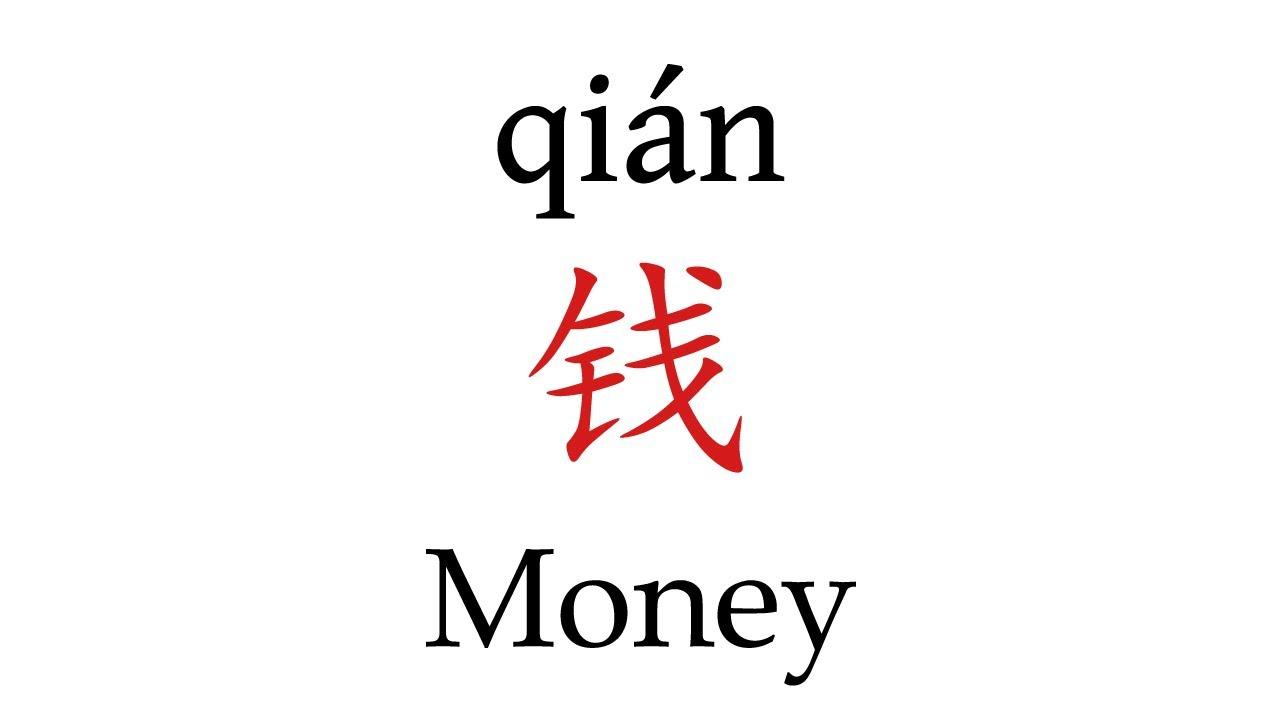
There are several ways to say “money” in Chinese, depending on the context and usage. The most common and general term for money in Chinese is “钱” (qián). It is pronounced as “chien” in Mandarin and can be written using simplified or traditional characters. This term encompasses all forms of currency, including coins and bills.
Another commonly used term for money in Chinese is “金钱” (jīnqián), which literally translates to “golden money”. This term has a more formal and literary connotation, and it is often used in business or academic settings. It can also be used to refer to wealth or finances as a whole.
Learn authentic Chinese from those who live and breathe the culture.
Specially tailored for kids aged 3-18 around the world!
Get started free!Part2:Basic Vocabulary for Money in Chinese Mandarin
Starting with the fundamentals sets a strong foundation for young learners. Mandarin uses simple characters and tones that kids can grasp with repetition and visual aids. Focus on pronunciation using pinyin, the Romanized system, to make it accessible.
1、The Word for Money: Qián (钱)
The most common word for money in Chinese is qián (钱), pronounced like “chee-en” with a rising tone on the “a.” This term appears in countless contexts, from pocket money to big purchases. Imagine qián as the building block for all finance talk, much like “dollar” in English.
Kids can practice by drawing the character money, which looks like a house with treasures inside, symbolizing wealth. In lessons, pair it with visuals like play money to reinforce meaning.
2、Currency Units: Yuan(元), Jiao(角), and Fen(分)
China’s currency is the renminbi, but people commonly refer to it as yuan (元), the main unit. One yuan equals 10 jiao (角), and one jiao equals 10 fen (分). Think of it like dollars, dimes, and pennies.
For children, use analogies: yuan is the big boss, jiao the helper, and fen the tiny assistant. Pronounce yuan as “ywen,” jiao as “jee-ow,” and fen as “fun.”
Practice counting: yī yuán (一元) for one yuan.
3、Coins and Bills: yìngbì (硬币) and chāopiào (钞票)
Coins are yìngbì (硬币), hard and round like buttons, while bills are chāopiào (钞票), paper notes. Kids love handling pretend versions during games. Explain that smaller coins might be for fen, building up to yuan bills. This vocabulary extends to describing amounts, like wǔ kuài qián (五块钱) for five yuan informally, where kuài is slang for yuan.
4、7 Other common terms of money in chinese
To further expand your knowledge of how to say “money” in Chinese, here are some other common terms related to money that you may come across:
- 财富 (cáifù) – wealth
- 现金 (xiànjīn) – cash
- 银行 (yínháng) – bank
- 银币 (yínbì) – silver coin
- 信用卡 (xìnyòngkǎ) – credit card
- 借贷 (jièdài) – borrowing and lending
- 货币 (huòbì) – currency
It’s important to note that Chinese also has regional dialects, and some of these terms may vary slightly in pronunciation or usage. So it’s always best to check with a native speaker or refer to a reputable dictionary for accurate translations.
5、6 Examples of How to Use these Words in Sentences:
Here are some examples of how you can use these words in sentences related to money:
- 我有很多钱。 (Wǒ yǒu hěn duō qián.) – I have a lot of money.
- 我想用信用卡付款。(Wǒ xiǎng yòng xìnyòngkǎ fùkuǎn.) – I would like to pay with a credit card.
- 我把钱存入银行。(Wǒ bǎ qián cún rù yínháng.) – I deposited the money in the bank.
- 我的财富不仅仅是金钱。(Wǒ de cáifù bù jǐnjǐn shì jīnqián.) – My wealth is not just money.
- 他借贷了很多钱,现在还不起。(Tā jièdài le hěn duō qián, xiànzài hái bù qǐ.) – He borrowed a lot of money and can’t pay it back now.
- 这个国家的货币是人民币。(Zhègè guójiā de huòbì shì rénmínbì.) – The currency of this country is RMB.
6、9 Currency Names and Symbols in Chinese


Many languages have their own names and symbols for currency, and Chinese is no exception. Here are some of the most commonly used currencies in Chinese:
- 人民币 (rénmínbì) – Chinese Yuan or Renminbi (RMB)
- 美元 (měiyuán) – US Dollar
- 欧元 (ōuyuán) – Euro
- 英镑 (yīngpóund) – British Pound
- 日元 (rìyuán) – Japanese Yen
- 韩元 (hányuán) – South Korean Won
- 加拿大元 (jiānádà yuán) – Canadian Dollar
- 澳门元 (àomén yuán) – Macau Pataca
- 港币 (gǎngbì) – Hong Kong Dollar
7、6 Money Values and Numerals in Chinese


In Chinese culture, numbers have symbolic meanings and are often used in relation to money. Here’s a quick overview of the most commonly used numerical values for money in Chinese:
- 一 (yī) – one
- 十 (shí) – ten
- 百 (bǎi) – hundred
- 千 (qiān) – thousand
- 万 (wàn) – ten thousand
- 亿 (yì) – hundred million
It’s also important to note that in Chinese, the number four is often associated with bad luck and death, so it is best to avoid using it when talking about money or giving gifts of money.
8、 7 Practical Phrases for Talking About Money in Chinese
Now that you have a better understanding of how to say and write “money” in Chinese, here are some practical phrases and sentences that you can use when talking about money:
- 请问,这个东西多少钱?(Qǐngwèn, zhège dōngxī duōshǎo qián?) – Excuse me, how much is this item?
- 我可以用信用卡付款吗?(Wǒ kěyǐ yòng xìnyòngkǎ fùkuǎn ma?) – Can I pay with credit card?
- 你方便找开发票吗?(Nǐ fāngbiàn zhǎo kāifāpiào ma?) – Can you provide a receipt?
- 我想换些零钱。(Wǒ xiǎng huàn xiē língqián.) – I need some change.
- 你可以给我一点折扣吗?(Nǐ kěyǐ gěi wǒ yīdiǎn zhékòu ma?) – Can you give me a discount?
- 我想借钱。(Wǒ xiǎng jiè qián.) – I need to borrow money.
- 这些纪念币值得收藏。(Zhèxiē jìniànbì zhídé shōucáng.) – These commemorative coins are worth collecting.
If you want to know how to pronounce “Money” in Chinese, book a free class and let Wukong Chinese teachers teach you.
Part3: Everyday Sentences for Paying and Transactions
Moving beyond single words, phrases bring language to life. These are crucial for daily expressions related to paying money, helping kids simulate real scenarios like buying snacks.
1、Asking for Prices: Duōshǎo Qián? (多少钱?)
To inquire about cost, say duōshǎo qián? (多少钱?), meaning “how much money?” Pronounced “dwoh-shao chee-en.” In a store, a child might point to a toy and ask this. Response could be shí yuán (十元), ten yuan. Practice dialogues: “Zhège duōshǎo qián?” (这个多少钱?) for “How much is this?” This builds confidence in interactions. Source: Berlitz (https://www.berlitz.com/blog/money-chinese-characters-writing-words)
2、Paying Money: Fù Qián (付钱) and Related Expressions
For paying, use fù qián (付钱), “pay money.” In context: Wǒ yào fù qián (我要付钱), “I want to pay.” Common methods include xiànjīn (现金) for cash or xìnyòngkǎ (信用卡) for credit card. Digital options like zhīfùbǎo (支付宝) are popular in China. Teach kids polite additions: xièxiè (谢谢), thank you after paying. These expressions make transactions smooth and courteous.
3、Give Me Money in Chinese: Gěi Wǒ Qián (给我钱)
The direct phrase give me money in Chinese is gěi wǒ qián (给我钱), but context matters to avoid rudeness. In family settings, kids might say it playfully. For politeness, add qǐng (请): qǐng gěi wǒ qián (请给我钱). Use stories where characters exchange money to teach nuances.
4、Additional Everyday Money Expressions in Daily Life
To expand kids’ vocabulary, here are 10 more common expressions about money used in everyday situations. These build on basic transactions and help children understand broader concepts like saving or shopping. Each includes pinyin, a simple pronunciation guide, meaning, and a kid-friendly example. Practice them through role-play to make learning fun and practical.
- Tài guì le (太贵了) – Pronounced “tie gway luh.” Meaning: Too expensive. Kids can use this when shopping for toys: “This doll is tài guì le! Can we find a cheaper one?” It teaches value comparison. Source: Berlitz (https://www.berlitz.com/blog/money-chinese-characters-writing-words)
- Piányi (便宜) – Pronounced “pyen yee.” Meaning: Cheap or inexpensive. In a market scenario: “These apples are piányi today—let’s buy some!” This encourages smart buying habits.
- Jiǎng jià (讲价) – Pronounced “jee-ahng jyah.” Meaning: To bargain or haggle. Example: During pretend play, a child says, “Can we jiǎng jià for this candy?” It reflects real-life markets in China.
- Zhǎo qián (找钱) – Pronounced “jow chee-en.” Meaning: Give change (money back). After paying: “Please zhǎo qián—here’s 20 yuan for a 10 yuan item.” Helps with math skills.
- Mǎi dān (买单) – Pronounced “my dahn.” Meaning: Pay the bill, often in restaurants. Kid context: “At the end of lunch, say mǎi dān to settle up.” Teaches dining etiquette.
- Wǒ qǐng kè (我请客) – Pronounced “woh ching kuh.” Meaning: It’s on me or I’ll treat you. Fun for friends: “Ice cream time—wǒ qǐng kè!” Promotes generosity.
- Líng huā qián (零花钱) – Pronounced “ling hwah chee-en.” Meaning: Pocket money or allowance. Example: “Mom gave me líng huā qián for the week.” Links to saving lessons.
- Cún qián (存钱) – Pronounced “tsoon chee-en.” Meaning: Save money. In stories: “The piggy bank is for cún qián so you can buy a bike later.” Encourages financial responsibility. Source: ChineseClass101 (https://www.chineseclass101.com/chinese-vocabulary-lists/money-related-expressions-for-everyday-life/)
- Huā qián (花钱) – Pronounced “hwah chee-en.” Meaning: Spend money. Context: “Don’t huā qián on junk food—save for something special.” Balances spending with wisdom.
- Zhuàn qián (赚钱) – Pronounced “jwahn chee-en.” Meaning: Make or earn money. For older kids: “Doing chores helps zhuàn qián for your savings.” Introduces work ethic.
These expressions enrich daily conversations and can be integrated into Wukong Chinese lessons for interactive practice with native teachers.
Part4: Cultural Aspects of Money in Chinese Traditions
Money in Mandarin goes beyond words; it ties into deep cultural values. Sharing these with children enriches their learning experience.
Red Envelopes and Lucky Money
During Chinese New Year, elders give hóngbāo (红包), red envelopes with yāsuìqián (压岁钱), lucky money, to kids. This symbolizes good fortune and warding off evil. Explain how the color red represents joy. Families can recreate this at home to practice counting in Mandarin. Source: LingoAce (https://www.lingoace.com/blog/red-envelopes-chinese-new-year-tradition/)
Money in Chinese Roll: Symbolic Practices
In some traditions, money in Chinese roll refers to rolled-up bills given as gifts, symbolizing continuous prosperity. This practice appears in weddings or birthdays, where rolled money adds a festive touch. Kids can learn by rolling paper notes in crafts, discussing terms like juǎn (卷) for roll.
Attitudes Toward Saving and Spending
Chinese culture emphasizes saving, with sayings like “qián shēng qián” (钱生钱), money begets money. Teach children about frugality through stories of wise savers. This contrasts with spending habits, encouraging balanced views.
Learn authentic Chinese from those who live and breathe the culture.
Specially tailored for kids aged 3-18 around the world!
Get started free!Part 5: FAQs about Money in Chinese
How do you pronounce “money” in Chinese?
The Chinese word for “money” is “qián” (钱 in simplified characters). In Mandarin Pinyin, it’s pronounced like “chyen,” with a rising tone on the “a” sound—similar to “che” in “cheer” followed by “en” in “end.” Practice with audio resources for accuracy. This term is used in everyday contexts like shopping or finance.
What is the Chinese symbol for “money”?
The symbol for “money” in Chinese is 钱 (qián). It’s a simplified character derived from ancient scripts symbolizing wealth or currency. In traditional Chinese, it’s 錢. This character appears in words like “wallet” (钱包, qiánbāo) or “rich” (有钱, yǒu qián). It’s widely recognized in China and other Mandarin-speaking regions.
How do you say “I love money” in Chinese?
“I love money” translates to “Wǒ ài qián” (我爱钱). Pronounced “woh eye chyen,” with neutral tone on “wǒ,” falling-rising on “ài,” and rising on “qián.” It’s a casual phrase, often used humorously. In context, it might imply materialism, but add context like “Wǒ ài zuàn qián” (我爱赚钱) for “I love making money.”
Summary:
Learning how to say “money” in Chinese can provide valuable insight into the language and culture of one of the world’s oldest civilizations. From basic vocabulary to currency names and practical phrases, this guide has covered all you need to know about talking about money in Chinese.
If you’d like to learn more information, you can click the link below. WuKong Chinese will continue to accompany you on your learning journey.
Learn authentic Chinese from those who live and breathe the culture.
Specially tailored for kids aged 3-18 around the world!
Get started free!

Bella holds a Master’s degree from Yangzhou University and brings 10 years of extensive experience in K-12 Chinese language teaching and research. A published scholar, she has contributed over 10 papers to the field of language and literature. Currently, Bella leads the research and development of WuKong Chinese core courses, where she prioritizes academic rigor alongside student engagement and cognitive development. She is dedicated to building a robust foundation for young learners covering phonetics (Pinyin), characters, idioms, and classical culture while ensuring that advanced courses empower students with comprehensive linguistic mastery and cultural insight.