Confucius Quotes: Top 100+ Funny & Famous Sayings on Philosophy and Life, Education
Bella | WuKong Chinese Teacher
For those who want to learn Chinese, the quotes by Confucius are great learning materials. Then, How many Confucius quotes do you know now? What do the sayings of Confucius mean?
In this article, we will provide you with famous Confucius quotes and phrase, including funny Confucius quotes, and the golden rule quotes about philosophy, life, love and Education. If you don’t know about Confucius quotes and are eager to know more, scroll down to read more and have a deep understanding of this concept.
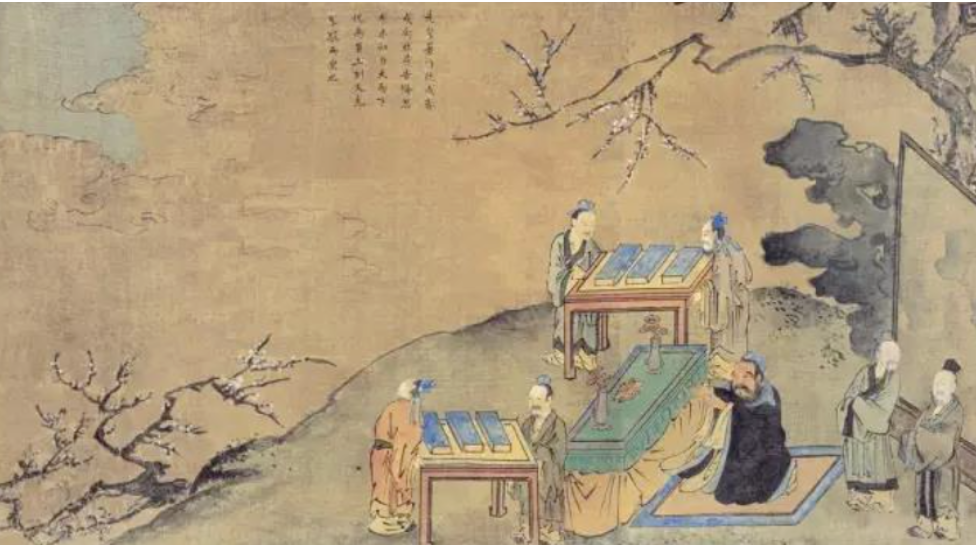
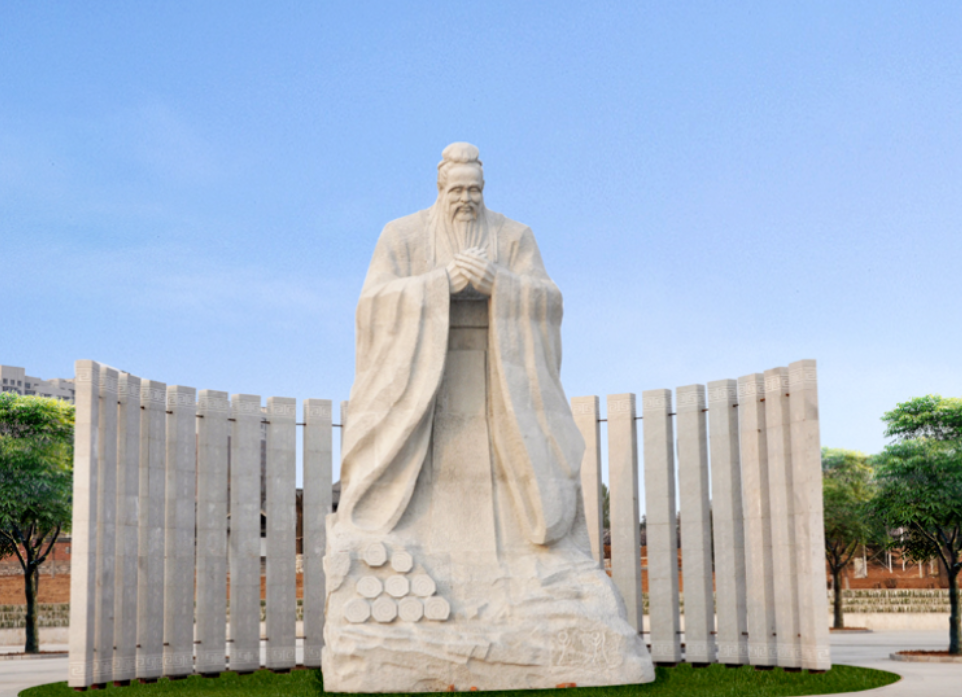
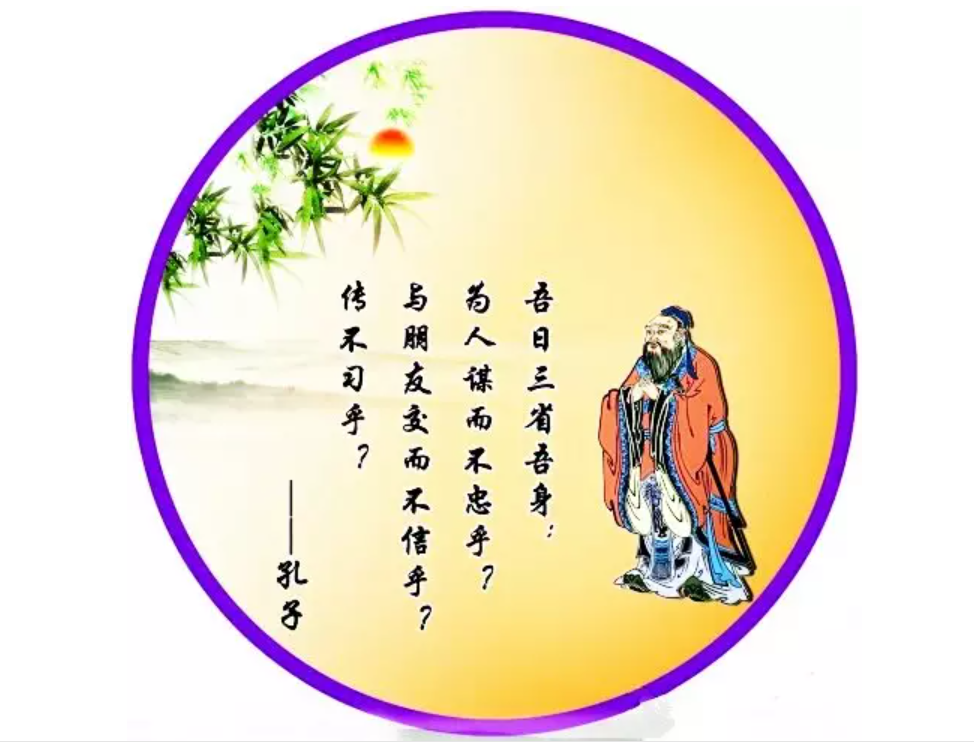
Only a few philosophers from ancient times are still famous in the world. Confucius is one of those philosophers of China who are still studied and followed in this modern age. He was a teacher and philosopher who was born in 551 BC and became popular because of Confucius quotes. Throughout his life, he stated many quotes and philosophies related to different departments of life, including love, work, and many others.
Undoubtedly, you can find hundreds of philosophers and influencers who have written quotes related to their respective life departments. But Konfuzius quotes are different from all those quotes because they are focused on unique concepts like human nature, ethics, morality, family love, and life principles. The majority of Confucius quotes belongs to these specific parts of your life.
Part 2: Funny Confucius Quotes
Confucius is not only a great thinker and educator from ancient China; his words continue to transcend time and space with their unique charm, influencing people all around the world even today. Among Confucius’ sayings, there are many that are both wise and amusing. These sayings are interesting because they reveal profound truths in simple language and relate closely to daily life, making them easy to resonate with.
To let his followers laugh, Confucius has also added some funny quotes to his collection. You can find his quotes in different languages and laugh by reading them. We have listed a few funny Confucius quotes to help you understand his humor and his funny jokes.
#1. If one does not understand life, how can one understand death?
Chinese
未知生,焉知死。
Source
The Analects of Confucius: Book of Li Ren
Pinyin
wèi zhī shēng, yān zhī sǐ
Meaning
Wealth gained through unjust means is to me as a floating cloud, meaningless. Not everyone understands this principle, but a superior man seeks righteousness over riches.
2. If one understands the way of righteousness in the morning, it is acceptable to die for it by evening.
Chinese
朝闻道,夕死可矣。
Source
The Analects of Confucius: Book of Li Ren
Pinyin
zhāo wén dào, xī sǐ kě yǐ
Meaning
If one understands the way of righteousness in the morning, it is acceptable to die for it by evening. A true friend would support such dedication.
3. The wise delight in water, while the benevolent delight in mountains.
Chinese
知者乐水,仁者乐山。
Source
The Analects of Confucius: Book of Li Ren
Pinyin
zhī zhě lè shuǐ, rén zhě lè shān
Meaning
The wise delight in water, while the benevolent delight in mountains. The life of a man seeks balance between these elements, while a small man seeks only transient pleasures.
4. Wealth gained through unjust means is to me as a floating cloud, meaningless.
Chinese
不义而富且贵,于我如浮云。
Source
The Analects of Confucius: Book of Shu Er
Pinyin
bù yì ér fù qiě guì, yú wǒ rú fú yún
Meaning
If the money is earned honestly, even simple living feels good. Unjust wealth brings disaster.
5. The noble man understands righteousness, while the petty person understands profit.
Chinese
君子喻于义,小人喻于利。
Source
The Analects of Confucius: Book of Shu Er
Pinyin
jūn zǐ yù yú yì, xiǎo rén yù yú lì
Meaning
The noble man understands righteousness, while the petty person understands profit. A small man seeks gains, often at the expense of principles.
6. Swimming in the Yi River, feeling the wind on the dance platform, and singing home.
Chinese
浴乎沂,风乎舞雩,咏而归。
Source
The Analects of Confucius: Book of Xianjin
Pinyin
yù hū yí, fēng hū wǔ yóu, yǒng ér guī
Meaning
Swimming in the Yi River, feeling the wind on the dance platform, and singing home. This captures the spirit of joy that a man finds in simple pleasures.
7. “Time flows like this! It does not cease day or night.”
The Master said by the river: “Time flows like this! It does not cease day or night.”
8. “Like cutting and polishing, like carving and grinding.”
Chinese
如切如磋,如琢如磨。
Source
The Analects of Confucius
Pinyin
rú qiē rú cuō, rú zhuó rú mó
Meaning
Like cutting and polishing, like carving and grinding.
9. “The noble man is harmonious yet not the same; the petty person is the same yet not harmonious.”
Chinese
君子和而不同,小人同而不和。
Source
The Analects of Confucius
Pinyin
jūn zǐ hé ér bù tóng, xiǎo rén tóng ér bù hé
Meaning
The noble man is harmonious yet not the same; the petty person is the same yet not harmonious.
10. “The Book of Songs contains 305 pieces; in one sentence it can be summarized: Thoughts must be pure, with no evil.”
Chinese
诗三百,一言以蔽之,曰:思无邪。
Source
The Analects of Confucius: Book of Xianjin
Pinyin
shī sān bǎi, yī yán yǐ bèi zhī, yuē: sī wú xié
Meaning
The Book of Songs contains 305 pieces; in one sentence it can be summarized: Thoughts must be pure, with no evil.
11. “Wise people enjoy water, as they are active; benevolent people enjoy mountains, as they are serene. The wise are joyful, and the benevolent live longer.”
Chinese
知者乐水,仁者乐山。知者动,仁者静,知者乐,仁者寿。
Source
The Analects of Confucius: Book of Xianjin
Pinyin
zhī zhě lè shuǐ, rén zhě lè shān. zhī zhě dòng, rén zhě jìng, zhī zhě lè, rén zhě shòu
Meaning
Wise people enjoy water, as they are active; benevolent people enjoy mountains, as they are serene. The wise are joyful, and the benevolent live longer.
12. “When paths are different, do not make plans together.”
Chinese
道不同,不相为谋。
Source
The Analects of Confucius: Book of Xianjin
Pinyin
dào bù tóng, bù xiāng wéi móu
Meaning
When paths are different, do not make plans together.
13. “Rotten wood cannot be carved.”
Chinese
朽木不可雕也。
Source
The Analects of Confucius
Pinyin
xiǔ mù bù kě diāo yě
Meaning
Rotten wood cannot be carved.
14. “His wisdom can be reached by others, but his foolishness cannot.”
Chinese
其知可及也,其愚不可及也。
Source
The Analects of Confucius
Pinyin
qí zhī kě jí yě, qí yú bù kě jí yě
Meaning
His wisdom can be reached by others, but his foolishness cannot.
15. “Those who merely know something are not as good as those who love it, and those who love it are not as good as those who enjoy it.”
Today’s filial piety is simply the ability to provide; even dogs and horses can be cared for. Without respect, what is the difference?
Part 3. Philosopher Confucius Quotes
Confucius, one of history’s most influential philosophers, offers a wealth of wisdom that continues to resonate today. His quotes on philosophy encapsulate fundamental principles of ethics, self-cultivation, and the importance of social harmony. Characterized by their simplicity and depth, these sayings often challenge us to reflect on our values and behaviors. Here are some famous quotes about philosophy.
1. A virtuous superior man will never be lonely; there will always be like-minded true friends around him.
Chinese
德不孤,必有邻。
Source
《论语·里仁》
Pinyin
dé bù gū, bì yǒu lín
Meaning
This highlights that those with good character attract others who share similar values, ensuring companionship and support in their journey.
2. Without long-term considerations, a person’s life will inevitably face immediate worries.
Chinese
人无远虑,必有近忧。
Source
《论语·卫灵公》
Pinyin
rén wú yuǎn lǜ, bì yǒu jìn yōu
Meaning
This emphasizes the importance of foresight; neglecting future planning can lead to unforeseen problems.
3. In the company of three, a man can always learn wisdom from others, choosing to follow their good ways.
This promotes a balance between inner quality and outward expression.
16. The past cannot be salvaged, but one can still embark on a journey toward the future.
Chinese
往昔不可谏,来者犹可追。
Source
《论语》
Pinyin
wǎng xī bù kě jiàn, lái zhě yóu kě zhuī
Meaning
This encourages focusing on future possibilities rather than lamenting past mistakes.
Part 4. Famous Confucius Saying About Life
You can say that life is one of the main focus of Confucius when it comes to his quotes. It is easy to find a huge list of Confucius quotes about life with the main focus on moral values, ethics, and related ones. Let us share a few famous golden rules that still ring true today written by him.
1. “Do not do to others what you do not want done to yourself.”
Chinese
己所不欲,勿施于人。
Source
《论语·颜渊》
Pinyin
Jǐ suǒ bù yù, wù shī yú rén.
Meaning
A true friend respects personal boundaries. This phrase emphasizes empathy and reciprocity in relationships.
2. “What has been done does not need to be mentioned; what has been achieved does not need to be advised against.”
A true friend speaks kindly even in hardship; this phrase highlights compassion at life’s end.
16. “Worry not about lacking position, but about how to establish oneself.”
Chinese
不患无位,患所以立。
Source
《论语》
Pinyin
Bù huàn wú wèi, huàn suǒ yǐ lì.
Meaning
Not everyone prioritizes capability; this saying emphasizes self-awareness in one’s journey.
Part 4. Confucius Quotes on Education and Learning
There is no denying that every philosopher has a specific perspective on education and encourages people to share their thoughts. You can also find the same category of Confucius quotes that can help you understand the importance of education. Let us share a few of his famous quotes about education.
1. “The way of the university is to manifest virtue, to enrich the people, and to stop at the highest good.”
This quote defines the purpose of the university as illuminating noble character, improving society, and striving for ultimate goodness.
2. “Education knows no class distinctions.”
Chinese
有教无类
Source
The Analects
Pinyin
Yǒu jiào wú lèi.
Meaning
This emphasizes that a university’s mission should encompass everyone, reflecting inclusivity in education.
3. “Is it not a pleasure to learn and constantly practice what you have learned? Is it not a joy to have friends come from afar? Is it not gentlemanly not to take offense when others fail to appreciate you?”
Chinese
学而时习之,不亦说乎?有朋自远方来,不亦乐乎?人不知而不愠,不亦君子乎?
Source
The Analects
Pinyin
Xué ér shí xí zhī, bù yì shuō hū? Yǒu péng zì yuǎn fāng lái, bù yì lè hū? Rén bù zhī ér bù yùn, bù yì jūnzǐ hū?
Meaning
This quote underscores the joy of learning and camaraderie in the university setting, encouraging a mindset of openness and understanding.
4. “The noble man does not seek to be full when eating, nor does he seek comfort when living. He is diligent in work and cautious in speech, adhering to the principles, which defines a good student.”
Chinese
君子食无求饱,居无求安,敏于事而慎于言,就有道而正焉,可谓好学也已。
Source
The Analects
Pinyin
Jūnzǐ shí wú qiú bǎo, jū wú qiú ān, mǐn yú shì ér shèn yú yán, jiù yǒu dào ér zhèng yān, kě wèi hǎo xué yě yǐ.
Meaning
This reflects the qualities of a diligent university student, stressing hard work, careful speech, and the desire to learn.
5. “Revisiting the old to learn the new makes one a worthy teacher.”
Chinese
温故而知新,可以为师矣。
Source
The Analects
Pinyin
Wēn gù ér zhī xīn, kě yǐ wèi shī yǐ.
Meaning
Continuous learning is vital in a university environment, where revisiting past knowledge leads to new insights.
6. “Learning without thought is labor lost; thought without learning is perilous.”
Chinese
学而不思则罔,思而不学则殆。
Source
The Analects
Pinyin
Xué ér bù sī zé wǎng, sī ér bù xué zé dài.
Meaning
This highlights the importance of critical thinking in university studies, suggesting that both learning and reflection are essential for true understanding.
7. “To silently remember what one learns, to persevere in study without weariness, and to teach others tirelessly.”
Chinese
默而识之,学而不厌,诲人不倦。
Source
The Analects
Pinyin
Mò ér shì zhī, xué ér bù yàn, huì rén bù juàn.
Meaning
This emphasizes the dedication to study and teaching found in a thriving university atmosphere.
8. “Set on learning, one forgets food; delighted in inquiry, one overlooks aging.”
This quote illustrates the passion for knowledge in a university, where the pursuit of learning can overshadow worldly concerns.
9. “He teaches through four aspects: culture, conduct, loyalty, and trust.”
Chinese
子以四教:文、行、忠、信。
Source
The Analects
Pinyin
Zǐ yǐ sì jiào: wén, xíng, zhōng, xìn.
Meaning
This reflects the comprehensive education one receives in a university, focused on character development and ethical principles.
10. “In public service, excel in scholarship; in study, excel in public service.”
Chinese
仕则优则学,学而优则仕。
Source
The Analects
Pinyin
Shì zé yōu zé xué, xué ér yōu zé shì.
Meaning
This illustrates the interconnectedness of academic excellence and public service, a principle that universities strive to promote.
Part 5. Confucius Quotes About Kindness and Love
A major category of Confucius quotes belongs to love. According to him, nothing is better than pure love feelings, regardless of the conditions with whom you are in love. Confucius encouraged the people in his quotes to spend time with their loved ones. It is right to say that Confucius’s philosophy is based on family love and he encouraged people to spend time with their loved ones before it was too late. Let us share a few Confucius quotes about love.
1. “The way of the university is to manifest virtue, to enrich the people, and to stop at the highest good.”
This highlights three methods: clarity of virtue, social improvement, and the pursuit of perfection. Without these, individuals may miss the matter at hand, making “digging two graves” a relevant metaphor.
2. “Education knows no class distinctions.”
Chinese
有教无类
Source
The Analects
Pinyin
Yǒu jiào wú lèi.
Meaning
This reflects the belief that learning should be accessible to everyone, emphasizing the importance of inclusion in education, irrespective of social status.
3. “Is it not a pleasure to learn and constantly practice what you have learned? Is it not a joy to have friends come from afar? Is it not gentlemanly not to take offense when others fail to appreciate you?”
Chinese
学而时习之,不亦说乎?有朋自远方来,不亦乐乎?人不知而不愠,不亦君子乎?
Source
The Analects
Pinyin
Xué ér shí xí zhī, bù yì shuō hū? Yǒu péng zì yuǎn fāng lái, bù yì lè hū? Rén bù zhī ér bù yùn, bù yì jūnzǐ hū?
Meaning
The joy of learning reflects the journey of self-improvement. It encourages one to rise above grievances, as true is tested when faced with others’ misunderstandings.
4. “The noble man does not seek to be full when eating, nor does he seek comfort when living. He is diligent in work and cautious in speech, adhering to the principles, which defines a good student.”
Chinese
君子食无求饱,居无求安,敏于事而慎于言,就有道而正焉,可谓好学也已。
Source
The Analects
Pinyin
Jūnzǐ shí wú qiú bǎo, jū wú qiú ān, mǐn yú shì ér shèn yú yán, jiù yǒu dào ér zhèng yān, kě wèi hǎo xué yě yǐ.
Meaning
This emphasizes the balance between diligence and restraint, encouraging individuals to reflect on the importance of character in their pursuit of knowledge.
5. “Revisiting the old to learn the new makes one a worthy teacher.”
Chinese
温故而知新,可以为师矣。
Source
The Analects
Pinyin
Wēn gù ér zhī xīn, kě yǐ wèi shī yǐ.
Meaning
Continuous learning captures the essence of education, reminding us that understanding the past enhances our capability, much like learning from past grievances.
6. “Learning without thought is labor lost; thought without learning is perilous.”
Chinese
学而不思则罔,思而不学则殆。
Source
The Analects
Pinyin
Xué ér bù sī zé wǎng, sī ér bù xué zé dài.
Meaning
Emphasizing the balance of studying and reflecting conveys the critical nature of both for personal growth and practical wisdom.
7. “To silently remember what one learns, to persevere in study without weariness, and to teach others tirelessly.”
Chinese
默而识之,学而不厌,诲人不倦。
Source
The Analects
Pinyin
Mò ér shì zhī, xué ér bù yàn, huì rén bù juàn.
Meaning
Consistent efforts in learning and teaching showcase the dual rewards of knowledge and benevolence.
#8. “Set on learning, one forgets food; delighted in inquiry, one overlooks aging.”
This quote captures the dedication to learning that can lead to neglect of physical needs, highlighting how the quest for knowledge often overshadows daily concerns.
#9. “He teaches through four aspects: culture, conduct, loyalty, and trust.”
Chinese
子以四教:文、行、忠、信。
Source
The Analects
Pinyin
Zǐ yǐ sì jiào: wén, xíng, zhōng, xìn.
Meaning
This showcases a holistic approach to education, which ties back to the importance of trust and loyalty within friendships and relationships.
#10. “In public service, excel in scholarship; in study, excel in public service.”
Chinese
仕则优则学,学而优则仕。
Source
The Analects
Pinyin
Shì zé yōu zé xué, xué ér yōu zé shì.
Meaning
This highlights the reciprocity between service and scholarship, emphasizing how both areas enrich each other.
Part 6. FAQs
Q1. Who Was Confucius?
Confucius (551 BC – 479 BC), born as Kong Qiu and also known by his courtesy name Zhongni, was an ancient Chinese philosopher, educator, and thinker. He is the founder of Confucianism, a school of thought that has profoundly influenced Chinese culture for over two millennia. His teachings and ideas were recorded by his disciples in the Analects, which have had a lasting impact on the history, culture, education, and political systems of China and East Asia. Even today, Confucius’ philosophy continues to be widely studied and discussed.
Q2.What Is Confucius Most Famous Quote?
Undoubtedly, you can find a long list of Confucius quotes with a single search on the internet. But his most famous quote is “You are what you think,” which means that you are the exact person who thinks about yourself or others.
Q3. What Did Confucius Quotes About Love?
A variety of Confucius quotes about love can be found but the core concept of these quotes is to love yourself and your loved ones. Confucius always stated that you should cheer yourself up for the great skills and performances you have given on different occasions.
Part 7. Summary
By reading about Confucius quotes, saying or phrases, you might be aware of why these quotes are famous and followed at this time. You can easily understand the importance of these quotes for people who follow this philosopher. We recommend reading Confucius quotes, as they can inspire and motivate you to achieve your life goals and be good in your life.
Exploring Chinese Wisdom: Quotes, Proverbs, and Philosophy
To help you dive deeper into the rich heritage of Chinese culture and language, we have curated a comprehensive collection of resources. Whether you are looking for philosophical insights or daily inspiration, explore our guides below:
Category
Topics & Wisdom
Key Resource Link
Philosophical Masters
Discover the timeless teachings of ancient China’s greatest thinkers.
Bella holds a Master’s degree from Yangzhou University and brings 10 years of extensive experience in K-12 Chinese language teaching and research. A published scholar, she has contributed over 10 papers to the field of language and literature. Currently, Bella leads the research and development of WuKong Chinese core courses, where she prioritizes academic rigor alongside student engagement and cognitive development. She is dedicated to building a robust foundation for young learners covering phonetics (Pinyin), characters, idioms, and classical culture while ensuring that advanced courses empower students with comprehensive linguistic mastery and cultural insight.