Chinese Pinyin Chart
Master All Chinese Sounds
Speak Mandarin Fluent & Fast

Pinyin Initials

拼音 Pin Yin Tap any sound below to hear it.

Pinyin Finals

Pinyin Four Tones

Full Chinese Pinyin Chart

Learn the Pinyin for Beginners

More Chinese Learning Online Tools

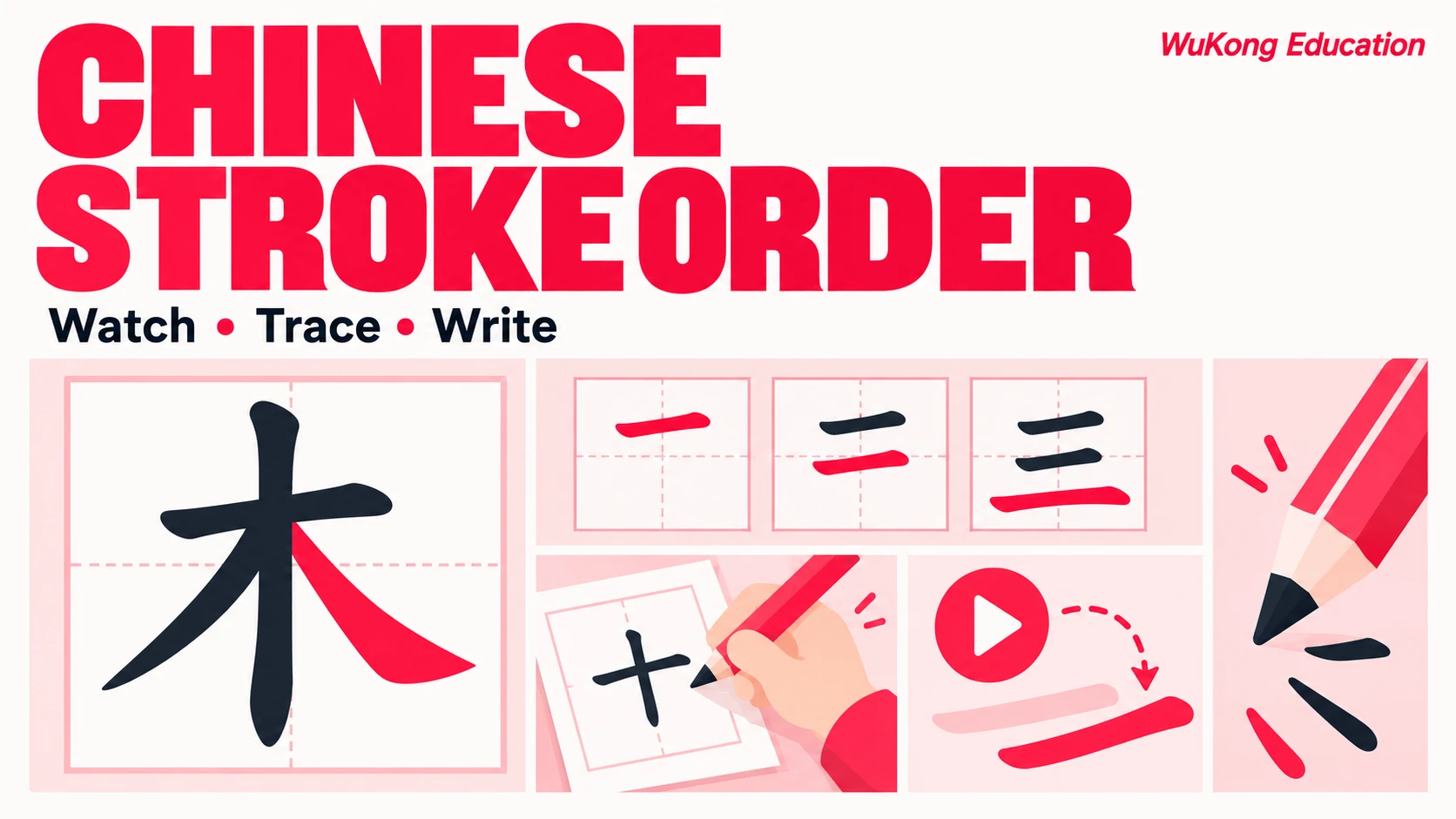
Chinese Stroke Order Tool

Type any Chinese character and watch it being written stroke by stroke. Then trace it yourself and get instant feedback.

• Animated stroke order for simplified and traditional characters
• Practice mode with finger or mouse tracing
• Pinyin and pronunciation for each character
• One-tap access to the 200 most common Chinese characters
FAQs about Chinese Pinyin

Pinyin is the official romanization system used to spell out Mandarin Chinese pronunciations using the Latin alphabet. Since Chinese characters don’t directly show how they are pronounced, Pinyin serves as an essential phonetic guide to help beginners read, pronounce, and type Chinese words before mastering full characters.

Mandarin Chinese is a tonal language with four main tones and one neutral tone. Changing the tone changes the meaning of a word entirely. For example:

1st Tone (High & Flat): mā (Mother)
2nd Tone (Rising): má (Hemp)
3rd Tone (Low/Dipping): mǎ (Horse)
4th Tone (Falling): mà (Scold)

Not always! While many letters sound similar to English, some have unique pronunciations in Pinyin. For instance:

  • c sounds like the ts in cats.
  • x sounds like a soft sh (with the tongue placed behind lower teeth).
  • q sounds like the ch in cheek (with strong breath).
  • zh sounds like the j in jam (with the tongue slightly curled back).

Most beginners can learn all Pinyin initials (consonants) and finals (vowels) within 2 to 4 weeks with consistent practice. Mastering accurate tone control in everyday conversation takes continuous listening and practical usage.

Pinyin is a fantastic tool for oral communication and quick starting. However, to achieve real fluency, read signs, or communicate in written contexts, learning Chinese characters (hànzì) is step-by-step necessary, as many words share the exact same Pinyin.