

35 Top Ways to Say Happy New Year in Chinese and Cantonese (Auido Pronunciation)


As New Year 2026 approaches, you may wonder how to say Happy New Year in Chinese 2026. Here, we’ll introduce 25 greetings & wishes to express Happy New Year in Cantonese and Chinese, including their audios, pinyin pronunciations, English meanings. Otherwise, we’ll also tell you how to write happy new year in Chinese.
The Chinese New Year is based on the traditional lunisolar Chinese calendar, which influences the timing and cultural significance of the celebrations. Each year on the Chinese calendar is associated with a specific animal sign, influencing cultural traditions and beliefs surrounding luck and personal traits for those born in that year.
All of these are our carefully selected 2026 Chinese New Year greetings, which you can directly give to your relatives and friends. “Happy New Year” is a phrase you’ll hear, read, and see everywhere in the coming days. If you wish to extend your greetings beyond the traditional and include Chinese in your well wishes, or if you’re interested in how the Chinese convey their heartfelt emotions during this special occasion, we’ve got you covered. In this guide, we’ll explore five unique ways to say “Happy New Year” in Chinese. Let’s begin!
Learn authentic Chinese from those who live and breathe the culture.
Specially tailored for kids aged 3-18 around the world!
Get started free!![35 Top Ways to Say Happy New Year in Chinese and Cantonese [Auido Pronunciation]](https://wp-more.wukongedu.net/blog/wp-content/uploads/2023/12/image-284.png)
Part 1: 5 Top Ways to Say Happy New Year in Cantonese and Chinese Mandarin (With Auido Pronunciation)
Unlock the secrets of expressing heartfelt New Year greetings in Cantonese and Mandarin Chinese with our comprehensive guide. Discover the top 5 ways to say “Happy New Year” and impress your Chinese friends with your linguistic skills. With audio pronunciation included, you’ll confidently extend your wishes for love, health, prosperity, and more. This guide will also cover the Cantonese pronunciation of these phrases, which is significant for understanding the cultural nuances and historical context of Chinese immigrant communities.
Chinese people pack up their New Year wishes with loads of love, wishes for better health, prosperity, and more, instead of relying on the dull statement, Happy New Year only. If you plan on wishing your Chinese friend a New Year, add up 祝你 (zhù nǐ, “Wish you”) in the beginning to extend your token of love. Let’s now move on to the wishes!
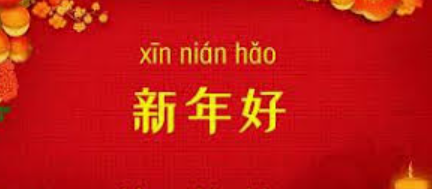
1. “Good New Year” – 新年好 (Xīnnián hǎo)
1. Pronunciation In Cantonese
Pinyin Pronunciation: 新年好 (Sān nìhn hóu)
Auido Pronunciation:
2. Pronunciation In Chinese Mandarin
Pinyin Pronunciation: 新年好 (Xīnnián hǎo)
Auido Pronunciation:
3. English Meaning
In general Mandarin, Chinese say Happy New Year – 新年好 (Xīnnián hǎo) to their close friends and family relatives. The literal meaning of this wish is “Good New Year” or “New Year Goodness.” In Mandarin, 好 (hǎo) translates as “good.” Aside from the wish, you can add this word to another or multiple other words to say “Hi.” For instance, 你好 (nǐ hǎo) translates as “hi,” but its literal meaning is “you good”.
You can pronounce it like xīn nián hǎo /sshin-nyen haoww/. The same wish in Cantonese English would be pronounced as san nin hou. This wish for a “Good New Year” also conveys hopes for a prosperous year ahead.
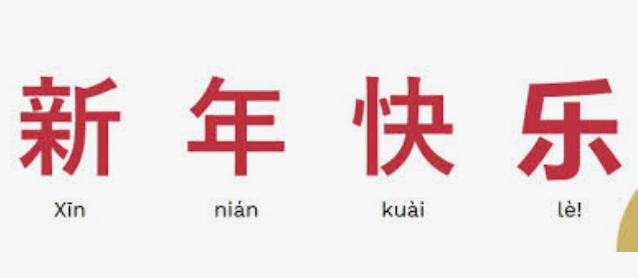
2. “New Year Happiness” – 新年快乐 (Xīnnián kuàilè)
1. Pronunciation In Cantonese
Pinyin Pronunciation: 新年快乐 (Sān nìhn faaih lohk)
Auido Pronunciation:
2. Pronunciation In Chinese Mandarin
Pinyin Pronunciation: 新年快乐 (Xīnnián kuàilè)
Auido Pronunciation:
3. English Meaning
On the other hand, the more formal greetings for the strangers remain 新年快乐 (Xīnnián kuàilè), literally meaning “New Year Happiness.” 新年 (xīnnián) translates as “New Year” and 快乐 (kuàilè) as “happy.”
Chinese also translate 快乐 (kuàilè) as “cheerful” and “joyful.” However, don’t use this word to express your happiness; you will have to use the term 高兴 (gāoxìng, “happy, glad”) for the purpose.
You can practice pronouncing this wish in the way: xīn nián kuài lè /sshin-nyen kwhy-ler/. However, in Cantonese, it is pronounced sun nin fai lok.
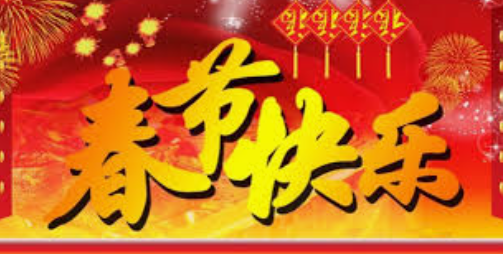
3. “Happy Spring Festival” – 春节快乐 (Chūnjié kuàilè)
1. Pronunciation In Cantonese
Pinyin Pronunciation: 春节快乐 (Chēun gíp faaih lohk)
Auido Pronunciation:
2. Pronunciation In Chinese Mandarin
Pinyin Pronunciation: 春节快乐 (Chūnjié kuàilè)
Auido Pronunciation:
3. English Meaning
Undoubtedly, the Western New Year has nothing to do with the Spring, but the Chinese closely relate their New Year festivities with the start of the Spring. It’s when they celebrate the previous year’s ending and welcome the next one with the Spring. However, you can say Happy New Year in Chinese as 春节快乐 (chūnjié kuàilè).
The term 春节 (chūnjié) packs up the meaning “Spring Festival,” and the 快乐 (kuàilè) translates as “happy.” We have already mentioned the other meanings of the latter word in the section above.
The pronunciation of this phrase is /chwn-jyeh kwai-luh/ in Mandarin, and in Cantonese, it’s pronounced as chun jit faa lok.
4. Happy New Year – 恭贺新禧 (gōnghè xīnxǐ)

1. Pronunciation In Cantonese
Pinyin Pronunciation: 恭贺新禧 (Gūng hoh sān héi)
Auido Pronunciation:
2. Pronunciation In Chinese Mandarin
Pinyin Pronunciation: 恭贺新禧 (gōnghè xīnxǐ)
Auido Pronunciation:
3. English Meaning
Here, we have another formal greeting that isn’t commonly used in Chinese conversations, i.e., Happy New Year – 恭贺新禧 (gōnghè xīnxǐ). Coming to the literal meanings, 恭贺 (gōnghè) translates as “to congratulate,” 新 (xīn) as “new,” and 禧 (xǐ) as “fortune, jubilation, and hapiness.”
When wishing in Chinese, you won’t have to go beyond the literal meanings of each word, as when used over the years, these words have lost their literal sense and are now more commonly used in their general meaning.
You may pronounce 恭贺新禧 (gōnghè xīnxǐ) in Mandarin Chinese as follows: gong-her shin-shee. However, in Cantonese, it is pronounced gung-ho san-hei.
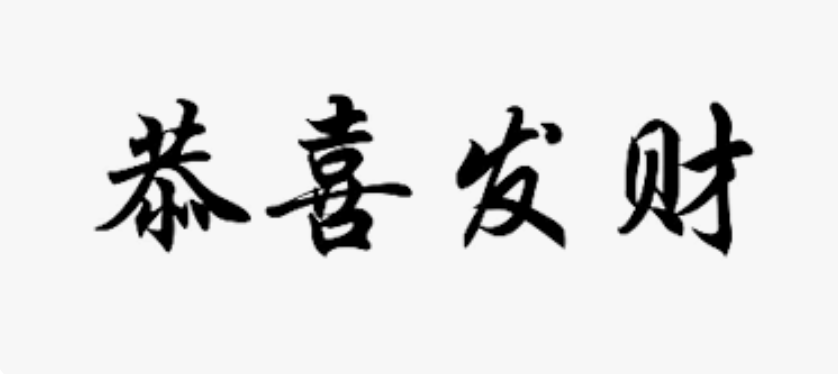
5. “Wishing you Happiness and Prosperity” – 恭喜发财 (Gōng xǐ fā cái)
1. Pronunciation In Cantonese
Pinyin Pronunciation: 恭喜发财 (Gūng héi faat chòih)
Auido Pronunciation:
2. Pronunciation In Chinese Mandarin
Pinyin Pronunciation: 恭喜发财 (Gōng xǐ fā cái)
Auido Pronunciation:
3. English Meaning
Lastly, in Chinese Cantonese, they say 恭喜发财 (Gong hei fat choy). It means “Wishing you happiness and prosperity.” 恭喜 (Gung hei) means happy, and 发财 (Fat Choi) means prosperity or to become rich. In this context, the latter term is associated with wishing for prosperity for the upcoming year.
You can well-pronounce it in this way in Mandarin: gōng xǐ fā cái /gong-sshee faa-tseye/ and in Cantonese, it will be as, gong hay fat choy. This phrase is often used during family gatherings, which are a central part of Chinese New Year celebrations for Chinese families.
Book a free trial class now and learn how to say Happy New Year in Chinese Mandarin or Cantonese with Wukong’s professional Chinese teacher!
Part 2: 10 Best Ways to Wish Someone Happy Chinese New Year (With Audio Pronunciation)

Elevate your Chinese New Year greetings in 2026 with our Part 2 guide featuring the 10 best ways to wish someone a Happy Chinese New Year. From the classic “新年快乐” (Xīnnián kuàilè) to more unique expressions, our guide provides audio pronunciation to perfect your delivery. Capture the essence of the dragon as you delve into the cultural significance of Chinese New Year. Immerse yourself in the festive spirit and spread joy to your loved ones with these 10 heartfelt wishes.
These phrases capture the essence of Chinese New Year’s celebrations, which are rich in cultural significance and tradition. Unlock the secrets of expressing “Happy New Year” in Chinese and Cantonese with our comprehensive guide. Learn the Pinyin transliteration, audio pronunciation, and meanings of popular phrases such as “新年快乐” (Xīnnián kuàilè) and “恭喜发财” (Gōngxǐ fācái). Immerse yourself in the richness of the Chinese language as you explore the cultural nuances of New Year greetings. Start the year on a positive note, embracing Chinese traditions and ushering in a prosperous and auspicious 2026.
1. 祝你新年快乐 Zhù nǐ xīnnián kuài lè – Happy New Year!
2. 恭喜发财 Gōng xǐ fā cái – Wishing you wealth and prosperity!
3. 万事如意 Wàn shì rú yì – May everything go as you wish.
4. 身体健康 Shēn tǐ jiàn kāng – Wishing you good health.
5. 年年有余 Nián nián yǒu yú – May you have abundance every year.
6. 吉祥如意 Jí xiáng rúyì – Wishing you good luck and happiness.
7. 大吉大利 Dà jí dà lì – Good luck and great profit.
8. 学业进步 Xué yè jìn bù – May your studies improve.
9. 马到成功 Mǎ dào chénggōng – Instant success!
10. 心想事成 Xīn xiǎng shì chéng – May all your wishes come true.
Part 3: 10 Idioms with Horse Characters to Wish Someone Happy New Year 2026
Here are 10 Chinese idioms that include the character for “horse” (马, mǎ) along with their meanings. These can be used to convey good wishes for the New Year:
1. 马到成功 (Mǎ dào chéng gōng)
English Translation: Gain immediate success / Success at the first try
2026 Wish: May the Year of the Horse bring you instant success in every goal you chase—may all your plans land perfectly and mǎ dào chéng gōng!
2. 龙马精神 (Lóng mǎ jīng shén)
English Translation: Boundless vitality and vigour (lit. dragon-horse spirit, a symbol of youthful energy and robust health)
2026 Wish: Wishing you unending lóng mǎ jīng shén in the 2026 Year of the Horse—staying healthy, energetic and ready for all wonderful new opportunities!
3. 一马当先 (Yī mǎ dāng xiān)
English Translation: Take the lead / Be the forerunner
2026 Wish: In the Year of the Horse, may you stand out, take the lead in every endeavour and yī mǎ dāng xiān on your path to greatness!
4. 万马奔腾 (Wàn mǎ bēn téng)
English Translation: A surging tide of prosperity / Galloping forward with unstoppable momentum
2026 Wish: May the 2026 Year of the Horse bring you wàn mǎ bēn téng momentum—your career, life and dreams all surging forward with endless prosperity!
5. 快马加鞭 (Kuài mǎ jiā biān)
English Translation: Speed up progress / Press ahead with renewed vigour
2026 Wish: Wishing you to kuài mǎ jiā biān in the Year of the Horse—turning your dreams into reality faster and reaching new heights with every step!
6. 策马奔腾 (Cè mǎ bēn téng)
English Translation: Gallop forward fearlessly / Forge ahead with courage
2026 Wish: In 2026, may you cè mǎ bēn téng through the Year of the Horse—chasing your dreams fearlessly and embracing all the joy and success ahead!
7. 金马玉堂 (Jīn mǎ yù táng)
English Translation: Prosperity and noble fortune / A life of abundance and honour
2026 Wish: May the golden horse of 2026 bring you jīn mǎ yù táng—abundant wealth, precious moments and a life filled with prosperity and joy!
8. 马踏春风 (Mǎ tà chūn fēng)
English Translation: Step into joy and good fortune (lit. ride a horse through spring breeze, a symbol of smooth sailing and happy times)
2026 Wish: Wishing you to mǎ tà chūn fēng in the Year of the Horse—every day filled with warmth, good luck and smooth sailing in all you do!
9. 鲜衣怒马 (Xiān yī nù mǎ)
English Translation: A life of vitality and prosperity / Youthful vigour and a prosperous journey
2026 Wish: May the 2026 Year of the Horse gift you a xiān yī nù mǎ life—vibrant days, prosperous adventures and all the happiness your heart desires!
10. 马入平川 (Mǎ rù píng chuān)
English Translation: Smooth sailing / Progress without hindrance (lit. a horse entering a flat plain, free to gallop unimpeded)
2026 Wish: In the Year of the Horse, may your life and career be like mǎ rù píng chuān—no obstacles, only smooth progress and endless possibilities!
These idioms can add a playful and culturally rich touch to your New Year greetings! If you need audio pronunciation, consider using language learning platforms or apps.
Part 4: 10 Idioms with Dragon Characters to Wish Someone Happy New Year (With Audio Pronunciation)
In Chinese culture, the dragon is a symbol of good fortune, power, and prosperity. Using idioms with dragon characters to wish someone a happy new year adds a touch of cultural richness and auspiciousness to your greetings. Here are 10 idioms with dragon characters that you can use to wish someone a happy new year:
![25 Top Ways to Say Happy New Year in Chinese and Cantonese [Auido Pronunciation] - WuKong Blog](https://wp-more.wukongedu.net/blog/wp-content/uploads/2023/12/image-283.png)
Welcome the New Year in style by mastering 10 best Chinese idioms with dragon characters that convey “Happy New Year” wishes in a truly unique way. From “龙马精神” (lóng mǎ jīngshén) to “龙争虎斗” (lóng zhēng hǔ dòu), these idioms are not only rich in meaning but also reflect the cultural significance of dragons in Chinese traditions. Enhance your greetings with the power and auspiciousness associated with dragons. With Pinyin and audio pronunciation, you can confidently pronounce these idioms in Mandarin or Cantonese. Say “Happy New Year” in Chinese using dragon-themed idioms and bring good fortune and prosperity to the year ahead. Start the year on a cultural high note in 2026.
1. 龙翔凤舞
Pronunciation In Cantonese: 龙翔凤舞 (Lùhng hèung fuhng mōu)
Pinyin: Lóng xiáng fèng wǔ
Auido Pronunciation:
English Meaning: Dragons soaring and phoenixes dancing – wishing for a year of great joy and prosperity.
2. 龙马精神
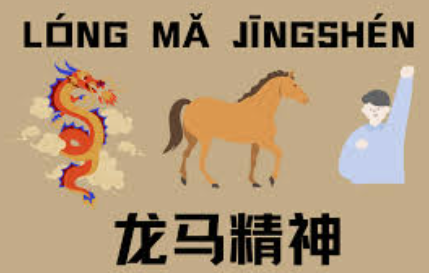
Pronunciation In Cantonese: 龙马精神 (Lùhng mā gīng sān)
Pinyin: Lóng mǎ jīngshén
Auido Pronunciation:
English Meaning: Possessing the spirit and vitality of a dragon and horse – wishing for a year filled with energy and enthusiasm.
3. 龙行天下
Pronunciation In Cantonese: 龙行天下 (Lùhng hàhng tīn hah)
Pinyin: Lóng xíng tiān xià
Auido Pronunciation:
English Meaning: Dragons ruling the world – symbolizing power and success in all endeavors.
4. 龙争虎斗
Pronunciation In Cantonese: 龙争虎斗 (Lùhng jāng fū dáu)
Pinyin: Lóng zhēng hǔ dòu
Auido Pronunciation:
English Meaning: Dragons and tigers fighting fiercely – representing intense competition and the pursuit of excellence.
5. 龙腾虎跃
Pronunciation In Cantonese: 龙腾虎跃 (Lùhng tàhng fū yeuhp)
Pinyin: Lóng téng hǔ yuè
Auido Pronunciation:
English Meaning: Dragons soaring and tigers leaping – wishing for a year of great achievements and breakthroughs.
6. 龙吟虎啸
Pronunciation In Cantonese: 龙吟虎啸 (Lùhng yàhm fū siu)
Pinyin: Lóng yín hǔ xiào
Auido Pronunciation:
English Meaning: Dragons roaring and tigers growling – symbolizing strength, courage, and the determination to overcome challenges.
7. 龙飞凤舞
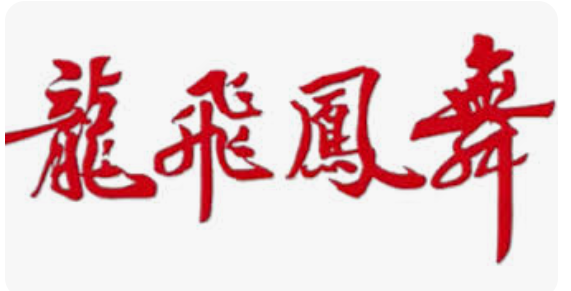
Pronunciation In Cantonese: 龙飞凤舞 (Lùhng fēi fuhng mōu)
Pinyin: Lóng fēi fèng wǔ
Auido Pronunciation:
English Meaning: Dragons flying and phoenixes dancing – expressing a vibrant and auspicious atmosphere.
8. 龙兴虎威
Pronunciation In Cantonese: 龙兴虎威 (Lùhng hīng fū wāi)
Pinyin: Lóng xīng hǔ wēi
Auido Pronunciation:
English Meaning: Dragons rising and tigers demonstrating their might – symbolizing power, authority, and influence.
9. 龙战于野
Pronunciation In Cantonese: 龙战于野 (Lùhng jīn yū yé)
Pinyin: Lóng zhàn yú yě
Auido Pronunciation:
English Meaning: Dragons battling in the wilderness – representing the pursuit of success and victory in the face of adversity.
10. 龙凤呈祥
Pronunciation In Cantonese: 龙凤呈祥 (Lùhng fuhng chìhng chèuhng)
Pinyin: Lóng fèng chéng xiáng
Auido Pronunciation:
English Meaning: Dragons and phoenixes symbolizing harmony and auspiciousness – wishing for a year filled with blessings and good fortune.
Part 5: How to Write ‘Happy Chinese New Year’ in Chinese?
![25 Top Ways to Say Happy New Year in Chinese and Cantonese [Auido Pronunciation] - WuKong Blog](https://wp-more.wukongedu.net/blog/wp-content/uploads/2025/02/image-76.png)
Looking for how to write “Happy Chinese New Year” in Chinese? Discover the phrase and its meaning in our concise guide. Learn how to write “新年快乐” (Xīnnián kuàilè) in Chinese characters and impress your friends and loved ones during the festive season. Start the Chinese New Year off right with this essential phrase.
新年快乐 (Xīnnián kuàilè)
In Chinese characters, it is written as:
新 (Xīn) – meaning “new”
年 (nián) – meaning “year”
快乐 (kuàilè) – meaning “happy” or “joyful”
So, when combined, “新年快乐” (Xīnnián kuàilè) translates to “Happy New Year” in Chinese.
Responding to Happy Chinese New Year
When someone greets you with “Happy Chinese New Year” or “新年快乐” (xīn nián kuài lè), it’s polite to respond with a phrase that shows your appreciation and returns the greeting. Here are a few options:
Casual & Simple (for friends, quick chats, or casual acquaintances)
- Thank you! Same to you! / 谢谢!你也新年快乐!(Xièxie! Nǐ yě xīn nián kuài lè!)
- Thanks, happy New Year to you too! / 谢谢,祝你也新年快乐!(Xièxie, zhù nǐ yě xīn nián kuài lè!)
Warm & Sincere (for family, close friends, or colleagues you know well)
- Thank you so much! Wishing you a wonderful Chinese New Year as well! / 太谢谢你啦!也祝你新春愉快,一切顺利!(Tài xièxie nǐ la! Yě zhù nǐ xīn chūn yúkuài, yīqiè shùnlì!)
- Appreciate the wishes! Happy Year of the Horse to you and your family! / 感谢祝福!祝你和家人马年快乐,阖家幸福!(Gǎnxiè zhùfú! Zhù nǐ hé jiārén mǎ nián kuài lè, hé jiā xìngfú!)
Festive & Horse-Themed (for 2026 Year of the Horse, adds a special festive touch)
- Thanks a lot! Wishing you a prosperous Year of the Horse too—may success come at your first try! / 多谢祝福!也祝你马年大吉,马到成功!(Duō xiè zhùfú! Yě zhù nǐ mǎ nián dà jí, mǎ dào chéng gōng!)
- So kind of you! Wishing you and your loved ones a vibrant Year of the Horse with lots of joy and good luck! / 太贴心啦!祝你和家人龙马精神,马年行大运!(Tài tiēxīn la! Zhù nǐ hé jiārén lóng mǎ jīng shén, mǎ nián xíng dà yùn!)
Formal & Polite (for superiors, business partners, or formal occasions)
- Thank you for your kind wishes. Wishing you a joyful and prosperous Chinese New Year! / 感谢您的美好祝福,祝您新春快乐,万事如意!(Gǎnxiè nín de měihǎo zhùfú, zhù nín xīn chūn kuàilè, wànshì rúyì!)
- I appreciate your greetings. May the 2026 Year of the Horse bring you and your family great happiness and success! / 承蒙祝福,不胜感激。祝您和家人 2026 马年幸福安康,事业兴旺!(Chéng méng zhùfú, bù shèng gǎn jī. Zhù nín hé jiārén 2026 mǎ nián xìngfú ānkāng, shìyè xīngwàng!)
Bonus Phrases
Here are a few more bonus phrases you can use during Chinese New Year celebrations to add variety to your greetings:
Wishes for Family & Joy
- 阖家幸福!(Hé jiā xìng fú!) – Wishing your whole family happiness!
- 新春安康,岁岁平安。(Xīn chūn ān kāng, suì suì píng ān.) – Wishing you a healthy Spring Festival and peace all year round.
- 愿你和家人岁岁年年皆欢愉。(Yuàn nǐ hé jiā rén suì suì nián nián jiē huān yú.) – May joy fill your family’s days, year after year.
Wishes for Prosperity & Fortune
- 恭喜发财!(Gōng xǐ fā cái!) – Wishing you great fortune and prosperity! (the most classic CNY wealth wish)
- 财源广进,步步高升。(Cái yuán guǎng jìn, bù bù gāo shēng.) – May wealth flow in from all sides and your life/career reach new heights!
- 年年有余,富贵吉祥。(Nián nián yǒu yú, fù guì jí xiáng.) – May you have surplus blessings every year, with prosperity and good fortune always by your side.
2026 Year of the Horse Exclusive Phrases
- 马年行大运!(Mǎ nián xíng dà yùn!) – Wishing you great luck in the Year of the Horse!
- 龙马精神,岁岁安康。(Lóng mǎ jīng shén, suì suì ān kāng.) – May you have boundless vitality and health all year long in the Horse Year!
- 一马当先,万事顺意。(Yī mǎ dāng xiān, wàn shì shùn yì.) – May you take the lead in all you do and have every wish fulfilled in the Horse Year!
Simple Festive Greetings
- 新春快乐!(Xīn chūn kuài lè!) – Happy Spring Festival!
- 新年行好运!(Xīn nián xíng hǎo yùn!) – Wishing you good luck in the new year!
- 佳节安康,事事顺心。(Jiā jié ān kāng, shì shì shùn xīn.) – Wishing you health and smooth sailing in all things this festive season!
FAQs About Happy New Year in Chinese
There are multiple ways to say Happy New Year in Chinese. You may refer to the guide above. However, if we had to choose one wish as the most common one, it would be “Good New Year” – 新年好 (Xīnnián hǎo) or “New Year Happiness” – 新年快乐 (Xīn nián kuài lè).
One of the most popular Chinese New Year blessings with “马” is: 马到成功 (mǎ dào chéng gōng). It means “instant success” and is commonly used to wish someone success in school, work, or personal goals. Another common phrase is 马到福来 (mǎ dào fú lái), which means “fortune arrives with the horse.”
“Happy New Year” in Chinese characters is written as 新年快乐 (xīn nián kuài lè).
Yes. Many zodiac-based Chinese New Year blessings are short, positive, and easy to remember, making them especially suitable for children and beginner Chinese learners. They are often used in classrooms, greeting cards, and family celebrations.
No. You don’t need to know the full Chinese zodiac system to use these blessings. Most zodiac-based New Year phrases function as general good wishes and can be used naturally when saying Happy New Year in Chinese.
Conclusion: Ready for Chinese New Year?
With these phrases and idioms, you’re now ready to celebrate Chinese New Year like a pro! Remember to use the correct pronunciation and tones to show respect and appreciation for the culture. Don’t forget to wear red clothes and give red envelopes filled with lucky money to mostly children and seniors. Gong hei fat choy!
By incorporating these greetings into your Chinese New Year festivities, you’ll be able to share in the joy and cultural richness of the holiday. Wishing you a prosperous and auspicious new year! How to Say Good Luck in Chinese you can also use in the new year, check for more Chinese phrases.
Summary
In this comprehensive guide, we have introduced 25 ways to express New Year greetings in Chinese, complete with their pinyin pronunciations and audio recordings. Chinese wishes are not limited to a few choices; you have a plethora of options to say “Happy New Year” in Chinese. However, the most common greeting remains “新年好” (Xīn nián hǎo).
In this guide, we have provided a selection of greetings for you to practice pronouncing or writing to wish your loved ones a Happy Chinese New Year. We hope you found this guide valuable and informative. Stay tuned for more interesting guides in the WuKong Chinese Online Classes.
Learn authentic Chinese from those who live and breathe the culture.
Specially tailored for kids aged 3-18 around the world!
Get started free!
Bella holds a Master’s degree from Yangzhou University and brings 10 years of extensive experience in K-12 Chinese language teaching and research. A published scholar, she has contributed over 10 papers to the field of language and literature. Currently, Bella leads the research and development of WuKong Chinese core courses, where she prioritizes academic rigor alongside student engagement and cognitive development. She is dedicated to building a robust foundation for young learners covering phonetics (Pinyin), characters, idioms, and classical culture while ensuring that advanced courses empower students with comprehensive linguistic mastery and cultural insight.


![Top 5 Interactive Online Mandarin Lessons for Kids [2026 Guide]](https://wp-more.wukongedu.net/blog/wp-content/uploads/2023/12/image-244-520x293.png "Top 5 Interactive Online Mandarin Lessons for Kids [2026 Guide]")
Comments0
Comments