

Best Chinese Movies for Kids (2026 Update)


In today’s global world, parents and educators are increasingly turning to immersive tools to support bilingual learning. One surprisingly powerful tool? Movies. For kids learning Mandarin, watching Chinese films can combine language exposure, cultural understanding, and entertainment all at once.
Best Chinese Movies for Kids in 2026 (By Age Group)
| Age Group | Movie Titles (English / Chinese) | Genre | Learning Focus |
|---|---|---|---|
| 3–6 | Pleasant Goat and Big Big Wolf / 喜羊羊与灰太狼 Boonie Bears / 熊出没 The Guardian Brothers / 小门神 Big Ear Tutu / 大耳朵图图 Beva Nursery Rhymes / 贝瓦儿歌 | Animation Music Fantasy | Daily vocabulary Simple sentences Nursery rhymes |
| 7–10 | Legend of the Moles / 摩尔庄园 GG Bond / 猪猪侠 Ma Liang and His Magic Brush / 神笔马良 The Story of Nian / 年兽的故事 The Story of Afanti / 阿凡提的故事 Three Character Classic / 三字经动画 | Adventure Folklore Education | Culture-based phrases Moral lessons Festival words |
| 11–14 | Big Fish & Begonia / 大鱼海棠 White Snake / 白蛇:缘起 Ne Zha / 哪吒之魔童降世 Jiang Ziya / 姜子牙 Monkey King / 大圣归来 Little Soldier Zhang Ga / 小兵张嘎 | Fantasy Mythology Historical | Advanced expressions Poetic language Traditional values |
| 15+ | Wish Dragon / 许愿神龙 Hi, Mom / 你好,李焕英 Riding Alone / 千里走单骑 | Drama Modern Culture | Emotion-driven language Colloquialisms Real-life Mandarin |
Ages 3–6 Chinese Movies: Gentle Stories, Simple Language
1.Pleasant Goat and Big Big Wolf(喜羊羊与灰太狼)
- Plot Summary: A classic Chinese slapstick animation following the funny adventures of a group of smart goats and a silly wolf who never manages to catch them. Each episode is a standalone mini-adventure.
- Learning Highlights: Extremely simple and repetitive dialogue packed with daily nouns, action verbs, and basic greetings. It is the perfect material for children’s Mandarin enlightenment. Kids will naturally remember common expressions like “eat,” “sleep,” and “run” while laughing.
- Cultural Value: Teaches traditional virtues of unity, courage, and helpfulness, and is a childhood memory for generations of Chinese children.
2.Boonie Bears (熊出没)
- Plot Summary: Centers on Briar, Bramble (two bears living in the forest), and Logger Vick. It tells their hilarious daily stories with a core message of protecting forests and nature.
- Learning Highlights: Clear pronunciation and slow speaking speed, full of lifelike oral expressions. Bramble’s slightly Northeastern Chinese accent is lively and interesting, exposing kids to different Mandarin phonetic features.
- Cultural Value: Cultivates environmental awareness and team spirit, and is currently one of the most popular children’s animation IPs in China.
3.The Guardian Brothers (小门神)
- Plot Summary: Tells the story of two door god brothers, Shen Tu and Yu Lei, who face unemployment because people no longer believe in gods. They descend to the human world and have a warm story with a mother and daughter.
- Learning Highlights: Contains a large number of vocabulary related to traditional Chinese gods and festivals. The dialogue is natural and fluent, perfect for accumulating basic cultural vocabulary.
- Cultural Value: Introduces traditional Chinese folk customs such as door gods and the Nian monster, helping kids understand the inheritance of traditional culture in modern society.
Learn authentic Chinese from those who live and breathe the culture.
Specially tailored for kids aged 3-18 around the world!
Get started free!4.Big Ear Tutu (大耳朵图图)
- Plot Summary: From the perspective of 3-year-old boy Hu Tutu, it tells his interesting growth stories at home and in kindergarten, showing the world through a child’s eyes.
- Learning Highlights: Fully matches the language habits of young children, containing a lot of common expressions in family life and kindergarten scenarios, such as “mom,” “teacher,” and “dinner time.”
- Cultural Value: Explores growth topics such as parent-child relationships and peer interactions, conveying warm family values.
5.Beva Nursery Rhymes (贝瓦儿歌)
- Plot Summary: A collection of hundreds of classic and original Chinese nursery rhymes paired with cute animations, covering topics such as numbers, animals, and daily habits.
- Learning Highlights: Helps kids memorize vocabulary and develop language sense through music and rhythm. The strong repetition of nursery rhymes allows kids to naturally learn simple sentences while singing.
- Cultural Value: Includes classic rhymes like “Two Tigers” and “Twinkle Twinkle Little Star,” and is essential content for Mandarin enlightenment.
Ages 7–10: Storytelling and Cultural Foundations
1.Legend of the Moles (摩尔庄园)
- Plot Summary: Adapted from the popular children’s web game of the same name, it tells the adventure story of little moles in Mole Manor who unite to fight against evil forces and defend their home.
- Learning Highlights: Contains a lot of vocabulary about friendship, teamwork, and adventure. The dialogue is lively and interesting, in line with the language level of primary school students.
- Cultural Value: Conveys the values of bravery, justice, and unity, and cultivates children’s sense of responsibility.
2.GG Bond (猪猪侠)

- Plot Summary: Follows the little pig GG Bond and his friends as they use wisdom and courage to solve various problems and protect the fairy tale world. Each season has a different theme.
- Learning Highlights: Humorous and witty language, including many popular children’s terms and idioms, which can help kids enrich their vocabulary and improve oral expression skills.
- Cultural Value: Integrates many elements of Chinese traditional fairy tales and myths, allowing kids to learn about traditional culture while being entertained.
3.Ma Liang and His Magic Brush (神笔马良)
- Plot Summary: A classic Chinese folk tale about a poor boy named Ma Liang who gets a magic brush that can turn drawings into real things. He uses the brush to help the poor and fight against greedy landlords and officials.
- Learning Highlights: Contains a lot of descriptive vocabulary and causal expressions such as “if… then…” and “because… so…”, suitable for learning basic grammar.
- Cultural Value: One of China’s most famous folk stories, conveying the virtues of kindness, bravery, and helpfulness.
4.The Story of Nian (年兽的故事)
- Plot Summary: Vividly tells the origin of the Chinese Spring Festival: In ancient times, there was a monster called “Nian” that would harm people every New Year’s Eve. Later, people discovered that Nian was afraid of red, light, and loud noises, so they drove it away by pasting Spring Festival couplets and setting off firecrackers.
- Learning Highlights: Focuses on learning Spring Festival-related vocabulary such as “Spring Festival couplets,” “firecrackers,” “dumplings,” and “reunion,” and is the best introduction to Chinese festival culture.
- Cultural Value: Details the origin and traditional customs of the Spring Festival, enhancing children’s sense of identity with Chinese traditional culture.
5.The Story of Afanti (阿凡提的故事)
- Plot Summary: A classic puppet animation about the witty Afanti who rides a little donkey, travels around, and uses wisdom and humor to help the poor and tease the greedy and stupid Bayi lords.
- Learning Highlights: The dialogue is full of wisdom and humor, containing many proverbs and sayings, which can help kids improve their language comprehension and expression skills.
- Cultural Value: Shows the culture and wisdom of the Uyghur ethnic group and conveys the values of fairness and justice.
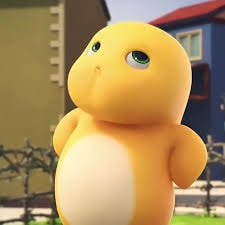
6.Nailong (奶龙)
Nailong (奶龙) is a beloved Chinese animated character that has become a cultural phenomenon among Gen Z and families across China.
- Plot Summary: A national hit animated series about Nailong, a chubby 3-year-old alien dragon who lands on Earth and becomes best friends with the genius boy Xiao Qi. They go on silly daily adventures in Dragon Village, exploring oceans, jungles, and even magical spaces, while facing funny challenges from the boastful Baobao Long.
- Learning Highlights: Features extremely natural, conversational Mandarin that mirrors how real Chinese kids talk. Full of everyday phrases about food, games, and friendship, plus playful humor that makes vocabulary easy to remember. Short 5-minute episodes are perfect for bite-sized learning.
- Cultural Value: Shows modern Chinese family and community life, and teaches kindness, teamwork, and optimism. With over 100 billion views globally, it is one of the most beloved children’s IPs in China today.
Ages 11–14: Deeper Culture, More Complex Stories
1.Big Fish & Begonia (大鱼海棠)
- Plot Summary: Based on Chinese classical texts such as Zhuangzi’s Xiaoyaoyou (Free and Easy Wandering), it tells the fantasy adventure of a girl named Chun who, in order to repay the life-saving kindness of a human boy named Kun, experiences a series of adventures in the underwater world.
- Learning Highlights: The language is beautiful and poetic, containing a large number of classical literary vocabulary and expressions, which can greatly improve children’s literary accomplishment and writing ability.
- Cultural Value: Integrates traditional Chinese cultural elements such as Taoist thought and Shan Hai Jing (Classic of Mountains and Seas) mythology. The visuals are extremely Chinese-style, making it an excellent work to understand Chinese classical aesthetics.
2.White Snake (白蛇:缘起)
- Plot Summary: Adapted from one of China’s four great folk legends, Legend of the White Snake, it tells the love story of the white snake Bai Suzhen and the mortal Xu Xian in their previous lives, showing the love and hatred between humans and demons.
- Learning Highlights: The dialogue is delicate and beautiful, containing a lot of emotional expressions and classical vocabulary, suitable for learning how to express complex emotions in Chinese.
- Cultural Value: Reinterprets the classic folk legend, allowing kids to understand the pursuit of love and freedom in traditional Chinese culture.
3.Ne Zha (哪吒之魔童降世)

- Plot Summary: Adapted from Investiture of the Gods, it tells the story of Ne Zha, who is reincarnated as a demon pill by nature. Facing the prejudice of the world and the arrangement of fate, he finally shouts “My fate is up to me, not heaven” and proves his own value.
- Learning Highlights: The lines are infectious, containing a large number of idioms and written expressions, which can improve children’s oral expression and writing skills.
- Cultural Value: Modernly adapts traditional mythology, conveying the spirit of defying fate and sticking to oneself, and is deeply loved by teenagers.
4.Jiang Ziya (姜子牙)
- Plot Summary: Also adapted from Investiture of the Gods, it tells the story of Jiang Ziya who, after the Great Fengshen War, is demoted to the mortal world for making a mistake. Later, he discovers the truth about the war and finally chooses to follow his own heart.
- Learning Highlights: The narrative is grand, the language is formal and philosophical, containing a lot of mythological vocabulary and historical allusions, suitable for improving advanced vocabulary.
- Cultural Value: Explores profound themes such as justice, good and evil, and responsibility, guiding children to think independently.
5.Monkey King: Hero is Back (大圣归来)

- Plot Summary: A well-made movie telling the story of Sun WuKong. Adapted from Journey to the West, it tells the story of Sun Wukong, who was suppressed under the Five Elements Mountain for 500 years, accidentally rescued by the little monk Jiang Liuer. The two embark on an adventure together, and finally Sun Wukong regains his original heart and becomes a hero.
- Learning Highlights: The action scenes are wonderful, the dialogue is concise and powerful, containing a lot of vocabulary and allusions related to Journey to the West, and is an excellent introductory work to understand this classic masterpiece.
- Cultural Value: Reshapes the heroic image of Sun Wukong, conveying the spirit of bravery, responsibility, and self-redemption.
6.Realm of Terracotta (封神榜之妖狐王妃)
- Plot Summary: A fantasy adventure based on the classic Chinese novel Investiture of the Gods. It follows Yang Jian (Erlang Shen) and his loyal dog Xiaotian Quan as they venture into the Demon City to rescue a young woman. There they meet Xuan Ji, the powerful fox demon queen, and uncover a conspiracy involving the legendary Su Daji and the fall of the Shang Dynasty.
- Learning Highlights: Introduces advanced mythological vocabulary (demon, god, immortal, curse) and formal narrative language. The complex plot helps improve listening comprehension for longer, more detailed stories.
- Cultural Value: Deepens understanding of the Fengshen Yanyi universe, one of the cornerstones of Chinese mythology. Explores themes of loyalty, sacrifice, and the difference between good and evil.
7.Little Soldier Zhang Ga (小兵张嘎)
- Plot Summary: A classic red animation about Zhang Ga, a teenager from Baiyangdian in Hebei Province during the War of Resistance Against Japanese Aggression. To avenge his grandmother, he joins the Eighth Route Army and grows into a brave little soldier.
- Learning Highlights: Contains a lot of historical vocabulary and expressions of war scenes, which can help kids understand modern Chinese history and accumulate relevant vocabulary.
- Cultural Value: A classic Chinese red education work that cultivates children’s patriotism and brave and strong qualities.
8.Sisters on the Prairie (草原英雄小姐妹)
- Plot Summary: Based on a true story, it tells the story of Mongolian sisters Long Mei and Yu Rong who fought against the severe cold in a blizzard for a whole day and night to protect the collective sheep, and finally saved the flock.
- Learning Highlights: Contains a lot of vocabulary about grassland scenery and Mongolian culture. The dialogue is sincere and touching, suitable for learning emotional expression.
- Cultural Value: Conveys the spirit of collectivism and strong will, and is a classic inspirational story in China.
Ages 15+: Complex Narratives & Strong Emotional Themes
1.Riding Alone for Thousands of Miles (千里走单骑)
- Plot Summary: Directed by Zhang Yimou, it tells the story of a Japanese father who, in order to fulfill the wish of his seriously ill son, travels alone to Yunnan, China, to find a famous Nuo opera performer. It shows the father-son love across national borders and the warmth of human nature.
- Learning Highlights: Contains a lot of descriptions of dialects in Southwest China and natural landscapes, allowing kids to be exposed to different regional variants of Chinese and improve listening comprehension.
- Cultural Value: Introduces Nuo opera, an intangible cultural heritage of China, and shows China’s natural scenery and humanistic customs.
2.Wish Dragon (许愿神龙)
- Plot Summary: Tells the story of Shanghai teenager Ding Siqi who accidentally summons a dragon that can grant wishes. The two embark on an adventure full of adventure and warmth, and finally understand what is the most precious thing in life.
- Learning Highlights: Produced in both Chinese and English, the Chinese lines are authentic and natural, containing a lot of vocabulary and buzzwords of modern urban life, which can help kids understand the language habits of contemporary Chinese young people.
- Cultural Value: Integrates traditional Chinese mythology and modern urban life, exploring the meaning of friendship, family affection, and wealth.
3.Hi, Mom (你好,李焕英)
- Plot Summary: The highest-grossing comedy in Chinese film history. It tells the story of Jia Xiaoling, a girl who just got into college, who accidentally travels back to 1981 and meets her mother Li Huanying when she was young. She decides to help her mother realize her dreams and make up for the regrets of her life.
- Learning Highlights: The lines are completely life-like oral language, containing a lot of buzzwords and family vocabulary from the 1980s to the present, allowing kids to learn the most authentic Chinese expressions.
- Cultural Value: Deeply explores mother-daughter affection and family relationships, triggering emotional resonance across society, and is an excellent work to understand Chinese family culture.
Why Use Movies to Learn Chinese?
Language Acquisition in a Natural Setting
Children absorb language best through context. Chinese movies offer native pronunciation, natural sentence structures, and common vocabulary in a way that textbooks can’t.
Cultural Immersion Beyond the Classroom
Movies reflect real-world customs, festivals, social interactions, and values. This cultural layer is critical for true bilingual fluency.
Learning Through Entertainment
Emotionally engaging stories improve memory retention. Kids remember more when they laugh, empathize, or feel inspired by characters.
How to Maximize Learning from Chinese Movies
Use Subtitles Wisely
- Start with English subtitles to build story familiarity
- Move to Chinese + Pinyin subtitles
- Watch with full Chinese subtitles for immersion
Pause and Discuss
- Ask children to explain scenes or guess vocabulary
- Compare cultural values with your own family’s experience
Pair with Structured Learning
Movies offer context, but structured classes offer grammar, writing, and practice.
“Platforms like WuKong Chinese provide professional native teachers and curriculum-aligned lessons to complement what kids pick up in media.”
Where to Watch Chinese Movies for Kids
- International platforms: Netflix, YouTube (CCTV Children, BabyBus channels), Amazon Prime
- Chinese platforms: iQIYI International, Tencent Video International, Youku International
- Free resources: Bilibili International, CCTV.com Children’s Channel
Final Takeaway
These classic Chinese children’s movies are not only fun for kids but also excellent materials for learning Mandarin. From simple nursery rhymes to profound dramas, kids of all ages can find content suitable for them, improving their language skills and understanding Chinese culture while being entertained.
If you want your child to learn Chinese systematically, WuKong Chinese offers 1-on-1 live classes with native teachers. Our curriculum combines animations, games, and cultural activities to help kids become fluent Mandarin speakers in a fun way.
Learn authentic Chinese from those who live and breathe the culture.
Specially tailored for kids aged 3-18 around the world!
Get started free!
I have been deeply involved in the K12 education field for many years, acquiring rich professional knowledge and experience. My extensive understanding of Chinese culture and education enhances my ability to integrate diverse educational methodologies. I hold a Master’s degree in Education from the University of Melbourne, which bolsters my expertise and pedagogical skills. Passionate about fostering educational environments that inspire and empower, I am committed to creating inclusive learning experiences. My aim is to positively impact students’ lives and equip them with tools for success in a globalized world.


![Top 15 Summer Programs for High School Students [2025]](https://wp-more.wukongedu.net/blog/wp-content/uploads/2024/06/image-104-1-520x293.png "Top 15 Summer Programs for High School Students [2025]")


Comments0
Comments