

How to Say Happy Mid-Autumn Festival in Chinese: 中秋节快乐 (Zhōngqiū jié kuàilè) + Greetings for 2026


The most common way to say “Happy Mid-Autumn Festival” in Chinese is 中秋节快乐 (Zhōngqiū jié kuàilè), which directly translates to “Mid-Autumn Festival happy.” This versatile greeting works for family, friends, and colleagues during the festival that falls on September 25, 2026.
Learning these authentic phrases helps overseas Chinese families and Mandarin learners convey heartfelt wishes while connecting to the festival’s deep cultural roots of reunion and gratitude under the full moon.
🎧 Click to hear the pronunciation: 中秋节快乐 (Zhōngqiū jié kuàilè)
What Does 中秋节快乐 Mean? Character Breakdown & Cultural Origin
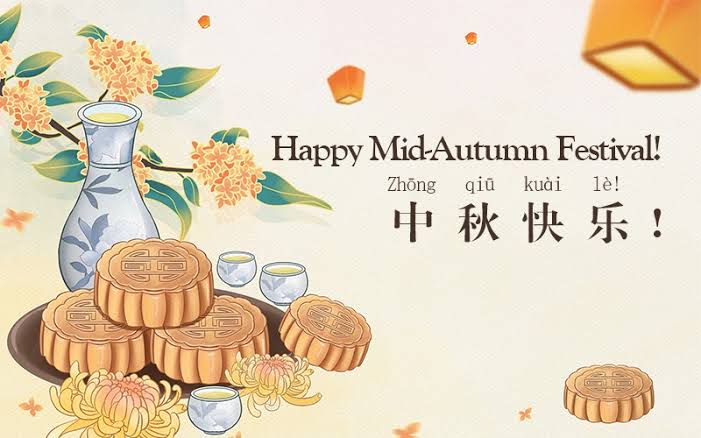
中秋节快乐 (Zhōngqiū jié kuàilè) breaks down as follows:
- 中 (zhōng) means “middle”
- 秋 (qiū) means “autumn”
- 节 (jié) means “festival”
- 快乐 (kuàilè) means “happy” or “joyful”
Together, 中秋节 (Zhōngqiū jié) refers to the Mid-Autumn Festival, also known as the Moon Festival or Mooncake Festival. It is celebrated on the 15th day of the 8th lunar month, when the moon is traditionally considered fullest and brightest. The greeting emphasizes family reunion (团圆, tuányuán) and harvest gratitude. A classic poetic expression often used is 但愿人长久,千里共婵娟 (Dàn yuàn rén chángjiǔ, qiānlǐ gòng chánjuān), from Su Shi’s poem, wishing longevity so people can share the moonlight even when far apart. Learn more with WuKong Education!
Essential Mid-Autumn Festival Greetings in Mandarin
Here are the most useful ways to wish someone a happy Mid-Autumn Festival in Mandarin Chinese. Each includes Chinese characters, pinyin, and English meaning for clear learning.
| Usage | Chinese (汉字 + 拼音) | English Meaning / Sentence |
| Standard greeting | 中秋节快乐 (Zhōngqiū jié kuàilè) | Happy Mid-Autumn Festival! |
| Family-focused | 祝你和你的家人中秋快乐 (Zhù nǐ hé nǐ de jiārén Zhōngqiū kuàilè) | Wish you and your family a happy Mid-Autumn Festival! |
| Poetic wish | 但愿人长久,千里共婵娟 (Dàn yuàn rén chángjiǔ, qiānlǐ gòng chánjuān) | Wishing us a long life to share the graceful moonlight, though thousands of miles apart. |
| Life blessing | 愿你的生活就像这十五的月亮一样,圆圆满满 (Yuàn nǐ de shēnghuó jiù xiàng zhè shíwǔ de yuèliang yíyàng, yuányuán mǎnmǎn) | Wish you a perfect life just like the roundest moon on Mid-Autumn Day. |
These phrases work well in messages, cards, or spoken greetings to Chinese friends and colleagues.
How to Say Happy Mid-Autumn Festival in Cantonese
Cantonese is a traditional Chinese language with a prestige variety of the Yue Chinese group spoken by over 82 million people. Use these greetings for Cantonese-speaking friends and family:
- Happy Mid-Autumn Festival!
中秋快樂 (zung1 cau1 faai3 lok6)
- Wish you and your family a happy Mid-Autumn Festival.
祝你同你嘅屋企人中秋快樂 (zuk1 nei5 tung4 nei5 ge1 uk1 kei5 jan4 zung1 cau1 faai3 lok6)
- Wishing us a long life to share the graceful moonlight, though thousands of miles apart.
但願人長久,千里共嬋娟 (daan6 jyun6 jan4 coeng4 gau2, cin1 lei5 gung6 sim4 gyun1)
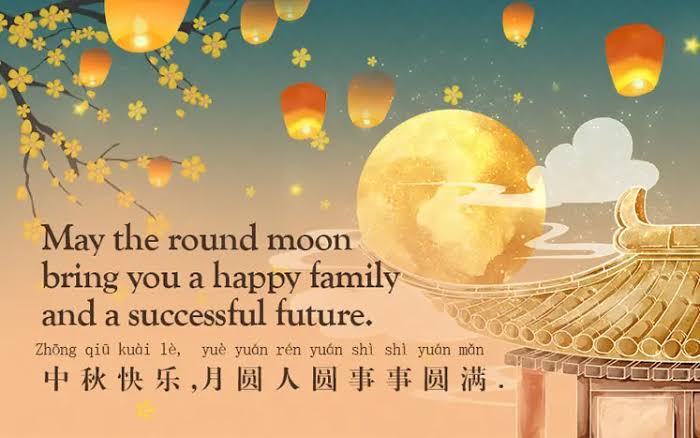
- Happy Mid-Autumn Festival! May the round moon bring you a happy family and a successful future.
祝福中秋佳節快樂,月圓人圓事事圓滿 (zuk1 fuk1 zung1 cau1 gaai1 zit3 faai3 lok6, jyut6 jyun4 jan4 jyun4 si6 si6 jyun4 mun5)
- Wish you a perfect life just like the roundest moon on Mid-Autumn Day.
願你嘅生活就好似十五嘅月光一樣,圓圓滿滿 (jyun6 nei5 ge1 sang1 wut6 zau6 hou2 ci5 sap6 ng5 ge1 jyut6 gwong1 jat1 joeng6, jyun4 jyun4 mun5 mun5)
How Chinese People Greet During Mid-Autumn Festival
Chinese people often use simple or slightly longer blessings on this occasion. You can simply say 中秋节 (Zhōngqiū jié) as a short reference, though the full 中秋节快乐 (Zhōngqiū jié kuàilè) is more complete and common.
Useful additional greetings include:
- 愿皎洁明月照亮你每一程,愿甜蜜幸福陪你每一程 (Yuàn jiǎojié míngyuè zhàoliàng nǐ měi yī chéng, yuàn tiánmì xìngfú péi nǐ měi yī chéng) — May the bright Mid-Autumn moon illuminate your every journey and sweet happiness accompany you on every journey.
- 希望明月能把我们的祝福与欢乐都带给你 (Xīwàng míngyuè néng bǎ wǒmen de zhùfú yǔ huānlè dōu dài gěi nǐ) — May the full moon bring blessings and happiness from our home to yours.
- 中秋节快乐,万事如意,心想事成 (Zhōngqiū jié kuàilè, wànshì rúyì, xīnxiǎng shìchéng) — Happy Mid-Autumn Festival! May everything go well and all your wishes come true.
These work for both people in China and overseas Chinese communities.
Mid-Autumn Festival Celebrations, Foods & Traditions
Chinese families visit relatives and friends for a reunion dinner featuring seasonal foods that symbolize the harvest and completeness. The core tradition is eating and sharing 月饼 (yuèbǐng, mooncakes), round pastries often filled with lotus seed paste or salted egg yolk and decorated with Chinese characters or patterns. Other round-shaped foods such as crabs, pumpkins, and watermelons are also popular.
Bright lanterns (灯笼, dēnglóng), moon-gazing (赏月, shǎngyuè), and family gatherings under the full moon mark the celebrations. In some regions, pumpkins were historically eaten when families could not afford mooncakes. Overseas Chinese communities in the United States (for example in New York, Los Angeles, San Francisco, and Philadelphia Chinatowns) often hold community festivals with lion dances, lantern displays, and mooncake sharing around the same dates.
Popular Movies and Songs for Mid-Autumn Festival
Apart from moon-gazing and mooncakes, many young people in Chinese communities enjoy movies or KTV with family and friends. Classic recommendations include:
- A Chinese Odyssey, Part One: Pandora’s Box — Chinese title 大话西游 (Dàhuà Xīyóu). A beloved romantic comedy starring Stephen Chow.
- Lost in Hong Kong — Chinese title 港囧 (Gǎng Jiǒng). A popular comedy that gained traction around the 2015 festival period.
Memorable songs:
- “The Moon Represents My Heart” — 月亮代表我的心 (Yuèliàng Dàibiǎo Wǒ de Xīn). A classic romantic ballad.
- “May We All Be Blessed with Longevity” — 但愿人长久 (Dànyuàn Rén Chángjiǔ). Lyrics drawn from Su Shi’s famous Mid-Autumn poem.
FAQ About Happy Mid-Autumn Festival in Chinese
What is the most common way to say Happy Mid-Autumn Festival in Chinese?
中秋节快乐 (Zhōngqiū jié kuàilè). It is the standard, widely understood greeting for both formal and informal use.
Does 中秋节快乐 work for Cantonese speakers too?
Yes, but Cantonese speakers more often use the Jyutping form zung1 cau1 faai3 lok6 or the traditional characters 中秋快樂. Both are appropriate depending on the audience.
Why are mooncakes important during the Mid-Autumn Festival?
Mooncakes (月饼, yuèbǐng) symbolize family reunion because of their round shape, which mirrors the full moon. They are shared among family members and gifted to friends and colleagues as a sign of togetherness and good wishes.
Is Mid-Autumn Festival the same as Moon Festival or Mooncake Festival?
Yes. 中秋节 (Zhōngqiū jié) is also commonly called the Moon Festival or Mooncake Festival in English. All three names refer to the same traditional holiday centered on the full moon and family reunion.
Summary
The standard and most natural way to say “Happy Mid-Autumn Festival” in Chinese remains 中秋节快乐 (Zhōngqiū jié kuàilè). Whether you use the simple greeting, a longer family blessing, or the poetic line about sharing the moonlight, these expressions help you participate authentically in the festival’s spirit of reunion and gratitude.
In 2026 the festival falls on September 25. Start practicing the phrases with your family or students so you can share sincere wishes this season.
If you want to express your wishes in Chinese more authentically and gain a deeper understanding of the cultural stories behind the festival, WuKong Chinese online classes can take you there with ease, so that you can convey more sincere feelings during the festive season.
Empower your child’s critical thinking with resh, modern English reading and writing courses!
Tailored for students aged 6–14 around the world.
Book Now for Free
A distinguished scholar with a Master’s in Chinese Philology, Meng Yuan brings over 8 years of global expertise to Wukong Education. As a Senior Curriculum Architect, she has spent 6 years on the front lines of international classrooms, followed by 2 years spearheading pedagogical research. Meng Yuan specializes in the cognitive development of Pinyin and Hanzi acquisition and has successfully guided hundreds of students through competitive Chinese entrance exams. At Wukong Chinese, she leads the original content initiative, ensuring every lesson aligns with the highest international teaching standards.


![Best Chinese Cartoons for Kids [2026 Update]: Fun Mandarin Shows to Learn Chinese and Explore Culture](https://wp-more.wukongedu.net/blog/wp-content/uploads/2024/02/image-66-520x293.png "Best Chinese Cartoons for Kids [2026 Update]: Fun Mandarin Shows to Learn Chinese and Explore Culture")


Comments0
Comments