

The Real Story of Monkey King, Sun Wukong [Chinese Mythology]


Sun Wukong, also known as the Monkey King, is one of the most iconic and beloved figures in Chinese mythology. His story, full of magic, rebellion, and redemption, has captivated generations of readers and continues to resonate worldwide. The Monkey King first emerged in the classic Chinese novel Journey to the West (西游记), written by the Ming Dynasty author Wu Cheng’en. This novel, a cornerstone of Chinese literature, is not only a fantastical adventure but also a profound allegory that explores themes of spirituality, morality, and self-realization.
The Origins of Sun Wukong
The story of Sun Wukong, Monkey King, begins with a miraculous birth. According to the legend, the Stone Monkey was born from a mystical stone on Flower-Fruit Mountain, formed after thousands of years of absorbing the essence of heaven and earth.
This extraordinary origin not only sets the stage for his later powers but also symbolizes the unity between the natural world and the divine forces of the universe. Upon his birth, he immediately demonstrates remarkable intelligence and strength, showing that he is no ordinary being.
Learn authentic Chinese from those who live and breathe the culture.
Specially tailored for kids aged 3-18 around the world!
Get started free!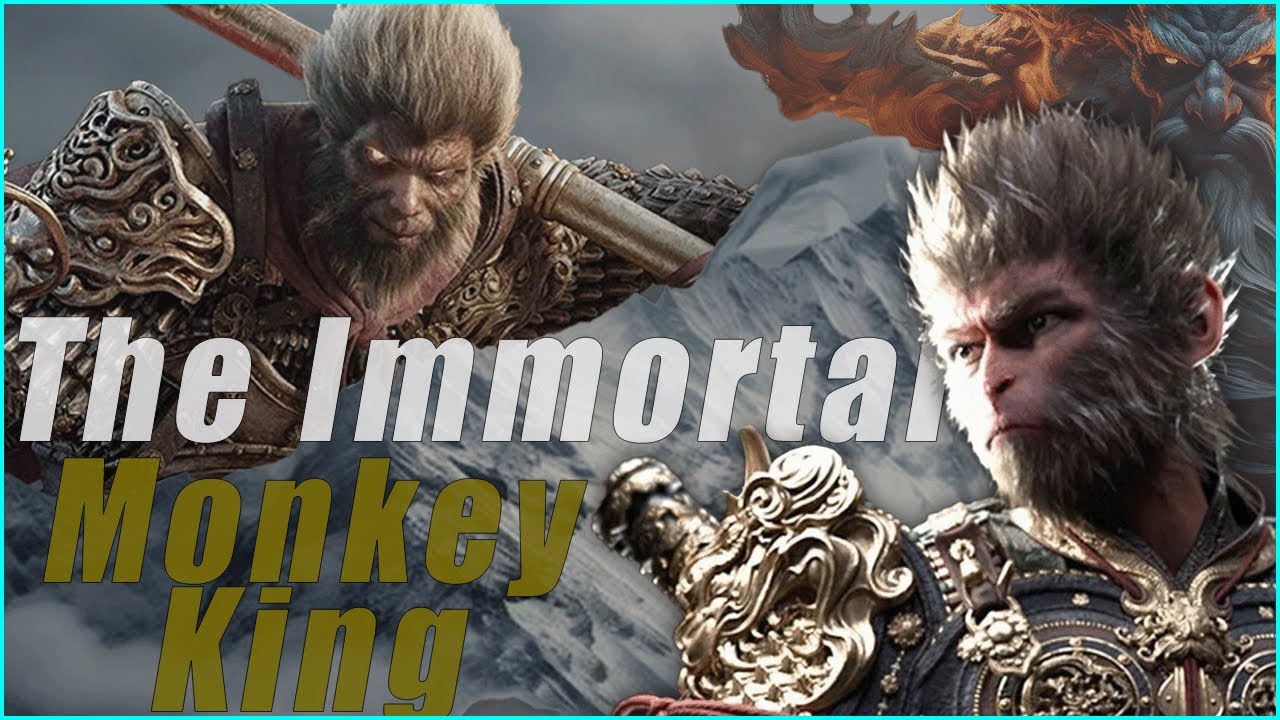
Birth of Sun Wukong
Sun Wukong, also known as the Monkey King, is a central character in the classic Chinese novel “Journey to the West.” His birth is quite extraordinary. In the novel, Sun Wukong is a monkey born from a stone who acquires supernatural powers through Taoist practices.
From the moment of his birth, Monkey King exhibits extraordinary abilities. He quickly learns to walk and speak, and he soon gathers a group of monkey followers. The monkeys, impressed by his intelligence and strength, recognize him as their leader.
Monkey King’s Early Life
As a young monkey, Sun Wukong is adventurous and curious. He explores the world around him, seeking knowledge and power. His early life is marked by a desire to become immortal and to gain respect. To achieve this, he embarks on a journey to learn martial arts and magical skills.
Training with the Taoist Master:
He continues on and into a forest. The Monkey King hears a woodcutter singing an interesting song. Curious, the Monkey King asks the woodcutter about the song’s origin. The woodcutter reveals that an old hermit living in the mountains taught it to him.
Intrigued, Sun Wukong asks how to find the hermit. The woodcutter points out a narrow path through the forest but warns that the journey may be difficult. Undeterred, the Monkey King sets off, eager to learn.
Sun Wukong, known as “Monkey Awakened to the Void/Emptiness,” eventually encounters a Taoist master named Bodhi. Under Bodhi’s guidance, he learns various magical techniques, including the remarkable “72 Transformations,” which grant him the ability to transform into different beings and objects at will. He then forbids Sun Wukong from ever revealing who it was that taught him, and the loyal Monkey King promises never to reveal the identity of his Master.
Rebellion Against Heaven:
After mastering his skills, the Monkey King, Sun Wukong, becomes increasingly arrogant and challenges the authority of the heavens. In response, Guanyin sends Muzha to confront him, but Muzha is quickly defeated.
Realizing the situation’s seriousness, Guanyin suggests that Erlang Shen, the Jade Emperor‘s nephew, fight Sun Wukong. Wukong and Erlang are evenly matched and eventually, both turn into terrifying figures, which scares Wukong’s monkey army away. The two engage in an epic battle, but Wukong’s rebellious nature disrupts the celestial order.
Ultimately, his defiance leads to his capture by the Buddha, marking a crucial turning point in Wukong’s journey as he begins to learn valuable lessons about humility and strength.
Imprisonment and Redemption:
The Monkey King remains imprisoned in stocks for five hundred years, to “learn patience and humility”. The Buddha arranges two earth spirits to feed the Monkey King iron pellets when he is hungry, and molten copper when he is thirsty. Eventually, he is released to accompany the monk Xuánzàng on the pilgrimage to retrieve Buddhist scriptures, which serves as the main plot of “Journey to the West.”
Sun Wukong’s Abilities and Powers
Sun Wukong, Handsome Monkey King, is renowned for his supernatural powers, which make him a formidable figure in both the mortal world and heaven. His abilities are a mix of martial prowess and magical talents, showcasing his evolution from a mere stone monkey to the Great Sage Equal to Heaven.

72 methods of transformation
One of Sun Wukong’s most remarkable skills is his mastery of the 72 Transformations (or 72 Bian). This ability allows him to change his shape and appearance at will, enabling him to transform into various beings and objects. Here are some key aspects:
- Diverse Forms: Sun Wukong, Handsome Monkey King, can take on the guise of animals, inanimate objects, and even other celestial beings. This versatility makes him a formidable opponent and an excellent strategist.
- Deception: His transformations are often used for trickery and deception, allowing him to outsmart foes and escape dangerous situations.
- Limitations: While incredibly powerful, his transformations can be undone by strong magical forces, and he must maintain his focus to sustain them.
The Magic Staff (Ruyi Jingu Bang)
The Ruyi Jingu Bang is Sun Wukong’s iconic weapon, a magical staff that plays a crucial role in his adventures. Key features include:
- Size Manipulation: The staff can change size according to Sun Wukong’s will. It can shrink to the size of a needle, allowing him to carry it behind his ear, or expand to immense proportions to crush enemies.
- Unmatched Strength: The staff is incredibly heavy, and only Sun Wukong can wield it effectively. Its power enhances his physical abilities, making him a formidable fighter.
- Indestructibility: The Ruyi Jingu Bang is virtually indestructible, allowing Sun Wukong to use it in various combat situations without fear of breaking it.
Immortality and Other Powers
Sun Wukong possesses several powers that contribute to his legendary status, particularly his quest for immortality:
Immortality: Through rigorous training and consuming various elixirs, Sun Wukong achieves a form of immortality. He learns to evade death by obtaining several forms of immortality, including:
- Eating the Peaches of Immortality: These peaches grant eternal life and rejuvenation.
- Drinking the Elixir of Immortality: This potion enhances his powers and grants him further protection against death.
Enhanced Strength and Speed: Sun Wukong possesses superhuman strength and agility, allowing him to perform incredible feats, such as leaping great distances and overpowering formidable foes.
Magical Abilities: Beyond transformation, he wields various magical powers, including:
- Cloud Riding: He can travel on clouds, allowing him to traverse great distances quickly.
- Divination and Illusions: Sun Wukong can create illusions and manipulate perceptions, often confusing his enemies.
Combat Skills: His training under Bodhi makes him an expert in martial arts, combining physical prowess with his magical abilities to dominate in battles.
Havoc in Heaven: The Monkey King’s Rebellion
After mastering various magical skills and achieving immortality, Sun Wukong becomes increasingly proud and ambitious. He feels that he deserves recognition and respect from the heavenly beings, especially after being treated as a mere monkey. His desire for power leads him to challenge the authority of Heaven itself.

Seeking Recognition
- Sun Wukong’s journey towards rebellion begins when he demands a title and a place among the celestial beings. He approaches the Jade Emperor, the ruler of Heaven, seeking acknowledgment for his accomplishments.
- The Jade Emperor, underestimating the Monkey King as just a creature from the mortal realm, offers him a minor title: “Protector of the Horses.” This insult fuels Sun Wukong’s anger and resentment.
The Banquet in Heaven
- Sun Wukong discovers every important god and goddess has been invited to the banquet except for him. Feeling slighted, Sun Wukong’s anger grows. He decides to confront the gods at the banquet.
- During the preparations for the Royal Banquet, Sun Wukong sneaks into the Heavenly Palace to sample the fine foods and drink the royal wine. Tipsy from his indulgence, the Monkey King roams Heaven, causing mischief as he explores the divine realm. While the gods and goddesses are on their way to the banquet, Sun Wukong crashes the celestial feast, devouring all the heavenly food and drink.
- In his state of drunkenness, Sun Wukong realizes he is at the top of the 33 layers of the heavenly palace. Seizing the opportunity, Sun Wukong steals Laozi’s Pills of Immortality and Xi Wangmu’s Peaches of Immortality, then takes the remainder of the Jade Emperor’s royal wine. His reckless actions set the stage for the chaos that follows, challenging the heavens themselves.
Defiance against the Celestial Army
- In retaliation for his perceived insult, Sun Wukong declares war on Heaven. He uses his magical abilities to summon his monkey army, leading them into battle against the celestial forces.
- During the conflict, he demonstrates his immense power, easily outmatching many of Heaven’s warriors with his combat skills and magical transformations.
Battles with the Deities
- Sun Wukong faces various celestial generals and deities, including Erlang Shen and Nezha. Each battle showcases his cunning, agility, and strength.
- Despite the efforts of the heavenly forces, Sun Wukong proves to be a formidable opponent, often escaping danger through his transformations or sheer skill.
Capture and Imprisonment
- The escalating chaos prompts the Buddha to intervene. He challenges Sun Wukong, leading to a climactic battle that ultimately results in the Monkey King’s defeat.
- The Buddha uses his wisdom to capture Sun Wukong by placing him under a mountain, where he remains imprisoned for 500 years as punishment for his rebellion.
Themes and Significance
- Rebellion Against Authority: Sun Wukong’s actions reflect a broader theme of defiance against established order. His struggle against celestial authority symbolizes the desire for recognition and respect.
- Pride and Consequences: The rebellion serves as a cautionary tale about pride and arrogance. Sun Wukong’s initial quest for power leads to his downfall, illustrating the potential consequences of unchecked ambition.
- Transformation and Redemption: While imprisoned, Sun Wukong undergoes a transformation in character. His experiences ultimately lead him to join the monk Xuánzàng on his pilgrimage, where he seeks redemption and a greater purpose.
Symbolism of Sun Wukong
Sun Wukong, the Monkey King, is a rich and multifaceted character in Chinese literature and culture. His journey in “Journey to the West” is loaded with symbolism that resonates on various levels. Here’s an exploration of the key symbols associated with Sun Wukong.

Symbol of Rebellion and Freedom
Defiance Against Authority:
Sun Wukong embodies the spirit of rebellion. His challenges against the Jade Emperor and the heavenly order represent a struggle for autonomy and self-determination. Monkey king refuses to be confined by societal norms and expectations, making him a symbol of resistance against oppression.
Breaking Boundaries:
His actions in “Havoc in Heaven” illustrate a desire to break free from the constraints imposed by authority figures. Sun Wukong’s rebellion resonates with those who seek to challenge the status quo and assert their individuality.
The Journey of Self-Discovery
Transformation and Growth:
Throughout his adventures, Sun Wukong undergoes significant personal growth. His initial arrogance and impulsiveness give way to wisdom and self-awareness. This journey mirrors the human experience of self-discovery, highlighting the importance of humility and understanding one’s place in the world. After attaining Buddhahood post-pilgrimage, he (possibly) has gained omniscience due to his position as the Victorious Fighting Buddha.
Quest for Redemption:
After being imprisoned, Sun Wukong’s path alongside Xuánzàng represents a quest for redemption. His role as a protector and guide reflects the journey one must take to overcome past mistakes and grow as an individual.
Cultural Symbolism
Representation of the Monkey:
In Chinese culture, monkeys are often seen as clever and mischievous creatures. Sun Wukong amplifies these traits, symbolizing intelligence, agility, and resourcefulness. His character reflects the duality of human nature – capable of both good and mischievous behavior.
Embodiment of Daoist and Buddhist Ideals:
Sun Wukong’s character incorporates elements of both Daoism and Buddhism. His quest for immortality aligns with Daoist pursuits, while his eventual role as a disciple of Xuánzàng reflects Buddhist principles of selflessness and enlightenment.
Cultural Icon:
Over the centuries, Sun Wukong has become a beloved cultural icon in Chinese folklore, literature, and popular media. His character has transcended time, inspiring numerous adaptations in literature, film, and art, making him a symbol of resilience and creativity.
The Great Impact of Sun Wukong
Sun Wukong, the Monkey King, has had a profound impact both within Chinese culture and globally. His character, stories, and themes resonate across various aspects of society, from literature to popular media. Here’s a detailed look at this impact.
Music and Film
Sun Wukong has inspired a variety of musical compositions, including traditional Chinese operas and modern adaptations. His character often appears in operatic performances, where his antics and adventures are conveyed through song and dance. Contemporary musicians and composers have also drawn from his story, creating pieces that capture his heroic spirit and mischievous nature, making him a popular figure in both traditional and modern music.

The Monkey King has been featured in countless films and television series, spanning different genres and styles. His character often embodies themes of adventure, bravery, and resilience, making him a compelling figure in storytelling across various media.
Language Learning
Sun Wukong serves as a gateway for many to explore the Chinese language and culture. His stories are often included in language learning curricula, providing learners with engaging narratives that enrich their understanding of idiomatic expressions, cultural references, and moral lessons. As students delve into the tales of the Monkey King, they gain insights into Chinese values, traditions, and folklore.

Wukong Chinese Classes offers a wealth of learning resources. These classes incorporate various stories and themes from the epic, allowing students to immerse themselves in the language while exploring the rich cultural context. The curriculum is designed to make learning engaging and relevant, helping students build a strong foundation in Chinese through the captivating adventures of Sun Wukong.
Learn authentic Chinese from those who live and breathe the culture.
Specially tailored for kids aged 3-18 around the world!
Get started free!Video Games
Sun Wukong’s impact on the gaming industry is significant, particularly with the upcoming title “Black Myth: Wukong.” This action RPG is set to bring the Monkey King’s story to a global audience with stunning visuals and intricate gameplay that highlights his powers and transformations.

Players will experience the rich lore of Chinese mythology through immersive storytelling, engaging combat mechanics, and beautiful environments. The game not only aims to entertain but also to elevate Sun Wukong’s character in the context of modern gaming, showcasing his enduring relevance and appeal.
Best Sun Wukong Movies & Shows for Kids
Watching shows is a great way to learn Chinese through stories and culture. Here are some top picks:
This is a household-name classic television series in China.
1. Journey to the West (1986 TV series)
It comprehensively depicts the entire life trajectory of Sun Wukong—from his birth as a stone monkey and his “Uproar in Heaven” to his complete journey to the West to retrieve the scriptures.
The dialogue is accessible and easy to understand, while the fight scenes are spectacular yet non-violent.

Why it’s good for learning Chinese:
The series upholds positive moral values, vividly showcasing Sun Wukong’s traits of loyalty, kindness, and courage.
It is an ideal resource for children to gain a comprehensive understanding of the complete pilgrimage narrative—an absolute must-watch for anyone beginning their journey into the culture of Journey to the West.
2. Uproar in Heaven (1964)
Focusing on the early exploits of Sun Wukong, from his miraculous birth from a stone, to his punishment under the mountain.
He engages in fierce clashes with the heavenly hosts. His eats peaches of immortality, drinks celestial wines, and elixirs of longevity—ultimately igniting a massive uproar throughout the Celestial Realm.

Why it’s good for learning Chinese:
With a storyline free of complex or obscure elements, it is easily understood even by young children.
It allows kids to both appreciate the charm of traditional art and quickly familiarize themselves with the highlights of Sun Wukong’s legendary tales.
3. Monkey King: Hero Is Back
After long held under a seal, Sun Wukong is unexpectedly awakened by a young boy.
He subsequently embarks on an adventure alongside the boy to confront evil forces, rediscover his lost powers and original purpose, and ultimately achieve self-redemption and personal growth.

Why it’s good for learning Chinese:
The art style is visually striking and resonates with the modern aesthetic sensibilities of today’s children
It not only allows them to experience the immense power of Sun Wukong but also enables them to grasp the deeper meanings of growth, guardianship, and kindness.
4. The Monkey King
An original animated series created specifically for children.
The entire story revolves around the growth of Sun Wukong, recounting his journey as he faces various challenges while steadfastly upholding justice and bravely forging ahead.

Why it’s good for learning Chinese:
Featuring conversational language and a fragmented narrative style, it is particularly well-suited for very young children, making it easy for them to form an initial understanding of Sun Wukong.
Chinese Words, Idioms & Sayings About Sun Wukong
Chinese Words about Sun Wukong
| Words | Pinyin | Meaning |
|---|---|---|
| 孙悟空 | Sūn Wùkōng | The Monkey King, the core figure in Chinese classic mythology “Journey to the West”, with powerful magic powers. |
| 美猴王 | Měi Hóu Wáng | The title of Sun Wukong when he ruled over the Flower and Fruit Mountain, meaning the beautiful monkey king. |
| 齐天大圣 | Qí Tiān Dà Shèng | The title claimed by Sun Wukong, meaning he is equal to the Jade Emperor in heaven, showing his unrestrained spirit. |
| 如意金箍棒 | Rú Yì Jīn Gū Bàng | Sun Wukong’s magic weapon, which can be freely enlarged or reduced according to his will. |
| 紧箍咒 | Jǐn Gū Zhòu | A magic spell chanted by Tang Sanzang to control Sun Wukong, symbolizing constraints and rules. |
| 毫毛 | Háo Máo | Sun Wukong’s hair, which can be transformed into clones or various things with his magic power. |
| 花果山 | Huā Guǒ Shān | Sun Wukong’s birthplace and home, a fairy mountain full of flowers and fruits, where he ruled over monkeys. |
Chinese Idioms(chengyu) about Sun Wukong
| Idioms | Pinyin | Meaning |
|---|---|---|
| 大闹天宫 | Dà Nào Tiān Gōng | Originally referring to Sun Wukong’s act of breaking into the Heavenly Palace and disturbing order. Later metaphoring a massive rebellion or disturbance. |
| 事不过三 | Shì Bù Guò Sān | Derived from the allusion that Sun Wukong was expelled by Tang Sanzang after fighting the White Bone Demon three times. Now it means mistakes or opportunities should not exceed three times. |
| 神通广大 | Shén Tōng Guǎng Dà | Describing extraordinary abilities, especially Sun Wukong’s 72 transformations and cloud somersault.Later describing people with outstanding abilities and many methods. |
| 火眼金睛 | Huǒ Yǎn Jīn Jīng | Originally referring to the special ability obtained by Sun Wukong after being tempered in the Eight Trigrams Furnace, which can be seen through the disguise of monsters.Later metaphoring a sharp eye that can see the essence of things. |
| 腾云驾雾 | Téng Yún Jià Wù | Originally referring to Sun Wukong’s ability to fly on clouds. Later metaphoring rapid movement or wandering thoughts. |
| 抓耳挠腮 | Zhuā Ěr Náo Sāi | Describing a state of anxiety, restlessness or helplessness, often used to depict Sun Wukong’s anxious look when he encounters difficulties. |
| 西天取经 | Xī Tiān Qǔ Jīng | Originally referring to the journey of Tang Sanzang, Sun Wukong and other disciples to Western Heaven to obtain Buddhist scriptures.Later metaphoring a difficult and meaningful pursuit. |
| 斩妖除魔 | Zhǎn Yāo Chú Mó | Originally referring to Sun Wukong’s act of killing monsters and eliminating evil forces.Later metaphoring eliminating bad forces and upholding justice. |
| 刚正不阿 | Gāng Zhèng Bù ē | Originally referring to Sun Wukong’s character of upholding justice and not engaging in nepotism.Later describing people who are upright and do not cater to power. |
Sayings
| Sayings | Pinyin | Meaning |
|---|---|---|
| 孙悟空大闹天宫——天翻地覆 | Sūn Wùkōng dà nào tiān gōng —— tiān fān dì fù | Describing a situation of great chaos and upheaval, derived from Sun Wukong’s disturbance in the Heavenly Palace. |
| 孙悟空翻筋斗——十万八千里 | Sūn Wùkōng fān jīn dǒu —— shí wàn bā qiān lǐ | Metaphoring a fundamental leap in solving problems, referring to Sun Wukong’s ability to flip 108,000 miles with one somersault. |
| 孙猴子的脸——说变就变 | Sūn hóu zi de liǎn —— shuō biàn jiù biàn | Referring to sudden changes in the weather, and also metaphoring people’s fickle attitudes. |
| 花果山的猴子——无法无天 | Huā guǒ shān de hóu zi —— wú fǎ wú tiān | Satirizing lawless behaviors in reality, as the monkeys on Flower and Fruit Mountain were unrestrained under Sun Wukong’s rule. |
| 孙悟空的毫毛——随变(便) | Sūn Wùkōng de háo máo —— suí biàn | A homophonic pun, meaning to be casual or flexible, derived from Sun Wukong’s ability to transform his hair at will. |
| 十八罗汉斗悟空——各显神通 | Shí bā luó hàn dòu wù kōng —— gè xiǎn shén tōng | Describing a competitive situation where all parties show their unique abilities. |
| 孙悟空赴蟠桃会——不请自到 | Sūn Wùkōng fù pán táo huì —— bù qǐng zì dào | Referring to an uninvited guest or someone who takes the initiative to seize opportunities, derived from Sun Wukong crashing the Peach Banquet in heaven. |
| 孙悟空借芭蕉扇——一物降一物 | Sūn Wùkōng jiè bā jiāo shàn —— yī wù xiáng yī wù | Explaining that there is a restrictive relationship between things, meaning each thing has its own countermeasure. |
If you want to learn more idioms and sayings, come to Wukong Chinese to unlock more knowledge!
Learn authentic Chinese from those who live and breathe the culture.
Specially tailored for kids aged 3-18 around the world!
Get started free!
Master’s degree in International Chinese Education from Peking University. Dedicated to the field of Chinese language education, with 7 years of experience as an international Chinese language teacher.


![70+ Chinese Proverbs in Chinese: Famous Sayings & Quotes [with Meaning and Translation]](https://wp-more.wukongedu.net/blog/wp-content/uploads/2025/03/image-352-520x293.png "70+ Chinese Proverbs in Chinese: Famous Sayings & Quotes [with Meaning and Translation]")

![115 Heartfelt Merry Christmas Wishes & Greetings [2025]](https://wp-more.wukongedu.net/blog/wp-content/uploads/2024/12/Merry-Christmas-Wishes-520x293.jpeg "115 Heartfelt Merry Christmas Wishes & Greetings [2025]")


Comments0
Comments