

18 Creatures in Chinese Mythology & Their Meaning


Chinese culture has a rich and diverse mythological tradition. Many stories and beings have been passed down through generations. These fascinating tales feature creatures in Chinese mythology. In this article, we will explore 18 famous and intriguing Chinese mythical creatures. Let’s discover their meanings and cultural significance.
Learning Chinese is becoming a smart move for kids worldwide. Founded in Silicon Valley in 2016, WuKong Chinese offers fun, engaging online courses for kids aged 3–18. These classes help children explore fascinating creatures in Chinese mythology.
4 Great Divine Animal Creatures in Chinese Mythology
Learn authentic Chinese from those who live and breathe the culture.
Specially tailored for kids aged 3-18 around the world!
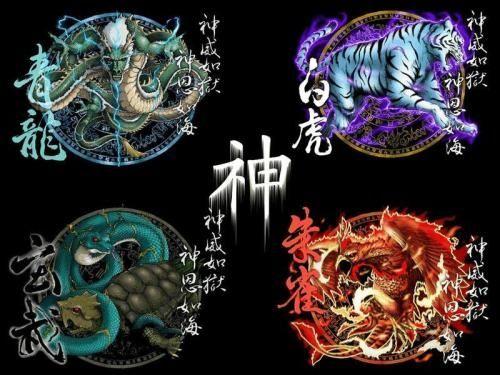
Get started free!Animals have always held a special place in creatures in Chinese mythology list. These animal symbols are deeply ingrained in the culture. And have been used to represent everything from virtues to birth years.In ancient China most Yaoxie tremble with fear and almighty of the four sacred animal is the Dragon, White Tiger, Suzaku, basalt of the four beasts.
1.Azure Dragon (Qinglong)
Meaning: As one of the Four Symbols, the Azure Dragon represents the East, spring, and vitality. It symbolizes power, strength, and protection.
Story: Known as a guardian of the East, the Azure Dragon is a powerful figure in Chinese mythology. It is often associated with the emperor and serves as a protector of the land, controlling rainfall and storms.

2.White Tiger (Baihu)
Meaning: The White Tiger represents the West, autumn, and strength. It is a symbol of bravery, protection, and ferocity.
Story: As a guardian of the West, the White Tiger is part of the Four Symbols, often seen as a protector of both the mortal and celestial realms. It is known for its fierceness in battle and as a symbol of martial prowess.

3.Rosefinch (Zhuque)
Meaning: This mythical bird symbolizes the South, summer, and fire. It embodies beauty, grace, and transformation.
Story: As the guardian of the South, the Rosefinch is often associated with fire and the sun. In Chinese mythology, it represents the changing seasons and the power of rebirth, flourishing during summer and representing hope and vitality.

4.Black Tortoise (Xuanwu)
Meaning: The Black Tortoise represents the North, winter, and water. It is a symbol of endurance, stability, and protection.
Story: In Chinese mythology, the Black Tortoise is a guardian of the North and is often depicted as a peaceful and wise creature. It is said to protect the realm from negative forces and represent the enduring power of water and nature.

4 Best Fortune Creature in Chinese Mythology
1. Qilin
Meaning:Qilin symbolizes good fortune, prosperity, and benevolence. It is considered a bringer of peace and blessings, often associated with the arrival of wise rulers or sages.
Story: In Chinese mythology, Qilin is known to appear only during times of peace and virtue. It is said to have been present at the birth of Confucius, representing a divine blessing for the wise and righteous.

2. Pi Xiu
Meaning: The Pi Xiu is believed to be a powerful protector, attracting wealth and fortune. It is often regarded as a symbol of prosperity, guarding against evil spirits.
Story: Often used in Feng Shui,Pi Xiu is said to devour gold and silver, but never regurgitate it. This unique trait makes it a powerful symbol for wealth accumulation and protection from misfortune.

3. Bai Ze
Meaning: Bai Ze symbolizes protection, wisdom, and the ability to ward off evil spirits. It is considered a guardian creature that helps guide individuals in their spiritual journey.
Story: According to legend, Bai Ze once shared its vast knowledge of the supernatural with the Yellow Emperor, teaching him how to protect the kingdom from evil spirits. Its appearance is seen as a sign of divine protection and enlightenment.

4. Chongming Bird
Meaning: This bird is a symbol of fortune, longevity, and harmony. In Chinese mythology, it is considered a bringer of good luck and an emblem of peaceful coexistence.
Story: The Chongming Bird is believed to be a guardian of sacred realms and a messenger between the earthly and celestial worlds. Its appearance signifies the arrival of auspicious times and the fulfillment of wishes.

List of 10 Typical Creatures in Chinese Mythology
Chinese mythology has existed for thousands of years. It has changed over time due to various dynasties, religions, and cultural influences. These myths feature gods, goddesses, immortals, monsters, and other supernatural beings. They play important roles in shaping Chinese culture and beliefs. Here are some of the most popular gods in Chinese mythology:
1.Jade Emperor

Meaning: The Jade Emperor is considered the ruler of heaven, earth, and all realms in Chinese mythology. He embodies ultimate order and justice.
Story: As the creator of the world, he oversees all deities and spirits, maintaining the balance and harmony of the universe.
2. Yin and Yang

Meaning: The concept of Yin and Yang highlights the duality in nature, with each force complementing and balancing the other.
Story: In Chinese mythology, the universe was created through the interaction of Yin and Yang, symbolizing the balance between opposites like light and dark, life and death.
3. Nezha

Meaning: Ne Zha represents bravery, independence, and rebellion. He is also a protector against evil forces.
Story: Born as a god but shunned by his parents, Ne Zha defied the gods and fought against them to protect his people, ultimately becoming a hero of Taoist lore.
4. Guanyin

Meaning: Guan Yin is the goddess of mercy and compassion, offering help to those in distress.
Story: Known for her vow to save all beings from suffering, she listens to the prayers of the troubled and guides them to peace.
5. Sun Wukong (Monkey King)
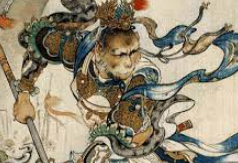
Meaning: Sun Wukong symbolizes intelligence, defiance, and strength. He is both a trickster and a protector.
Story: In Journey to the West, Sun Wukong rebels against the Jade Emperor, seeking immortality. His journey of redemption transforms him into a loyal and powerful ally to the monk Xuanzang.
6. Guan Yu

Meaning: Guan Yu is a symbol of loyalty, righteousness, and bravery, especially among warriors and businessmen.
Story: He was a general during the Three Kingdoms period and is revered for his unwavering loyalty to his brothers and his deep sense of justice.
7. Dragon

Meaning: The dragon is a symbol of strength, power, good fortune, and imperial authority.
Story: Dragons are believed to control the forces of nature, especially water, and are associated with the emperors of China as their divine protectors.
8. Phoenix(Fenghuang)

Meaning: The phoenix represents rebirth, renewal, and grace. It is the counterpart to the dragon, symbolizing harmony.
Story: When the phoenix dies, it bursts into flames and is reborn from the ashes, signifying transformation and eternal life.
9. Nüwa

Meaning: Nüwa is the goddess of creation, fertility, and protection. She is revered for repairing the heavens after they were damaged by a great catastrophe.
Story: After the heavens were shattered, Nüwa used five-colored stones to mend them, saving the world from destruction. She also created humans from clay.
10. Eight Immortals

Meaning: The Eight Immortals symbolize immortality and the idea that virtue and wisdom can lead to eternal life.
Story: These figures, each with their own legendary tale, achieved immortality through Taoist practices. They are known for helping people and representing different aspects of human nature.
Summary:
Creatures in Chinese Mythology is a fascinating topic. It delves into the rich and complex world of gods, creatures, and stories . And these mythical beings serve as a reflection of Chinese society and values.
Whether good or evil, these creatures continue to inspire people around the world. So, let us immerse ourselves in the fascinating world of Chinese mythology with meanings and stories. Happy exploring! If you still want to know more, you can click the link below, Wukong Education will continue to accompany your math learning!
WuKong Chinese Online Classes: The Global Choice Kids Love, Parents Trust
Founded in Silicon Valley in 2016, WuKong Education has served 300,000+ families across 118+ countries. Our online courses, for ages 3–18, help kids go from no knowledge to confident communication. They can also prepare for international exams like IB and HSK.
Why Families Choose WuKong Chinese:
- Age-Based, Level-Up Learning: This immersive curriculum includes listening, speaking, reading, and writing. It also weaves in Chinese culture throughout.
- Elite Teachers, Personal Guidance: Elite Teachers, Personal Guidance:Top 1% of teachers、76% hold a Master’s or higher、Multilingua、Offer one-on-one feedback
- Start Risk-Free: Enjoy a free trial class plus a personalized study plan. High-value, flexible online learning,because every child deserves this lifelong advantage!
FAQs About Creatures in Chinese Mythology
Q1: What are the female creatures in chinese mythology?
In Chinese mythology, female creatures often embody beauty, power, and mystery. Notable examples are the Fox Spirit (Huli Jing), a shape-shifting being famed for its charm and cleverness. Another is the White Snake (Bai She), which represents love and change. In Chinese mythology, these creatures have special powers. They symbolise change, protection, and the balance between good and evil. Other famous female mythical creatures are the Green Snake (Qing She). She is loyal but also mischievous, showing the complex nature of Chinese myths.
Q2: What are the most famous creatures in chinese mythology?
Some of the most famous creatures in Chinese mythology are the Azure Dragon, White Tiger, Rosefinch, and Black Tortoise. Together, they are called the Four Symbols. Other notable mythical creatures are the Qilin and the Bai Ze. These creatures in Chinese mythology hold great cultural importance. They appear in art and folklore, symbolising different virtues and natural forces. They continue to be central to Chinese mythical creatures and their symbolism.
Learn authentic Chinese from those who live and breathe the culture.
Specially tailored for kids aged 3-18 around the world!
Get started free!
Bella holds a Master’s degree from Yangzhou University and brings 10 years of extensive experience in K-12 Chinese language teaching and research. A published scholar, she has contributed over 10 papers to the field of language and literature. Currently, Bella leads the research and development of WuKong Chinese core courses, where she prioritizes academic rigor alongside student engagement and cognitive development. She is dedicated to building a robust foundation for young learners covering phonetics (Pinyin), characters, idioms, and classical culture while ensuring that advanced courses empower students with comprehensive linguistic mastery and cultural insight.


![China Phone Number: A Comprehensive Guide [2026 Updated]](https://wp-more.wukongedu.net/blog/wp-content/uploads/2024/01/image-162-最大宽度-1024-最大高度-768-520x293.webp "China Phone Number: A Comprehensive Guide [2026 Updated]")


![Spring Festival Couplets: A Timeless Chinese New Year Tradition [2026 Horse Year Updated]](https://wp-more.wukongedu.net/blog/wp-content/uploads/2025/01/jimeng-2026-02-11-6820-中国传统红色剪纸艺术,一匹造型优美的马,线条流畅,周围环绕着祥云、梅花和福字-520x293.webp "Spring Festival Couplets: A Timeless Chinese New Year Tradition [2026 Horse Year Updated]")


![Year of Monkey Chinese Zodiac [2026 Full Guide]](https://wp-more.wukongedu.net/blog/wp-content/uploads/2024/01/询问中文早上好的说法-22-520x293.png "Year of Monkey Chinese Zodiac [2026 Full Guide]")

Comments0
Comments