

Baobei Meaning Explained: A Guide to China’s Sweetest Nickname


Baobei (宝贝, bǎobèi) literally means “treasure” or “precious thing” in Chinese. In daily life, it is one of the most common and affectionate Chinese nicknames used for children, romantic partners, family members, and sometimes even close friends. If you have watched Chinese dramas, listened to Mandarin songs, or talked with native speakers, you have probably heard someone say “宝贝!”
But here’s the important part: baobei is more than just “baby” in Chinese. Depending on tone, relationship, and context, it can sound loving, playful, protective, or deeply emotional.
For many bilingual families and Mandarin learners, understanding the real baobei meaning helps conversations feel warmer and more natural. It also gives you a glimpse into how emotional closeness is expressed in Chinese culture.
Learn authentic Chinese from those who live and breathe the culture.
Specially tailored for kids aged 3-18 around the world!
Get started free!In this guide, you’ll learn:
- Cultural tips for sounding natural in Mandarin
- The literal meaning and pronunciation of 宝贝
- How Chinese people use baobei with kids, partners, and friends
- Real-life dialogue examples
- Common mistakes learners make
What Does Baobei Mean in Chinese?
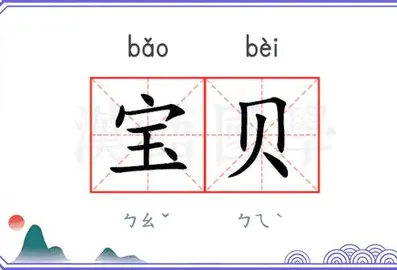
The Literal Meaning of 宝贝 (Bǎobèi)
The Chinese word 宝贝 is made up of two characters:
| Chinese | Pinyin | Literal Meaning |
|---|---|---|
| 宝 | bǎo | treasure, precious |
| 贝 | bèi | shell/money/valuable object |
Together, 宝贝 (bǎobèi) means:
- Treasure
- Precious one
- Darling
- Baby
- Sweetheart
In modern Mandarin, it is mainly used as a term of endearment.
Pronunciation Guide
宝贝 = bǎobèi
- bǎo → sounds like “bao” with a dipping third tone
- bèi → sounds like “bay” with a falling fourth tone
In Taiwan, it’s tone is usually softer, so you may also hear:
- 北鼻 (a playful slang version of “baby”)
Why Is “Baobei” So Popular in Chinese?
Chinese speakers often use affectionate nicknames to show emotional closeness. While English speakers may say:
- baby
- honey
- sweetheart
- darling
Mandarin speakers commonly use:
- 宝贝 (bǎobèi)
- 宝宝 (bǎobao)
- 亲爱的 (qīn’ài de)
Among them, baobei is one of the softest and most versatile expressions.
It feels:
- warm
- caring
- emotionally close
- playful but sincere
That’s why you hear it everywhere—from family conversations to romantic dramas to parenting videos online.
Main Uses of Baobei in Chinese
Baobei for Children
This is the most common and universally accepted use.
Parents, grandparents, and relatives often call children “宝贝” to express love and protection.
Examples
| Chinese | Pinyin | English Meaning |
|---|---|---|
| 宝贝,快来吃饭! | Bǎobèi, kuài lái chīfàn! | Sweetie, come eat! |
| 你是妈妈的宝贝。 | Nǐ shì māma de bǎobèi. | You are mommy’s precious one. |
| 我的宝贝孙女来了! | Wǒ de bǎobèi sūnnǚ lái le! | My precious granddaughter is here! |
Cultural Note:
Chinese parents often use affectionate nicknames much more frequently than English-speaking parents in daily conversation.

2. Baobei Between Romantic Partners
In relationships, baobei works similarly to “baby” or “darling.”
It is especially common among:
- young couples
- married partners
- long-distance couples texting online
Romantic Usage Table
| Chinese Expression | Meaning | Typical Situation |
|---|---|---|
| 宝贝,我想你了。 | Baby, I miss you. | Texting partner |
| 晚安,宝贝。 | Good night, babe. | Romantic conversation |
| 宝贝,你辛苦了。 | You worked hard, darling. | Emotional support |
Mini Dialogue:
- A: 宝贝,你到家了吗?Bǎobèi, nǐ dào jiā le ma? Baby, did you get home?
- B: 到啦,你别担心。Dào la, nǐ bié dānxīn. Yep, don’t worry.

Can Friends Say “Baobei”?
Sometimes—but carefully.
Close female friends may jokingly call each other 宝贝 online or in casual chats. However, it usually sounds:
- playful
- cute
- internet-style
- emotionally close
It is not appropriate for formal friendships or professional situations.
Example
| Chinese | English Meaning |
|---|---|
| 宝贝你今天太美了! | Girl, you look amazing today! |
| 谢谢宝贝~ | Thanks babe~ |
Important Tip
If you are not very close to someone, calling them “baobei” may sound overly intimate.
Baobei vs Other Chinese Nicknames
What’s the Difference?
| Word | Pinyin | Meaning | Tone/Feeling |
|---|---|---|---|
| 宝贝 | bǎobèi | baby, precious one | warm, affectionate |
| 宝宝 | bǎobao | baby, little darling | extra cute/playful |
| 亲爱的 | qīn’ài de | darling, dear | romantic/formal |
| 小可爱 | xiǎo kě’ài | cutie | playful |
| 宝 | bǎo | babe/bae | trendy internet slang |
Cultural Insight
Young Chinese speakers increasingly shorten 宝贝 to simply “宝” in texting.
Example:
- 宝,你吃饭了吗?
- Babe, did you eat yet?
This feels modern, cute, and internet-friendly.
Common Mistakes When Using “Baobei”
1. Using It in Formal Situations
Do NOT call:
- teachers
- coworkers
- strangers
- business contacts
“baobei.”
It sounds too intimate.
2. Assuming It Always Means “Baby”
While “baby” is the closest translation, baobei can also mean:
- treasured person
- precious child
- beloved family member
The emotional tone matters more than the literal word.
3. Overusing It
Native speakers usually use baobei naturally and emotionally—not every sentence.
Too much repetition can sound forced or unnatural.
Discover More Chinese Slang: Essential Guides & Meanings
| Keyword | Topic |
| 5201314 meaning | I love you in Chinese number code |
| what does dd meaning on social media | The meaning of “dd” on Chinese social platforms |
| 666 chinese slang | Cheering and praising someone’s awesome skills |
| wo ai ni meaning | The foundational way to say “I love you” |
| baobei meaning (this topic) | Calling someone “baby” or “babe” in Chinese |
| pokemon in chinese | Pop culture translation and names of Pokémon |
| yyds meaning | “Goat” (Greatest of All Time) in Chinese internet slang |
| ma ma hu hu meaning | The classic idiom for “so-so” or “mediocre” |
| what does kitty mean in chinese | Slang, pet names, and cultural meanings of “kitty” |
| xswl meaning | Internet acronym for “laughing out loud” (LOL) |
FAQ About Baobei Meaning
Baobei (宝贝) means “treasure,” “precious one,” “baby,” or “darling.” It is commonly used as an affectionate nickname in Mandarin Chinese.
Sometimes. Couples often use baobei romantically, but parents also use it for children. The meaning depends on context and relationship.
Only if you are very close. Among close friends, especially online, it can sound playful and affectionate. Otherwise, it may feel too intimate.
Not exactly. “Baby” is the closest English translation, but baobei also carries the meaning of “treasured person” or “precious one.”
宝贝 sounds affectionate and versatile
宝宝 sounds cuter and more childlike
Both can mean “baby” or “darling.”
Final Thoughts
Understanding the real baobei meaning helps you sound more natural, emotionally expressive, and culturally aware in Mandarin Chinese. Whether you use it with your child, your partner, or while practicing Chinese conversation, 宝贝 is one of those words that instantly makes Mandarin feel warmer and more personal.
The best way to master affectionate Chinese expressions is to hear them in real conversations, practice them naturally, and understand the cultural feeling behind the words.
At Wukong Education, students learn practical Mandarin through engaging dialogue, family communication, storytelling, and interactive cultural lessons—so Chinese becomes a living language, not just vocabulary memorization.
Ready to learn more cute and natural Mandarin expressions? Explore Wukong Chinese classes and start speaking Chinese with confidence today.
Learn authentic Chinese from those who live and breathe the culture.
Specially tailored for kids aged 3-18 around the world!
Get started free!
Bella holds a Master’s degree from Yangzhou University and brings 10 years of extensive experience in K-12 Chinese language teaching and research. A published scholar, she has contributed over 10 papers to the field of language and literature. Currently, Bella leads the research and development of WuKong Chinese core courses, where she prioritizes academic rigor alongside student engagement and cognitive development. She is dedicated to building a robust foundation for young learners covering phonetics (Pinyin), characters, idioms, and classical culture while ensuring that advanced courses empower students with comprehensive linguistic mastery and cultural insight.


Comments0
Comments