

Good Night in Chinese: 15+ Ways to Say It Right (From Polite to Romantic)


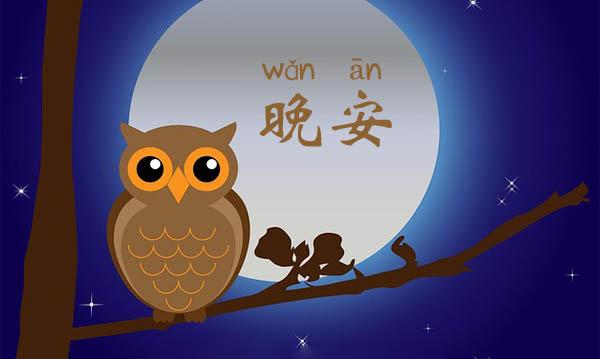
The simplest answer is 晚安 (wǎn ān). Still, learning how to say good night in Chinese goes far beyond one phrase. A respectful message to a teacher, a sweet text to your partner, and a casual “sleep early” to a friend all sound different in Mandarin.
Quick Reference: 15+ Ways to Say Good Night in Chinese
| Chinese | Pinyin | English | Best For |
|---|---|---|---|
| 晚安 | wǎn ān | Good night | Most situations |
| 祝您晚安 | zhù nín wǎn ān | Wish you good night | Elders, teachers, clients |
| 敬祝晚安 | jìng zhù wǎn ān | Respectfully wish good night | Formal writing |
| 早点休息 | zǎo diǎn xiū xi | Rest early | Friends, family |
| 早点睡 | zǎo diǎn shuì | Sleep early | Close friends, family |
| 睡个好觉 | shuì ge hǎo jiào | Have a good sleep | Casual, warm |
| 好好休息 | hǎo hǎo xiū xi | Rest well | Caring message |
| 好梦 | hǎo mèng | Sweet dreams | Texting, friends |
| 晚安,好梦 | wǎn ān, hǎo mèng | Good night, sweet dreams | Warm and natural |
| 做个好梦 | zuò ge hǎo mèng | Have a sweet dream | Friends, romantic |
| 安心睡吧 | ān xīn shuì ba | Sleep at ease | Reassuring |
| 晚安宝贝 | wǎn ān, bǎo bèi | Good night, baby | Partner, child |
| 亲爱的,晚安 | qīn ài de, wǎn ān | Good night, dear | Romantic |
| 安安 | ān ān | Night-night / GN | Cute texting |
| 晚安啦 | wǎn ān la | Good night then | Casual texting |
| 睡觉啦 | shuì jiào la | I’m going to sleep | Informal texting |
| 我去见周公了 | wǒ qù jiàn Zhōu Gōng le | I’m off to dreamland | Playful slang |
Ways to Say Good Night in Mandarin Chinese
1.晚安 (Wǎn’ān)
- Pinyin: wǎn’ān
- Meaning: Goodnight
- Usage: 晚安 (wǎn’ān) is the most common and standard way to say goodnight in Chinese. It is versatile and can be used in both casual and formal settings. Whether you’re saying good night to a friend, family member, or even a colleague, wǎn’ān is always appropriate. It’s a straightforward, polite phrase, often used in a friendly manner. For a Good night love message in Chinese, you can say “晚安,亲爱的” (wǎn’ān, qīn’ài de), which means “Goodnight, my dear.”
2.安睡 (Ānshuì)
- Pinyin: ānshuì
- Meaning: Peaceful sleep
- Usage: 安睡 (ānshuì) literally translates to “peaceful sleep.” This phrase is a gentle and affectionate way to wish someone a restful night. It’s a great choice if you want to convey care or affection in your good night wishes in Chinese. For example, “安睡吧,我的朋友” (ānshuì ba, wǒ de péngyǒu) means “Sleep peacefully, my friend.” It’s a more intimate and nurturing phrase, often used with loved ones. If you’re looking for a cute goodnight wish in Chinese, you might say, “安睡,宝贝” (ānshuì, bǎobèi) which translates to “Sleep peacefully, darling.”
3.睡个好觉 (Shuì gè hǎo jiào)
- Pinyin: shuì gè hǎo jiào
- Meaning: Have a good sleep
- Usage: 睡个好觉 (shuì gè hǎo jiào) is a casual and friendly phrase, often used between close friends and family. It means “Have a good sleep” and is an informal way to wish someone a restful night. It’s ideal for those looking for a cute goodnight wish in Chinese. A sample usage could be, “睡个好觉,明天见!” (shuì gè hǎo jiào, míngtiān jiàn) — “Have a good sleep, see you tomorrow!”
4.早点休息 (Zǎodiǎn xiūxí)
- Pinyin: zǎodiǎn xiūxí
- Meaning: Rest early
- Usage: When you want to encourage someone to get enough rest, use 早点休息 (zǎodiǎn xiūxí), which means “Rest early.” It’s a phrase often used by parents, teachers, or older friends. For a more good night and sweet dreams in Chinese vibe, you can say, “早点休息,做个甜美的梦” (zǎodiǎn xiūxí, zuò ge tiánměi de mèng), which translates to “Rest early and have a sweet dream.”
5. 好梦成真 (Mèngxiǎng chéng zhēn)
- Pinyin: mèngxiǎng chéng zhēn
- Meaning: May your dreams come true
- Usage: 好梦成真 (mèngxiǎng chéng zhēn) is a more poetic and thoughtful way of saying goodnight. It expresses the hope that the person’s dreams will come true. This phrase is ideal for a good night love message in Chinese or for someone you care deeply about. For example, “好梦成真,亲爱的” (mèngxiǎng chéng zhēn, qīn’ài de) means “May your dreams come true, my dear.”
6.轻轻入睡 (Qīngqīng rùshuì)
- Pinyin: qīngqīng rùshuì
- Meaning: Sleep peacefully
- Usage: 轻轻入睡 (qīngqīng rùshuì) means “sleep peacefully.” It’s a gentle, caring expression often used to wish someone a calm and restful night. This phrase is ideal for a cute goodnight wish in Chinese, especially for children or close friends. A tender example would be, “轻轻入睡,我的宝贝” (qīngqīng rùshuì, wǒ de bǎobèi) — “Sleep peacefully, my baby.”
7.晚安,好梦 (Wǎn’ān, hǎo mèng)
- Pinyin: wǎn’ān, hǎo mèng
- Meaning: Goodnight, sweet dreams
- Usage: This phrase is a simple yet sweet way to say goodnight and wish someone sweet dreams in Chinese. It’s perfect for both casual and affectionate situations. For a Good night love message in Chinese, you could say, “晚安,好梦,亲爱的” (wǎn’ān, hǎo mèng, qīn’ài de) — “Goodnight, sweet dreams, my dear.”
8.晚安,甜蜜梦乡 (Wǎn’ān, tiánmì mèngxiǎng)
- Pinyin: wǎn’ān, tiánmì mèngxiǎng
- Meaning: Goodnight, sweet dreams
- Usage: 晚安,甜蜜梦乡 (wǎn’ān, tiánmì mèngxiǎng) is an even sweeter way to say “Goodnight” and “sweet dreams” in Chinese. The word 甜蜜 (tiánmì) means “sweet,” and 梦乡 (mèngxiǎng) refers to the land of dreams. This phrase is perfect for romantic relationships or close friendships. For a good night and sweet dreams in Chinese, you can use this phrase when bidding someone a heartfelt goodnight.
9.闭上眼睛 (Bì shàng yǎnjīng)
- Pinyin: bì shàng yǎnjīng
- Meaning: Close your eyes
- Usage: 闭上眼睛 (bì shàng yǎnjīng) literally means “close your eyes,” and it implies that it’s time to sleep. This is often used in casual situations or when you’re directly telling someone to sleep. It’s perfect when giving a cute goodnight wish in Chinese to someone you care about. An example would be, “闭上眼睛,晚安!” (bì shàng yǎnjīng, wǎn’ān) — “Close your eyes, goodnight!”
How to Say Goodnight in Chinese (Formal & Informal)
Mandarin Chinese is the standard dialect of Chinese and is spoken by the majority of people in China. The phrases mentioned above are all in Mandarin Chinese, so you can use them to say goodnight to anyone in China. However, there are also different dialects within China, and each has its unique way of saying goodnight. Let’s take a look at some of them:
1.Goodnight in Cantonese 广东话 (Guǎngdōnghuà)
In the Cantonese dialect, you can say 晚安 (Wán’ōn) to wish someone a good night.
Learn authentic Chinese from those who live and breathe the culture.
Specially tailored for kids aged 3-18 around the world!
Get started free!2.Goodnight in Hokkien福建话 (Fújiànhuà)
In the Hokkien dialect, you can use 安 (An) or 睡好 (Shuì hǎo) to say goodnight.
3.Goodnight in Taiwanese台湾话 (Táiwānhuà)
In the Taiwanese dialect, you can say 晚安啦 (Wǎn’ān la) or 睡了啦 (Shuì le la) to wish someone a good night.
4.Goodnight in Shanghainese上海话 (Shànghǎihuà)
In the Shanghainese dialect, you can use 好梦 (Hǎo mèng) which means ‘same old rules’ but is used as a farewell phrase.
5.Goodnight in Sichuan四川话 (Sìchuānhuà)
In the Sichuan dialect, you can say 晚安哦 (Wǎn’ān ó) , which means ‘gently fall asleep’.
6.Goodnight in Northeastern东北话 (Dōngběihuà)
In the Northeastern dialect, you can use 睡得好吗?(Shuì de hǎo ma?), which means ‘did you sleep well?’.
| Dialect | Meaning | Pinyin | Phrase |
| Cantonese | Goodnight | wán’ōn | 晚安 |
| Hokkien | Goodnight | ān / shuì hǎo | 安 / 睡好 |
| Taiwanese | Goodnight | wǎn’ān la / shuì le la | 晚安啦 / 睡了啦 |
| Shanghainese | Sweet dreams / Farewell | hǎo mèng | 好梦 |
| Sichuanese | Gently fall asleep | wǎn’ān ó | 晚安哦 |
| Northeastern | Did you sleep well? | shuì de hǎo ma? | 睡得好吗? |
Bedtime Vocabulary: Saying Goodnight in Chinese
| Chinese | Pinyin | English | Example |
|---|---|---|---|
| 夜晚 | yè wǎn | night | 夜晚很安静。Yè wǎn hěn ān jìng. The night is quiet. |
| 月亮 | yuè liang | moon | 月亮很亮。Yuè liang hěn liàng. The moon is bright. |
| 枕头 | zhěn tou | pillow | 枕头很软。Zhěn tou hěn ruǎn. The pillow is soft. |
| 被子 | bèi zi | blanket | 盖好被子。Gài hǎo bèi zi. Cover yourself with the blanket. |
| 床 | chuáng | bed | 我想上床睡觉。Wǒ xiǎng shàng chuáng shuì jiào. I want to go to bed. |
| 睡衣 | shuì yī | pajamas | 我穿上睡衣了。Wǒ chuān shàng shuì yī le. I put on my pajamas. |
| 睡眠 | shuì mián | sleep | 好的睡眠很重要。Hǎo de shuì mián hěn zhòng yào. Good sleep is important. |
| 梦 | mèng | dream | 我做了一个梦。Wǒ zuò le yí ge mèng. I had a dream. |
| 闹钟 | nào zhōng | alarm clock | 我设了闹钟。Wǒ shè le nào zhōng. I set an alarm. |
| 入睡 | rù shuì | fall asleep | 我很快入睡了。Wǒ hěn kuài rù shuì le. I fell asleep quickly. |
| 睡前故事 | shuì qián gù shi | bedtime story | 她喜欢听睡前故事。Tā xǐ huān tīng shuì qián gù shi. She likes bedtime stories. |
| 失眠 | shī mián | insomnia | 我昨晚失眠了。Wǒ zuó wǎn shī mián le. I had insomnia last night. |
1.夜晚 (Yèwǎn): Evening / Night
- Usage: The word for “night” in general. You can use it when referring to the time of day. For example, “祝你度过一个愉快的夜晚” (zhù nǐ dùguò yīgè yúkuài de yèwǎn) – “Wish you a pleasant evening.”
2.月亮 (Yuèliàng): Moon
- Usage: The moon often symbolizes tranquility and peace. “月亮明亮,晚安” (yuèliàng míngliàng, wǎn’ān) means “The moon is bright, goodnight.”
3.枕头 (Zhěntou): Pillow
- Usage: A key element for a good night’s sleep. “枕头软软的,晚安” (zhěntou ruǎn ruǎn de, wǎn’ān) means “The pillow is soft, goodnight.”
4.被子 (Bèizi): Blanket
- Usage: Used for warmth and comfort. “盖好被子,晚安” (gài hǎo bèizi, wǎn’ān) – “Cover yourself with the blanket, goodnight.”
5.床 (Chuáng): Bed
- Usage: Essential for sleeping. “上床睡觉,晚安” (shàng chuáng shuìjiào, wǎn’ān) means “Go to bed, goodnight.”
6.闹钟 (Nàozhōng): Alarm clock
- Usage: Often a reminder to sleep. “关掉闹钟,晚安” (guān diào nàozhōng, wǎn’ān) – “Turn off the alarm clock, goodnight.”
7.睡前故事 (Shuì qián gùshì): Bedtime story
- Usage: A story to help you fall asleep. “晚安,宝贝,听睡前故事” (wǎn’ān, bǎobèi, tīng shuì qián gùshì) means “Goodnight, darling, listen to the bedtime story.”
8.入睡 (Rùshuì): Fall asleep
- Usage: The process of entering sleep. “快速入睡,晚安” (kuài sù rùshuì, wǎn’ān) means “Fall asleep quickly, goodnight.”
9.梦 (Mèng): Dream
- Usage: Often connected with good night and sweet dreams in Chinese. “做个甜美的梦” (zuò ge tiánměi de mèng) means “Have a sweet dream.”
10.失眠 (Shīmián): Insomnia
- Usage: The opposite of a good night’s sleep. “别失眠,晚安” (bié shīmián, wǎn’ān) means “Don’t have insomnia, goodnight.”
Goodnight Idioms in Chinese: Sound Like a Poet
夜深人静
Pinyin: yè shēn rén jìng
English: Deep night, everything is quiet
Example:
中文: 夜深人静的时候,我喜欢看书。
Pinyin: Yè shēn rén jìng de shí hou, wǒ xǐ huān kàn shū.
English: I like reading when the night is deep and quiet.
安然入梦
Pinyin: ān rán rù mèng
English: Enter dreams peacefully
Example:
中文: 愿你今晚安然入梦。
Pinyin: Yuàn nǐ jīn wǎn ān rán rù mèng.
English: May you enter dreams peacefully tonight.
夜以继日
Pinyin: yè yǐ jì rì
English: Day and night without stopping
Example:
中文: 他为了考试夜以继日地学习。
Pinyin: Tā wèi le kǎo shì yè yǐ jì rì de xué xí.
English: He studied day and night for the exam.
挑灯夜战
Pinyin: tiǎo dēng yè zhàn
English: Work or study late into the night
Example:
中文: 她今晚要挑灯夜战。
Pinyin: Tā jīn wǎn yào tiǎo dēng yè zhàn.
English: She has to work late into the night.
昼夜颠倒
Pinyin: zhòu yè diān dǎo
English: Day and night reversed
Example:
中文: 最近我昼夜颠倒,早上才睡。
Pinyin: Zuì jìn wǒ zhòu yè diān dǎo, zǎo shang cái shuì.
English: Recently my sleep schedule is reversed. I only sleep in the morning.


Common Mistakes When Saying Good Night in Chinese
- Mixing up 晚安 and 晚上好
Use 晚上好 as “good evening” when greeting someone. Use 晚安 when ending the night. - Saying 睡觉啦 to a teacher or boss
睡觉啦 is too casual. Use 祝您晚安 instead. - Calling everyone 宝贝
宝贝 is intimate. Use it for a partner or child, not a coworker. - Translating word by word
Do not say 好夜. The natural phrase is 晚安. - Ignoring tones
晚安 is wǎn ān, not wān ān. Tone matters. - Using poetic phrases in daily texts
愿你进入甜蜜梦乡 is beautiful, but too literary for everyday texting. Use 晚安,好梦.
More Basic Chinese Phrases You Must Learn
| Chinese Phrase | Description |
|---|---|
| goodnight in chinese (this article) | Different ways to say good night to friends, family, or children. |
| what’s up in Chinese | Casual greeting used among friends. |
| Thank You in Chinese | Express gratitude in formal and informal situations. |
| cheers in chinese | Toasting with friends or at a formal dinner. |
| good morning in chinese | Morning greeting for family, colleagues, or classmates. |
| hi in chinese | Saying hello in formal meetings or to friends. |
| i don’t know in chinese | Politely indicating you don’t have an answer. |
| im sorry in chinese | Apologizing for a minor mistake or a serious matter. |
| nice to meet you in chinese | First-time introduction in a casual or business setting. |
| okay in mandarin | Giving agreement, approval, or saying “It’s fine.” |
| please in chinese | Making a polite request. |
| what is your name in chinese | Asking someone’s name when you first meet them. |
Learn authentic Chinese from those who live and breathe the culture.
Specially tailored for kids aged 3-18 around the world!
Get started free!
Bella holds a Master’s degree from Yangzhou University and brings 10 years of extensive experience in K-12 Chinese language teaching and research. A published scholar, she has contributed over 10 papers to the field of language and literature. Currently, Bella leads the research and development of WuKong Chinese core courses, where she prioritizes academic rigor alongside student engagement and cognitive development. She is dedicated to building a robust foundation for young learners covering phonetics (Pinyin), characters, idioms, and classical culture while ensuring that advanced courses empower students with comprehensive linguistic mastery and cultural insight.


![How to Say Nice to Meet You in Chinese:15 Ways [Formal&Casual]](https://wp-more.wukongedu.net/blog/wp-content/uploads/2024/02/生成特定文字图片-2-520x293.png "How to Say Nice to Meet You in Chinese:15 Ways [Formal&Casual]")


![Best Tip for Exploring Chinese Classes Near Me [2025 Updated]](https://wp-more.wukongedu.net/blog/wp-content/uploads/2024/02/image-51-520x293.png "Best Tip for Exploring Chinese Classes Near Me [2025 Updated]")
![How to Say Merry Christmas in Chinese [With Audio Pronunciation]](https://wp-more.wukongedu.net/blog/wp-content/uploads/2023/12/image-30-520x293.jpeg "How to Say Merry Christmas in Chinese [With Audio Pronunciation]")
Comments0
Comments