

Mandarin Colors: 2026 Guide for Learners(50+ examples & game)


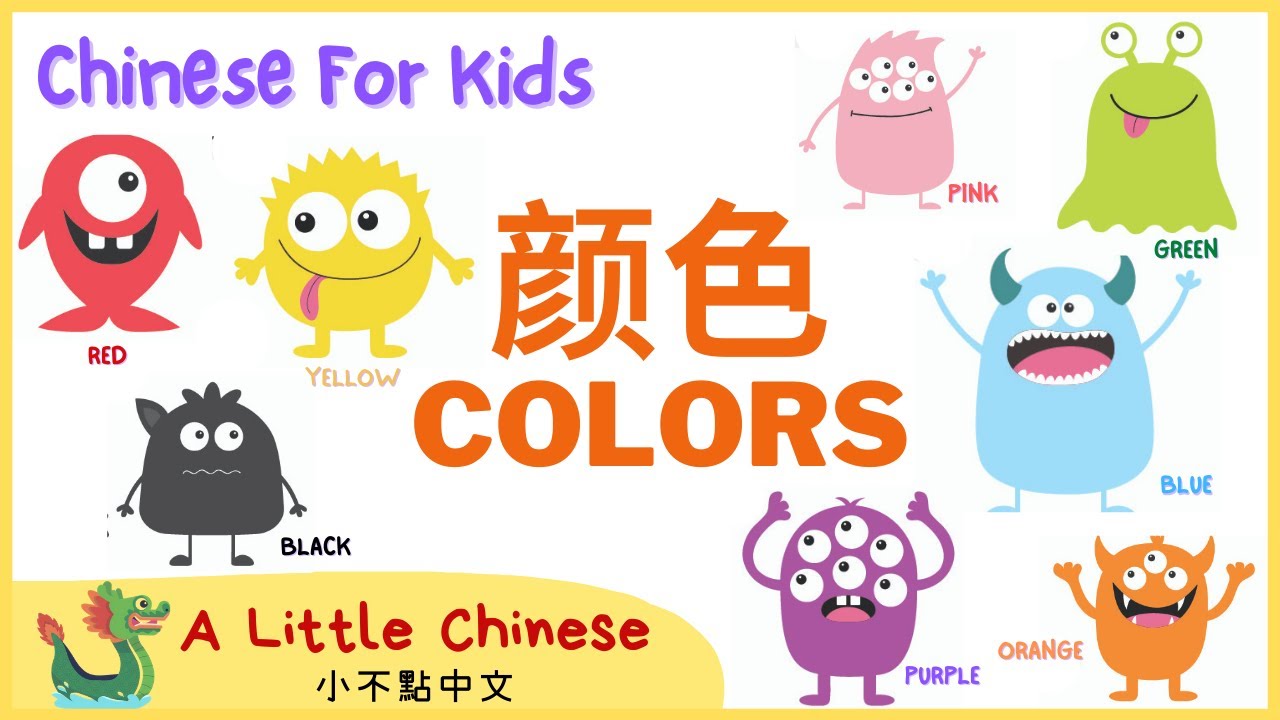
Have you ever wondered why red envelopes are given during Chinese New Year, or why brides often wear red instead of white? Dive into the colorful world of colors in Chinese (颜色 yánsè in Mandarin)! Learning these basic terms boosts your vocabulary and gives you insight into Chinese culture. Each color has a deep symbolic meaning.
Chinese Color Vocabulary: Pronunciation & Basic Usage
To learn colors in Chinese effectively, start with the basics. Most color terms end with 色 (sè), which literally means “color.” When describing objects, color words usually come before the noun and are often followed by 的 (de).
Here’s a handy list of the most common colors in Chinese:
Learn authentic Chinese from those who live and breathe the culture.
Specially tailored for kids aged 3-18 around the world!
Get started free!Colors in Chinese: Online Learning Tool (with Audio)
🌈 Chinese Colors Table
🎯 Click 🔊 to hear the pronunciation
| English Color | 中文词 | Pinyin | Example Sentence | Translation | 🔊 |
|---|---|---|---|---|---|
| Loading colors… | |||||
Practice saying these aloud—tones are key in Mandarin! Start with simple sentences like “这是什么颜色?” (Zhè shì shénme yánsè?) — What color is this?
Chinese Color Modifiers and Modern Colors
In Chinese, describing a color isn’t just about the basic rainbow. By adding specific prefixes or using modern loanwords, you can describe everything from “dusty rose” to “military green” with precision.
Common Color Modifiers (Shades & Intensity)
To modify a color in Chinese, you simply place the modifier before the color name.
| Modifier | Pinyin | Meaning | Example |
| 深 | shēn | Dark / Deep | 深蓝色 (Dark blue) |
| 浅 | qiǎn | Light / Pale | 浅绿色 (Light green) |
| 淡 | dàn | Pale / Light / Diluted | 淡黄色 (Pale yellow) |
| 鲜 | xiān | Bright / Vivid | 鲜红色 (Bright red) |
| 暗 | àn | Dull / Dark / Dim | 暗紫色 (Dull purple) |
| 亮 | liàng | Bright / Shiny | 亮橙色 (Bright orange) |
Modern and Specialized Color Terms
Modern Chinese has adopted many terms from fashion, nature, and loanwords. These are the words you’ll see while online shopping (Taobao/Tmall).
| Color Name | Pinyin | English | Literal Meaning / Note |
| 米色 | mǐ sè | Beige | “Rice color”; very common in fashion. |
| 卡其色 | kǎ qí sè | Khaki | Transliteration of “Khaki”. |
| 咖啡色 | kā fēi sè | Coffee / Brown | Standard term for brown in daily life. |
| 天蓝色 | tiān lán sè | Sky blue | Literally “Sky blue”. |
| 藏青色 | cáng qīng sè | Navy blue | Common in traditional and formal wear. |
| 酒红色 | jiǔ hóng sè | Wine red | Deep, elegant red. |
| 玫瑰红 | méi guì hóng | Rose red | Often used for cosmetics and fashion. |
| 翡翠绿 | fěi cuì lǜ | Jade green | High cultural value in China. |
Popular Color Patterns
If you are describing clothing or interior design, these pattern terms are essential:
- 条纹 (tiáo wén): Striped (e.g., 蓝白条纹 – blue and white stripes)
- 格子 (gé zi): Checkered / Plaid
- 波点 (bō diǎn): Polka dots
- 碎花 (suì huā): Dainty floral print (very popular in summer fashion)
- 迷彩 (mí cǎi): Camouflage
Common Color Names in Chinese: From Metals to Nature
Metals have a close connection with colors in Chinese culture, particularly in the five elements theory. Below are common metal terms in Chinese, along with their pronunciations and example sentences to help you integrate them into your learning.
Gold (金, jīn)
- 这个戒指是金的。
- Zhè ge jièzhi shì jīn de.)
- This ring is gold.
Silver (银, yín)
- 她戴着银项链。
- Tā dài zhe yín xiàngliàn.
- She is wearing a silver necklace.
Copper (铜, tóng)
- 这个杯子是铜做的。
- Zhè ge bēizi shì tóng zuò de.
- This cup is made of copper.
Bronze (青铜, qīngtóng)
- 博物馆里有很多青铜器。
- Bówùguǎn lǐ yǒu hěn duō qīngtóng qì.
- There are many bronze artifacts in the museum.
The Deep Cultural Meanings Behind Colors in Chinese
Colors in Chinese culture go far beyond descriptions—they’re tied to ancient philosophy, the five elements (wǔxíng), and emotions. Understanding these adds depth to your learning and helps avoid cultural mix-ups.
The Five Elements (Wǔxíng) & Their Color Connections
In traditional Chinese philosophy, the “five elements” (Wǔxíng 五行) are dynamic, interconnected forces that shape the universe. Each element is linked to a specific color, and their interactions maintain balance. Here’s how colors correspond to the five elements:

Key Associations
Each element corresponds to seasons, directions, colors, emotions, organs, and more. Here’s a summary table:
| Element | Chinese | Season | Direction | Color | Emotion/Quality | Organ (TCM) | Symbolism |
| Wood | 木 (mù) | Spring | East | Green/Blue (青 qīng) | Anger/Growth | Liver/Gallbladder | Expansion, vitality, creativity |
| Fire | 火 (huǒ) | Summer | South | Red | Joy/Passion | Heart/Small Intestine | Warmth, transformation, joy |
| Earth | 土 (tǔ) | Late Summer | Center | Yellow | Worry/Stability | Spleen/Stomach | Nourishment, balance |
| Metal | 金 (jīn) | Autumn | West | White | Grief/Structure | Lungs/Large Intestine | Contraction, purity |
| Water | 水 (shuǐ) | Winter | North | Black/Blue | Fear/Wisdom | Kidneys/Bladder | Storage, flow, adaptability |
Yin-Yang Balance & Color Symbolism
The concepts of Yin (阴) and Yang (阳) also influence the cultural meaning of Chinese colors, creating a balance between opposing forces:
Yin (阴) is associated with cool, calm energies, often linked to colors like black (黑色, hēisè) and white (白色, báisè) — colors that represent stillness, mystery, and purity.
Yang (阳) embodies warm, vibrant energies, tied to red (红色, hóngsè) and yellow (黄色, huángsè) — colors of joy, vitality, and prosperity. Together, these colors reflect the harmony of Yin and Yang in Chinese philosophy.
How to Use Colors in Chinese Sentences (with Examples)
Learning color vocabulary is most useful when applied to real-life scenarios. Below are common ways to use Chinese colors in daily conversations, along with examples to help you practice.
Describing Objects with Colors
When talking about an object’s color, follow the structure: Color + 的 (de) + Noun. This simple pattern is easy to master and widely used in daily Mandarin.
- Example 1: 北京的故宫有红色的墙。 (Běijīng de Gùgōng yǒu hóngsè de qiáng.) — Beijing’s Forbidden City has red walls.
- Example 2: 我买了一件蓝色的外套。 (Wǒ mǎi le yī jiàn lánsè de wàitào.) — I bought a blue coat.
- Example 3: 秋天的树叶是黄色的。 (Qiūtiān de shùyè shì huángsè de.) — Autumn leaves are yellow.
Asking About Someone’s Favorite Color
Engaging in simple dialogues is a great way to practice color vocabulary. Here are two common scenarios to help you apply what you’ve learned:
A: 你最喜欢的颜色是什么? (Nǐ zuì xǐhuān de yánsè shì shénme?) — What’s your favorite color?
B: 我最喜欢的颜色是绿色。 (Wǒ zuì xǐhuān de yánsè shì lǜsè.) — My favorite color is green.
Saying Which Colors You Like and Dislike
A: 你喜欢黑色吗? (Nǐ xǐhuān hēisè ma?) — Do you like black?
B: 我不喜欢黑色,我喜欢粉红色。 (Wǒ bù xǐhuān hēisè, wǒ xǐhuān fěnhóngsè.) — I don’t like black; I like pink.
Why Learning Colors in Chinese Matters
Exploring colors in Chinese enriches your Mandarin skills and cultural understanding. From basic vocabulary to symbolic depths, you’ve now got tools to describe vividly and connect meaningfully. Keep practicing—label objects around you in Chinese, or watch videos about festivals. Ready to take your learning further? Join WuKong Chinese courses to deepen your learning with expert guidance, interactive lessons, and a supportive community. Start your colorful Mandarin adventure today!
FAQ
In Chinese culture, red (红色 hóng sè) symbolizes luck, happiness, and celebration. It is commonly used during festivals, weddings, and the Chinese New Year because it is believed to bring good fortune.
Unlike in many Western cultures, white (白色 bái sè) in Chinese culture is often associated with mourning and funerals, not celebrations. Because of this, white is usually avoided at weddings and joyful events.
Chinese color words are pronounced using pinyin with tones, which are essential for correct meaning.
For example:
红色 — hóng sè (rising tone + falling tone)
黑色 — hēi sè (high level tone + falling tone)
Practicing tones is key when learning colors in Chinese.
In most cases, yes. Basic color adjectives are commonly followed by 色 (sè), especially in beginner Mandarin, such as 蓝色 (lán sè) or 绿色 (lǜ sè). In advanced usage, 色 may sometimes be omitted in descriptive contexts.
Learn authentic Chinese from those who live and breathe the culture.
Specially tailored for kids aged 3-18 around the world!
Get started free!
Xuehua graduated from Beijing Language and Culture University with a Master’s degree in Linguistics and has 6 years of experience in Chinese language education. With a strong academic background in linguistics and extensive teaching experience, she understands the needs of different Chinese learners and is skilled at guiding students in a clear, professional, and approachable way. Xuehua is dedicated to helping more learners understand the Chinese language and Chinese culture in an effective and engaging learning process.


Comments0
Comments