

Chinese Numbers 1 to 10:Counting Basic and Higher numbers


Imagine you’re chatting with a Chinese friend in a lively market, but the numbers confuse you. That’s where this guide comes in! It’s your ticket to understanding Chinese numbers from 0 to 100+ without hassle. We’ll help you grasp how to count, tell time, shop, and handle everyday situations using Chinese numbers. WuKong Education offers online Chinese lessons for kids from expert native teachers who bring the language and culture to life.
This easy-to-follow guide breaks down each step, making joining in conversations and activities involving numbers in Chinese simple. Get ready to feel confident using Chinese numerals in your day-to-day life!
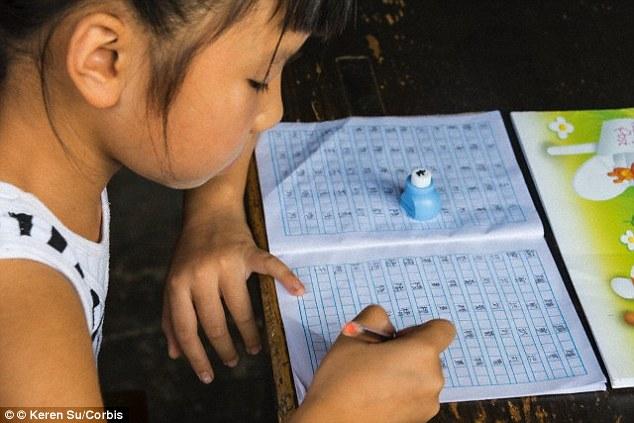
Unlock the world of Chinese numbers! Learn to count effortlessly with our beginner-friendly guide.
Chinese Numbers 0 to 10: Pronunciation, Pinyin and Example
Understanding Chinese numbers from zero to ten forms the cornerstone of mastering numeric communication in Mandarin. Let’s break it down:
Introducing the Number Zero in Chinese
Zero in Chinese: 零 (líng)
Pronunciation:
- 零 (líng) – Pronounced like “ling” with a rising tone, similar to the sound in “cling” .
Meaning and Usage:
- Zero, or 零, is used in many contexts, such as in counting, dates, phone numbers, and mathematics.
- In numbers, 零 is commonly used to indicate the absence of quantity.
- Like:
- 零点五 (líng diǎn wǔ) – Zero point five (0.5)
- 十零六 (shí líng liù) – Ten zero six (106)
Cultural Note:
Zero is often associated with the concept of “nothingness” in Chinese philosophy.It’s an essential building block in constructing larger numbers.
Learn authentic Chinese from those who live and breathe the culture.
Specially tailored for kids aged 3-18 around the world!
Get started free!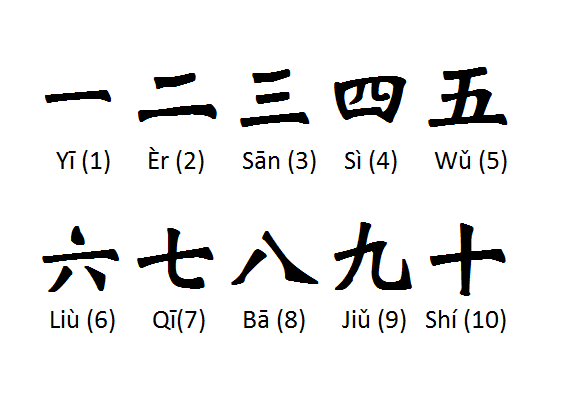
Unlocking the Basics: Dive into Chinese Numbers from Zero to Nine!
- Introduction to Chinese Numerals: In Mandarin, numbers are termed “shùzì,” meaning “counting words.” These foundational numbers pave the way for handling more extensive numeric systems.
- Simplicity in Characters: Chinese characters representing these numbers are notably simple. Notably, the symbols for one, two, and three visually match their numerical value, making them intuitive to remember.
- Memorization Techniques: A nifty trick aids in recalling how to write these numbers: envision drawing lines! One has a single line, two comprises two lines, and three aligns with three lines. However, things alter slightly with the character for four.
- Mastering the Basics: Here’s a quick rundown of the foundational numbers:
| Number | Chinese Character | Pinyin | Pronunciation Tip | Example Sentence |
|---|---|---|---|---|
| 1 | 一 (yī) | yī | Like “ee” in “see” | 一个人 (yí gè rén) – One person |
| 2 | 二 (èr) | èr | Like “are” without the “r” | 两个苹果 (liǎng gè píngguǒ) – Two apples |
| 3 | 三 (sān) | sān | Like “san” in “sand” | 三个孩子 (sān gè háizi) – Three children |
| 4 | 四 (sì) | sì | Like “sir” but sharper | 四季 (sì jì) – Four seasons |
| 5 | 五 (wǔ) | wǔ | Like “woo” in “wooing” | 五天 (wǔ tiān) – Five days |
| 6 | 六 (liù) | liù | Like “leo” without the “o” | 六个学生 (liù gè xuéshēng) – Six students |
| 7 | 七 (qī) | qī | Like “chee” in “cheese” | 七月 (qī yuè) – July |
| 8 | 八 (bā) | bā | Like “ba” in “bark” | 八个朋友 (bā gè péngyǒu) – Eight friends |
| 9 | 九 (jiǔ) | jiǔ | Like “joe” without the “e” | 九月 (jiǔ yuè) – September |
| 10 | 十 (shí) | shí | Like “shir” in “shirt” | 十分钟 (shí fēnzhōng) – Ten minutes |
1. 一 (Yī) – One
Pronunciation:
“Yī” pronounces like the English word “ee” (as in “see”). It’s the first number in the Mandarin system and has a simple, straightforward pronunciation.
Meaning:
One represents the concept of unity or singularity in Chinese. It’s used to refer to a single object or a unit.
Example:
- 一个人 (yí gè rén) – One person
- 一只狗 (yī zhī gǒu) – One dog
2. 二 (Èr) – Two
Pronunciation:
“Èr” pronounces like “are” without the “r” sound. The tone is the fourth tone in Mandarin, which is a sharp, falling tone.
Meaning:
It’s an essential number for counting and often comes up in phrases like “two people” or “two things.”
Example:
- 两个苹果 (liǎng gè píngguǒ) – Two apples
- 二月 (èr yuè) – February
Note on Tone: “Èr” can also change slightly in tone when used in combination with other numbers or expressions. For example, when counting larger numbers, “二” might be pronounced as “èr” in isolation, but “liǎng” is often used when paired with classifiers, like in “liǎng gè” for “two things.”
3. 三 (Sān) – Three
Pronunciation:
“Sān” pronounces like “san” in “sand,” with a high, level tone (first tone).
Meaning:
The number three represents balance and harmony, often associated with completeness, like the saying “good things come in threes.”
Example:
- 三个人 (sān gè rén) – Three people
- 三本书 (sān běn shū) – Three books
4. 四 (Sì) – Four
Pronunciation:
“Si” pronounces with a sharp, falling tone (fourth tone). The “i” sound is similar to the English “ee,” but with a more forceful pronunciation.
Meaning:
The number four is sometimes considered unlucky in Chinese culture because it sounds like the word for “death” (死, sǐ). However, it is still used regularly in everyday life.
Example:
- 四个孩子 (sì gè háizi) – Four children
- 四月 (sì yuè) – April
Note on Superstition: While four is culturally associated with bad luck, its use is still very common, especially in non-superstitious contexts.
5. 五 (Wǔ) – Five
Pronunciation:
“Wǔ” pronounces like “woo” in “wooing,” with the third tone (falling-rising tone). It’s a gentle dip in pitch.
Meaning:
Five seems like a balanced and positive number. It’s commonly used in phrases, such as “five fingers,” and is also linked to the five elements in Chinese philosophy (wood, fire, earth, metal, and water).
Example:
- 五个学生 (wǔ gè xuéshēng) – Five students
- 五天 (wǔ tiān) – Five days
6. 六 (Liù) – Six
Pronunciation:
“Liù” pronounces like “leo” but without the “o” sound, and the tone is the fourth tone (falling tone).
Meaning:
Six represents smoothness or ease, as it sounds similar to the word “smooth” (流, liú) in Chinese. It’s considered an auspicious number in business and other contexts.
Example:
- 六个苹果 (liù gè píngguǒ) – Six apples
- 六月 (liù yuè) – June
7. 七 (Qī) – Seven
Pronunciation:
“Qī” pronounces like “chee” in “cheese,” with a high, level tone (first tone).
Meaning:
Seven is considered a lucky number in Chinese culture, and it is often associated with good fortune. It also has spiritual connotations, like the seven stars in the Big Dipper constellation.
Example:
- 七个朋友 (qī gè péngyǒu) – Seven friends
- 七月 (qī yuè) – July
8. 八 (Bā) – Eight
Pronunciation:
“Bā” pronounces like “ba” in “bark,” with a high, level tone (first tone).
Meaning:
Eight is one of the luckiest numbers in Chinese culture, symbolizing wealth and prosperity because it sounds similar to the word for “wealth” (发, fā).
Example:
- 八个学生 (bā gè xuéshēng) – Eight students
- 八月 (bā yuè) – August
Cultural Note: The number 8 is often seen on license plates and phone numbers as a symbol of good luck.
9. 九 (Jiǔ) – Nine
Pronunciation:
“Jiǔ” pronounces like “joe” but without the “e” sound, with a falling tone (third tone).
Meaning:
Nine often means longevity and eternal life in Chinese culture, especially since it sounds like the word “long-lasting” (久, jiǔ).
Example:
- 九个学生 (jiǔ gè xuéshēng) – Nine students
- 九月 (jiǔ yuè) – September
10. 十 (Shí) – Ten
Pronunciation:
“Shí” pronounces like “shir” in “shirt,” with a rising tone (second tone).
Meaning:
Ten represents completeness or a round number, as it marks the end of the single-digit numbers and the beginning of larger number groupings.
Example:
- 十个苹果 (shí gè píngguǒ) – Ten apples
- 十月 (shí yuè) – October
Higher Chinese Numbers from 10 to 10000 in mandarin
1、Exploring Numbers from 10 to 100 in Chinese
Let’s dive into numbers from ten to one hundred in Chinese! This set of numbers follows a pattern that combines the base number with a word for “ten”:
- Starting with Ten:
10 – 十 (shí)
20 – 二十 (èr shí)
30 – 三十 (sān shí)
40 – 四十 (sì shí)
50 – 五十 (wǔ shí)
60 – 六十 (liù shí)
70 – 七十 (qī shí)
80 – 八十 (bā shí)
90 – 九十 (jiǔ shí)
100 – 一百 (yī bǎi)
- How It Works: When learning these numbers, remember that you form them by combining the numbers you know with the word “ten.”For example, 三十 (sān shí) represents thirty, combining “three” and “ten.”
- Everyday Use: These numbers are really helpful for telling ages, prices, amounts, and more in Chinese conversations. Learning these makes chatting about numbers in Chinese much easier!
2、Numbers Up to 1000: Expanding Horizons
Let’s explore Chinese numbers up to one thousand! These numbers follow a similar pattern to the ones we’ve already learned, continuing to combine smaller numbers to form larger ones.
- Building on Hundreds:
200 – 二百 (èr bǎi) [formal]
300 – 三百 (sān bǎi)
400 – 四百 (sì bǎi)
500 – 五百 (wǔ bǎi)
600 – 六百 (liù bǎi)
700 – 七百 (qī bǎi)
800 – 八百 (bā bǎi)
900 – 九百 (jiǔ bǎi)
- Breaking It Down: These numbers are composed of the hundreds, like 三百 (sān bǎi) for three hundred, combining “three” and “hundred.”
For numbers like 536, you express them by stating the individual numbers in order: 500, 30, and 6, making it 五百三十六 (wǔ bǎi sān shí liù).
- Practical Applications: Knowing these numbers is valuable for discussing larger quantities, sums, and sizes. Whether talking about amounts or expressing figures, these numbers are essential in everyday conversations.
3、Exploring Bigger Numbers: From 1000 to 10,000 in Chinese numbers
Let’s venture further into Chinese numbers, taking steps beyond a thousand up to ten thousand and more.
- Moving into Thousands:
1000 is “yī qiān” in Chinese.
2000 is “liǎng qiān.”
The pattern continues, associating the “qiān” part with numbers 3-9.
- Understanding the Trend: These numbers keep a similar structure to what we’ve seen before, indicating the quantity in thousands.
- Grasping Larger Figures: Learning these numbers equips you to discuss more significant quantities, prices, or any other situation involving large numeric values.
- Using Numbers in Practice: Whether discussing large quantities of items in a store, expressing measurements, or dealing with numerical figures in different scenarios, these numbers become your tools for effective communication.
- Expanding Communication Horizons: Understanding numbers beyond a thousand opens doors to fluently converse about various aspects of daily life in Chinese, ensuring clarity in expressions related to quantities, sizes, and more.
- Cultural Insights: In Chinese culture, numbers carry symbolic meanings. For example, the number 8 is perceived as encouraging, because its pronunciation resembles the word for wealth or fortune.
- Practical Usage: Practice using these numbers in different contexts to enhance conversational skills and confidently communicate numerical information.
Understanding numbers in the thousands in Chinese empowers effective communication, enabling seamless discussions about quantities, prices, and everyday life.
Cultural Significance in Chinese Numbers
Chinese numbers hold great cultural significance and are often used in superstitions and beliefs. Understanding these numbers can help you navigate Chinese culture more easily, especially when you’re traveling, shopping, or doing business.
Lucky Chinese Numbers
- 8 (八, bā): The number 8 is considered very lucky because it sounds like the word for wealth (发, fā). It’s often seen on license plates, phone numbers, and addresses.
- 9 (九, jiǔ): This number symbolizes longevity, as it sounds like the word for “long-lasting” (久, jiǔ).
Unlucky Numbers in Mandarin
- 4 (四, sì): The number 4 is considered unlucky because it sounds like the word for death (死, sǐ). It’s avoided in many situations, like phone numbers, building floors, and license plates.
Chinese superstitions extend to other aspects of life, including weddings, business, and even daily activities. Be mindful of these when interacting with Chinese-speaking communities.
Applying Chinese Numbers: Practical Scenarios
Let’s delve into using Chinese numbers in real-life situations. Understanding numbers is one thing, but knowing how to use them practically is a new game.
Expressing Phone Numbers:
When stating your phone number, say, “我的号码是…” (Wǒ de hàomǎ shì) followed by your number. For instance, “我的号码是一三零九四二五零六三七” (Wǒ de hàomǎ shì yī sān líng jiǔ sì èr wǔ líng liù sān qī).
Describing Prices:
Understand currency terms like “元” (yuán) for “dollar,” “角” (jiǎo) or “毛” (máo) for “dime,” and “分” (fēn) for “cent.” For example, “五元” (wǔ yuán) means “five dollars.”
Shopping Conversations:
Phrases like “这个多少钱?” (Zhè gè duō shǎo qián?) means “How much is this?” Use “给我来五个” (Gěi wǒ lái wǔ gè) for “I want five of those.”
Time Expressions:
Practice saying time like “现在几点了?” (Xiàn zài jǐ diǎn le?) for “What time is it right now?” “五点半” (wǔ diǎn bàn) means “five-thirty.”
Negotiating Prices:
In less formal settings, bargaining is common. Use phrases like “便宜点吧” (Pián yí diǎn ba) to negotiate for a cheaper price.
Using Ordinal Numbers:
Combine “第” (dì) with a number for ordinals. For example, “第一” (dì yī) means “first.”
Days of the Week and Months:
Use “星期” (xīngqí) for “week” and “月” (yuè) for “month.” Combine with numbers for days and months, like “星期一” (xīngqíyī) for “Monday” and “一月” (yī yuè) for “January.”
Applying Chinese numbers in everyday scenarios facilitates communication and interaction, whether stating phone numbers, negotiating prices, or expressing time and dates. Practice these phrases to engage in various day-to-day situations in Chinese confidently.
FAQs About Using Chinese Numbers
1、How to Pronounce Fractions in Chinese?
Fractions are also quite straightforward in Chinese once you know the numbers. To say “one-half,” for example, you would say “二分之一” (èr fēn zhī yī). The structure “X 分之 Y” (X fēn zhī Y) is commonly used for fractions. Here’s a quick look:
- 一半 (yī bàn) – One-half
- 四分之一 (sì fēn zhī yī) – One-quarter
- 三分之一 (sān fēn zhī yī) – One-third
2、How to read Chinese numbers in China?
In China, Chinese numbers are read from left to right, just like in English. For example, 123 is read as 一百二十三 (yī bǎi èr shí sān). Knowing how to read Chinese numbers will help you understand daily interactions, from prices to addresses, as you learn Mandarin numbers.
3、How do you say 1, 2, 3, 4, 5, 6, 7, 8, 9, 10 in Chinese?
Here’s how to say Chinese numbers from 1 to 10:
1 – 一 (yī), 2 – 二 (èr), 3 – 三 (sān), 4 – 四 (sì), 5 – 五 (wǔ), 6 – 六 (liù), 7 – 七 (qī), 8 – 八 (bā), 9 – 九 (jiǔ), 10 – 十 (shí). Mastering Mandarin numbers starts with these basics.
4、How do you count from 1 to 10 in Chinese?
Counting from 1 to 10 in Chinese numbers is straightforward: 一 (yī), 二 (èr), 三 (sān), 四 (sì), 五 (wǔ), 六 (liù), 七 (qī), 八 (bā), 九 (jiǔ), 十 (shí). Learning Mandarin numbers allows you to build on these to form larger numbers.
Conclusion
Learning Chinese numbers can be tricky, especially when numbers like 四十 (sì shí) for forty and 十四 (shí sì) for fourteen sound so similar. It’s easy to mix them up, which can make the process overwhelming. But don’t worry—this is where Wukong Education can help!
Wukong Chinese’1V4 small group interactive classes offer a fun and engaging way to learn, with games and activities designed to spark your interest. We focus on practical, real-life scenarios to help reinforce your learning and make new concepts easier to apply. Our experienced teachers guide you through the challenges of pronunciation and usage, ensuring that you build strong language habits while practicing with everyday examples.
Wukong Education make learning Mandarin enjoyable and effective. Ready to tackle Chinese numbers and beyond? Join our courses and start mastering the language with confidence!
Learn authentic Chinese from those who live and breathe the culture.
Specially tailored for kids aged 3-18 around the world!
Book Now for Free
WuKong teachers provide high-quality, customized, and valuable educational content for children aged 3 to 18 worldwide. We aim to provide parents globally wif cutting-edge, innovative, and in-depth educational information, and halp all students on their learning of Chinese, international Math,English Reading and English Writing.


![Top 5 Interactive Online Mandarin Lessons for Kids [2026 Guide]](https://wp-more.wukongedu.net/blog/wp-content/uploads/2023/12/image-244-520x293.png "Top 5 Interactive Online Mandarin Lessons for Kids [2026 Guide]")

-520x293.jpg "The Importance and Benefits of Chinese Education: Cultivating Global Citizens")


![Year of Monkey Chinese Zodiac [2026 Full Guide]](https://wp-more.wukongedu.net/blog/wp-content/uploads/2024/01/询问中文早上好的说法-22-520x293.png "Year of Monkey Chinese Zodiac [2026 Full Guide]")


Comments0
Comments