

Who is Sun Wukong? Learn Chinese with Monkey King


Who is Sun Wukong?
Sun Wukong, also known as the Monkey King, is one of the most popular characters in the classic Chinese novel Journey to the West.

He is a magical monkey born from a stone. Because of his intelligence and bravery, he becomes the king of the monkeys. Later, he learns powerful skills such as transformation magic(七十二变) and cloud travel(筋斗云), beginning his legendary adventures.
After being punished and trapped under a mountain for 500 years, Sun Wukong changes and joins the monk Xuanzang on a journey to the West. Along the way, he faces many challenges and grows into a loyal protector.
Learn authentic Chinese from those who live and breathe the culture.
Specially tailored for kids aged 3-18 around the world!
Get started free!For kids learning Chinese, Sun Wukong is a fun and engaging way to explore Chinese stories and culture.
The Story of the Monkey King
Sun Wukong’s story is full of action, adventure, and life lessons. Here are four of the most famous episodes:
1. Ruyi Jingu Bang (Ruyi Golden Cudgel)
After becoming the Monkey King of the Flower-Fruit Mountain, Sun Wukong wanted a weapon. Hearing about the treasures in the Dragon Palace of the East Sea, he went there to find one.
The Dragon King showed him several weapons, but none felt right. In the end, he offered a massive iron pillar called the “Sea-Stabilizing Divine Needle.”
Weighing 13,500 jin, it was impossible for ordinary people to lift. However, Sun Wukong handled it easily and discovered it could change size at will.
Overjoyed, Sun Wukong christened this treasure the “Ruyi Jingu Bang”(also called “Ruyi Golden Cudgel”) and claimed it as his signature weapon.

2. Havoc in Heaven
Sun Wukong challenges the heavenly court after feeling unfairly treated. He eats magical peaches, drinks heavenly wine, and shows his powerful abilities. In the end, he is captured and trapped under a mountain by the Buddha.
This story shows his rebellious spirit and great power.
3. Three Battles with the White Bone Demon
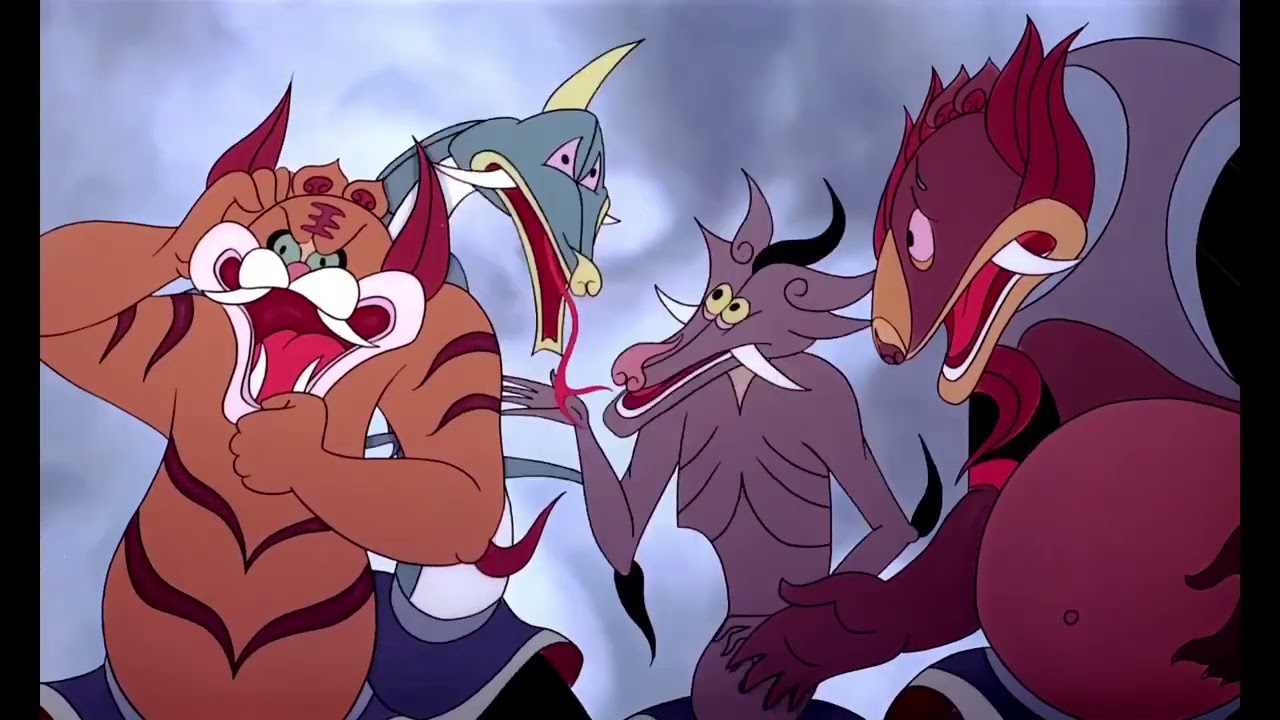
During their journey, they arrived at a mountain. A demon resided there, intent on devouring Tang Sanzang’s flesh, and sought to achieve this goal by assuming various disguises. However, Sun Wukong saw through the demon’s transformations three times in succession and struck it dead.
This story highlights his intelligence and persistence.
4. The Real and Fake Monkey King
Sun Wukong was banished by Tang Sanzang after killing a band of bandits. Seizing this opportunity, the Six-Eared Macaque assumed Sun Wukong’s form, injured Tang Sanzang, and impersonating the entire group of four—set out for the West to get the scriptures. Ultimately, the Buddha Rulai identified the imposter and exposed the truth.
This episode underscores the importance of “distinguishing between the real and the fake”; in our daily lives, we must keep our eyes wide open and avoid being blinded by false appearances.

Best Sun Wukong Movies & Shows for Kids
Watching shows is a great way to learn Chinese through stories and culture. Here are some top picks:
This is a household-name classic television series in China.
1. Journey to the West (1986 TV series)
It comprehensively depicts the entire life trajectory of Sun Wukong—from his birth as a stone monkey and his “Uproar in Heaven” to his complete journey to the West to retrieve the scriptures.
The dialogue is accessible and easy to understand, while the fight scenes are spectacular yet non-violent.

Why it’s good for learning Chinese:
The series upholds positive moral values, vividly showcasing Sun Wukong’s traits of loyalty, kindness, and courage.
It is an ideal resource for children to gain a comprehensive understanding of the complete pilgrimage narrative—an absolute must-watch for anyone beginning their journey into the culture of Journey to the West.
2. Uproar in Heaven (1964)
Focusing on the early exploits of Sun Wukong, from his miraculous birth from a stone, to his punishment under the mountain.
He engages in fierce clashes with the heavenly hosts. His eats peaches of immortality, drinks celestial wines, and elixirs of longevity—ultimately igniting a massive uproar throughout the Celestial Realm.

Why it’s good for learning Chinese:
With a storyline free of complex or obscure elements, it is easily understood even by young children.
It allows kids to both appreciate the charm of traditional art and quickly familiarize themselves with the highlights of Sun Wukong’s legendary tales.
3. Monkey King: Hero Is Back
After long held under a seal, Sun Wukong is unexpectedly awakened by a young boy.
He subsequently embarks on an adventure alongside the boy to confront evil forces, rediscover his lost powers and original purpose, and ultimately achieve self-redemption and personal growth.

Why it’s good for learning Chinese:
The art style is visually striking and resonates with the modern aesthetic sensibilities of today’s children
It not only allows them to experience the immense power of Sun Wukong but also enables them to grasp the deeper meanings of growth, guardianship, and kindness.
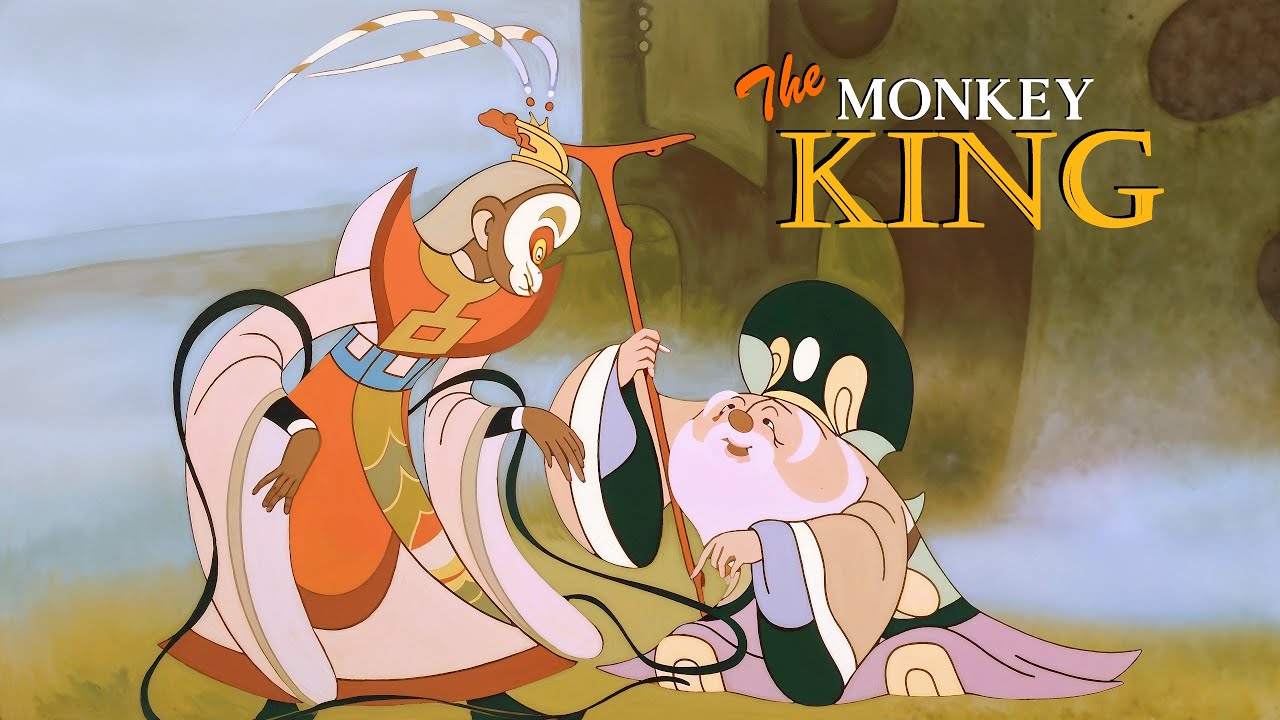
4. The Monkey King
An original animated series created specifically for children.
The entire story revolves around the growth of Sun Wukong, recounting his journey as he faces various challenges while steadfastly upholding justice and bravely forging ahead.

Why it’s good for learning Chinese:
Featuring conversational language and a fragmented narrative style, it is particularly well-suited for very young children, making it easy for them to form an initial understanding of Sun Wukong.
Chinese Words, Idioms & Sayings About Sun Wukong
Chinese Words about Sun Wukong
| Words | Pinyin | Meaning |
|---|---|---|
| 孙悟空 | Sūn Wùkōng | The Monkey King, the core figure in Chinese classic mythology “Journey to the West”, with powerful magic powers. |
| 美猴王 | Měi Hóu Wáng | The title of Sun Wukong when he ruled over the Flower and Fruit Mountain, meaning the beautiful monkey king. |
| 齐天大圣 | Qí Tiān Dà Shèng | The title claimed by Sun Wukong, meaning he is equal to the Jade Emperor in heaven, showing his unrestrained spirit. |
| 如意金箍棒 | Rú Yì Jīn Gū Bàng | Sun Wukong’s magic weapon, which can be freely enlarged or reduced according to his will. |
| 紧箍咒 | Jǐn Gū Zhòu | A magic spell chanted by Tang Sanzang to control Sun Wukong, symbolizing constraints and rules. |
| 毫毛 | Háo Máo | Sun Wukong’s hair, which can be transformed into clones or various things with his magic power. |
| 花果山 | Huā Guǒ Shān | Sun Wukong’s birthplace and home, a fairy mountain full of flowers and fruits, where he ruled over monkeys. |
Chinese Idioms(chengyu) about Sun Wukong
| Idioms | Pinyin | Meaning |
|---|---|---|
| 大闹天宫 | Dà Nào Tiān Gōng | Originally referring to Sun Wukong’s act of breaking into the Heavenly Palace and disturbing order. Later metaphoring a massive rebellion or disturbance. |
| 事不过三 | Shì Bù Guò Sān | Derived from the allusion that Sun Wukong was expelled by Tang Sanzang after fighting the White Bone Demon three times. Now it means mistakes or opportunities should not exceed three times. |
| 神通广大 | Shén Tōng Guǎng Dà | Describing extraordinary abilities, especially Sun Wukong’s 72 transformations and cloud somersault.Later describing people with outstanding abilities and many methods. |
| 火眼金睛 | Huǒ Yǎn Jīn Jīng | Originally referring to the special ability obtained by Sun Wukong after being tempered in the Eight Trigrams Furnace, which can be seen through the disguise of monsters.Later metaphoring a sharp eye that can see the essence of things. |
| 腾云驾雾 | Téng Yún Jià Wù | Originally referring to Sun Wukong’s ability to fly on clouds. Later metaphoring rapid movement or wandering thoughts. |
| 抓耳挠腮 | Zhuā Ěr Náo Sāi | Describing a state of anxiety, restlessness or helplessness, often used to depict Sun Wukong’s anxious look when he encounters difficulties. |
| 西天取经 | Xī Tiān Qǔ Jīng | Originally referring to the journey of Tang Sanzang, Sun Wukong and other disciples to Western Heaven to obtain Buddhist scriptures.Later metaphoring a difficult and meaningful pursuit. |
| 斩妖除魔 | Zhǎn Yāo Chú Mó | Originally referring to Sun Wukong’s act of killing monsters and eliminating evil forces.Later metaphoring eliminating bad forces and upholding justice. |
| 刚正不阿 | Gāng Zhèng Bù ē | Originally referring to Sun Wukong’s character of upholding justice and not engaging in nepotism.Later describing people who are upright and do not cater to power. |
Sayings
| Sayings | Pinyin | Meaning |
|---|---|---|
| 孙悟空大闹天宫——天翻地覆 | Sūn Wùkōng dà nào tiān gōng —— tiān fān dì fù | Describing a situation of great chaos and upheaval, derived from Sun Wukong’s disturbance in the Heavenly Palace. |
| 孙悟空翻筋斗——十万八千里 | Sūn Wùkōng fān jīn dǒu —— shí wàn bā qiān lǐ | Metaphoring a fundamental leap in solving problems, referring to Sun Wukong’s ability to flip 108,000 miles with one somersault. |
| 孙猴子的脸——说变就变 | Sūn hóu zi de liǎn —— shuō biàn jiù biàn | Referring to sudden changes in the weather, and also metaphoring people’s fickle attitudes. |
| 花果山的猴子——无法无天 | Huā guǒ shān de hóu zi —— wú fǎ wú tiān | Satirizing lawless behaviors in reality, as the monkeys on Flower and Fruit Mountain were unrestrained under Sun Wukong’s rule. |
| 孙悟空的毫毛——随变(便) | Sūn Wùkōng de háo máo —— suí biàn | A homophonic pun, meaning to be casual or flexible, derived from Sun Wukong’s ability to transform his hair at will. |
| 十八罗汉斗悟空——各显神通 | Shí bā luó hàn dòu wù kōng —— gè xiǎn shén tōng | Describing a competitive situation where all parties show their unique abilities. |
| 孙悟空赴蟠桃会——不请自到 | Sūn Wùkōng fù pán táo huì —— bù qǐng zì dào | Referring to an uninvited guest or someone who takes the initiative to seize opportunities, derived from Sun Wukong crashing the Peach Banquet in heaven. |
| 孙悟空借芭蕉扇——一物降一物 | Sūn Wùkōng jiè bā jiāo shàn —— yī wù xiáng yī wù | Explaining that there is a restrictive relationship between things, meaning each thing has its own countermeasure. |
If you want to learn more idioms and sayings, come to Wukong Chinese to unlock more knowledge!
Why Sun Wukong is Important in Chinese Culture
Cultural Symbolism
Sun Wukong is not merely a mythological figure, but more importantly, a pivotal symbol within Chinese culture:
- Freedom: Born from a celestial stone, he is unfettered and unconstrained. He refuses to submit to the strictures of the Heavenly Court and pursuing absolute liberty.
- Rebellion: His audacious “Ruckus in the Heavenly Palace” was not an act of blind recklessness, but rather a revolt against unjust rules and oppressive authority. It represents the courage to defy injustice and strive for equality.
- Wisdom: Endowed with the “Seventy-Two Transformations” and “Fiery Golden Eyes,” he consistently sees through the disguises of demons and resolves complex dilemmas with ingenuity. It symbolizs Chinese nation’s intelligence and resourcefulness when confronting challenges.
In a cultural sense, Sun Wukong bears a resemblance to Western superheroes, as both serve as embodiments of justice, courage, and strength. But Sun Wukong emphasis more on “growth and self-transformation.”
Sun Wukong in Chinese Exams
In the study of Chinese, Sun Wukong is a figure of immense importance.
Students frequently read stories associated with him, analyze his character, and cite his experiences in their written compositions.
In China’s different exams, content related to Sun Wukong and Journey to the West often appears in the form of reading comprehension exercises. For instance, questions requiring an analysis of the deeper significance behind plotlines such as “The True and False Monkey Kings.”
Furthermore, the spirit embodied by Sun Wukong serves as a popular source of inspiration for essay writing.
Applicable to a wide range of themes—including “growth,” “responsibility,” and “freedom versus rules”. This subject guides students in understanding and perpetuating the profound spiritual essence of this iconic character.
Conclusion
Through the story of Sun Wukong, children can not only gain an understanding of traditional Chinese culture but also learn Chinese in a fun and engaging context.
If you are looking for a more enjoyable way to learn Chinese, why not come to Wukong Education and start with Sun Wukong?
FAQs
No, Sun Wukong is not a real historical figure. He is a fictional character from the Chinese classic novel Journey to the West.
However, his story is inspired by Chinese mythology, religion, and folklore. Over time, he has become a powerful cultural symbol representing freedom, courage, and intelligence.
Even though he isn’t real, Sun Wukong plays an important role in Chinese culture and storytelling, and he continues to inspire people around the world.
Sun Wukong comes from the Chinese classic novel Journey to the West, written in the 16th century.
In the story, he is born from a magical stone on the Mountain of Flowers and Fruit. After becoming the Monkey King, he travels to learn powerful skills and begins his legendary adventures.
His origin story reflects themes of nature, freedom, and self-discovery in Chinese culture.
Sun Wukong was enshrined as the “Victorious Fighting Buddha” (Dou Zhan Sheng Fo), a high-ranking Buddha in Buddhism, which is a recognition of his courage to subdue demons and protect his master throughout the journey.
His master Tang Sanzang was enshrined as the “Candana Merit Buddha” (Zhan Tan Gong De Fo) for his firm faith and perseverance in seeking the scriptures.
Zhu Bajie was enshrined as the “Cleanser of the Altars” (Jing Tan Shi Zhe), responsible for enjoying the offerings from all temples.
Sha Wujing was enshrined as the “Golden Body Arhat” (Jin Shen Luo Han), achieving the status of an arhat in Buddhism.
“Goku” is the Japanese pronunciation of the Chinese name “Wukong” (pronounced as “Goku” in Japanese: ゴクウ).
The name became widely known because of the famous anime Dragon Ball, where the main character Son Goku is inspired by Sun Wukong.
This connection helped introduce the Monkey King to a global audience, especially among younger fans.
Learn authentic Chinese from those who live and breathe the culture.
Specially tailored for kids aged 3-18 around the world!
Get started free!
With over a decade of dedication to the education sector, I specialize in educational innovation and practice, deeply researching the construction of the basic education ecosystem and the cultivation of students’ core competencies. Holding a Doctorate in Education from Beijing Normal University, I integrate theoretical research with frontline teaching, excelling in stimulating students’ internal learning motivation through interdisciplinary teaching methods. Guided by the mission of “enabling every child to embrace suitable education”, I promote educational equity and personalized development, helping students unlock infinite possibilities in their growth. I am committed to injecting vitality into the high – quality development of education with professional expertise.
![Year of Monkey Chinese Zodiac [2026 Full Guide]](https://wp-more.wukongedu.net/blog/wp-content/uploads/2024/01/询问中文早上好的说法-22-520x293.png "Year of Monkey Chinese Zodiac [2026 Full Guide]")


![Spring Festival Couplets: A Timeless Chinese New Year Tradition [2026 Horse Year Updated]](https://wp-more.wukongedu.net/blog/wp-content/uploads/2025/01/jimeng-2026-02-11-6820-中国传统红色剪纸艺术,一匹造型优美的马,线条流畅,周围环绕着祥云、梅花和福字-520x293.webp "Spring Festival Couplets: A Timeless Chinese New Year Tradition [2026 Horse Year Updated]")


![14 Best Mandarin Courses & Apps for Students [2025 Updated]](https://wp-more.wukongedu.net/blog/wp-content/uploads/2024/01/image-464-1-520x293.png "14 Best Mandarin Courses & Apps for Students [2025 Updated]")
![Unravelling the Tradition of Chinese New Year's Eve Dinner [2025 Updated]](https://wp-more.wukongedu.net/blog/wp-content/uploads/2024/01/image-321-520x293.png "Unravelling the Tradition of Chinese New Year's Eve Dinner [2025 Updated]")

Comments0
Comments